Lok Sabha resumes on Budget Session Day 3 as opposition moves no-confidence motion against Speaker Om Birla while MPs clash over LPG crisis, airfares and energy issues
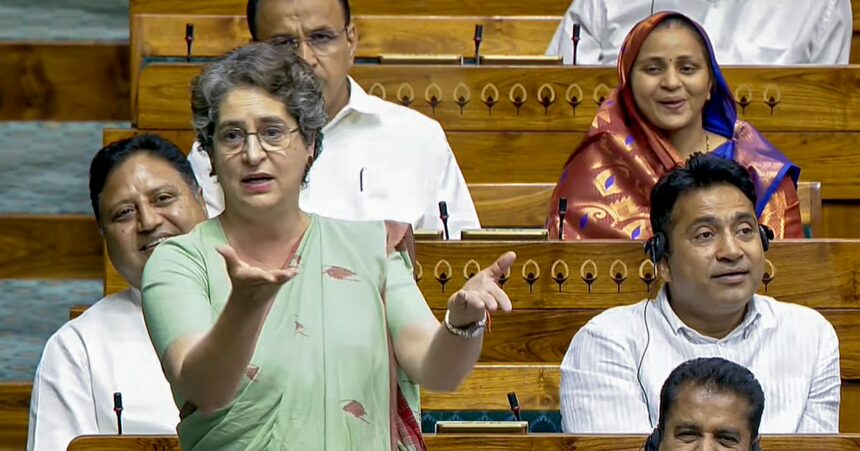
The third day of the second phase of Parliament’s Budget Session witnessed dramatic scenes in the Lok Sabha as proceedings resumed amid loud protests from opposition members. The House was briefly adjourned during Question Hour due to sloganeering and disruptions before normal proceedings resumed. The key development of the day was the start of the debate on the no-confidence motion moved by opposition parties against Lok Sabha Speaker Om Birla. The motion has sparked a major political confrontation between the ruling coalition and the opposition, with both sides exchanging sharp accusations inside the House.
The motion was formally moved on Tuesday after more than fifty Members of Parliament extended support to it, allowing it to be introduced and taken up for discussion in the Lok Sabha. According to parliamentary rules, a no-confidence motion against the Speaker requires written notice and must be supported by at least fifty members before it can be debated in the House. Once admitted, the House allocates time for discussion before the matter is put to vote. Nearly ten hours have been allotted for the debate, of which around seven hours were already used on the previous day of proceedings.
Opening the debate, Congress MP Gaurav Gogoi accused the Speaker of bias in conducting the proceedings of the House. He claimed that Leader of the Opposition Rahul Gandhi was interrupted repeatedly during the Budget Session and was shown the parliamentary rule book multiple times while attempting to speak. According to Gogoi, such interruptions reflected a pattern that raised concerns among opposition parties about fairness in parliamentary functioning. Opposition leaders argued that the Speaker should ensure equal opportunity for all members to present their views without frequent interruptions.
The government strongly rejected these allegations and defended the Speaker’s conduct. Parliamentary Affairs Minister Kiren Rijiju criticized the opposition’s claims and questioned Rahul Gandhi’s role in parliamentary debates. Rijiju said that the Leader of the Opposition had spoken only twice during the fifteenth Lok Sabha and often left the House after expressing his views without listening to other members. He also accused Gandhi of travelling abroad frequently during parliamentary sessions and later claiming that he was not allowed to speak in the House.
During the debate, several members from the ruling Bharatiya Janata Party spoke in defence of the Speaker and the functioning of the House. BJP MP Manan Kumar Mishra accused Rahul Gandhi of deliberately attempting to disrupt parliamentary proceedings. He said that Gandhi frequently introduced motions but avoided participating fully in discussions, which, according to him, resulted in unnecessary disruption and wasted parliamentary time.
Another BJP leader, Ravi Shankar Prasad, addressed the House and referred to the parliamentary reference book “Practice and Procedure of Parliament” by Kaul and Shakdher while speaking about the constitutional role of the Speaker. He emphasized that the Speaker holds a critical position in parliamentary democracy and is entrusted with maintaining order and fairness in House proceedings. Prasad also recalled that when the Constitution granted powers to the Speaker, Dr. B. R. Ambedkar had emphasized the importance of the Speaker’s accountability to the House.
The day’s proceedings were also marked by heated exchanges over economic issues, including rising LPG prices, airfares and the broader energy situation affecting the country. Several opposition MPs raised concerns about the impact of rising fuel prices and the alleged shortage of commercial LPG cylinders in different parts of the country.
Congress MP K. C. Venugopal alleged that gas agencies had been instructed not to supply commercial LPG cylinders, claiming that the situation was worsening day by day. He accused the government of misleading the public about the severity of the crisis. Congress leader Jebi Mather also raised the issue of rising airline fares, particularly on routes connecting India with Gulf countries. She demanded stronger regulation of ticket prices and criticized the government for failing to anticipate the emerging LPG shortage.
Trinamool Congress MP Saugata Roy also criticised the central government over rising LPG prices and increasing airline fares. He argued that the government should have taken timely steps to provide subsidies and protect consumers from the sudden rise in costs. Roy further stated that his party was collecting signatures to support an impeachment motion against Gyanesh Kumar and suggested that the proposal might be submitted within the next few days.
Shiv Sena (UBT) MP Priyanka Chaturvedi raised concerns about the impact of the energy crisis on industries that rely heavily on gas. She said that several sectors were already facing difficulties due to rising costs and limited fuel availability. Chaturvedi also referred to reports suggesting that crematoriums in Pune had temporarily shut down due to gas shortages.
Outside the Lok Sabha chamber, opposition leaders staged protests within the Parliament complex. Congress leader Priyanka Gandhi joined party members demonstrating against the alleged shortage of commercial LPG cylinders and rising fuel prices. Opposition parties accused the government of failing to assess the economic impact of the ongoing conflict in West Asia on India’s energy supply.
Meanwhile, Union Minister Ashwini Vaishnaw made a separate statement highlighting India’s technological progress. He informed the House that India currently ranks third globally in the field of artificial intelligence and credited the government’s initiatives for promoting Indian languages and digital innovation.
Earlier in the day, both the Lok Sabha and the Rajya Sabha began their proceedings at eleven in the morning. Soon after the Lok Sabha convened, opposition members began raising slogans, leading to disruptions during the Question Hour. The presiding officer repeatedly urged members to maintain decorum and allow the House to function smoothly.
According to parliamentary procedures, Article 94(c) of the Constitution allows the Lok Sabha to remove the Speaker through a resolution passed by a majority of the House. The motion must be submitted with at least fourteen days’ notice and requires a simple majority to be approved. During the debate and voting process, the Speaker does not preside over the House and instead another member, usually the Deputy Speaker, conducts the proceedings.
Despite the intense debate, political observers believe the motion is unlikely to succeed. The ruling National Democratic Alliance currently enjoys the support of more than 290 members in the Lok Sabha, making it difficult for the opposition to secure the majority required to remove the Speaker.
The Budget Session continues to remain politically charged, with both the government and opposition preparing for further debates on economic issues, energy shortages and legislative proposals. The coming days of the session are expected to witness continued confrontations as parties attempt to highlight their political positions ahead of upcoming policy discussions.