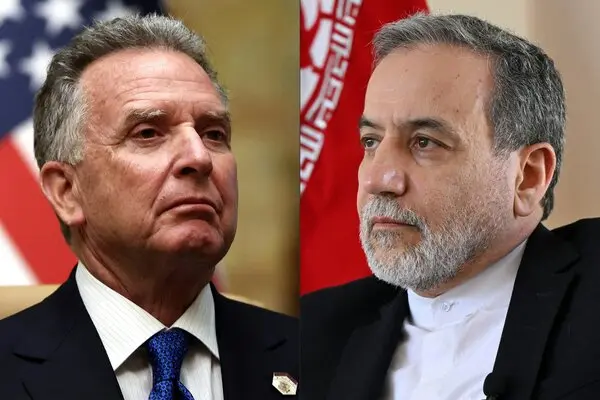
White House special envoy Steve Witkoff has reversed his stance on the Iran nuclear deal, emphasizing that any agreement must ensure the complete elimination of Iran’s nuclear enrichment and weaponization programs. Initially, Steve Witkoff had suggested that Washington could accept a cap on Iran’s enrichment, aligning with Israel’s position. However, in a statement released on Tuesday, Steve Witkoff insisted that any deal with Iran would only be successful if it directly addressed and eliminated these nuclear capabilities.
Change in Strategy
Steve Witkoff’s latest statement marks a significant shift from his prior stance. Just a day before, he had hinted that the U.S. might be willing to accept restrictions on Iran’s nuclear activities without dismantling its facilities entirely. In contrast, he now insists that Iran must completely halt its nuclear enrichment and weaponization efforts. According to Steve Witkoff, the deal must set a framework for peace, stability, and prosperity in the Middle East, which can only be achieved by dismantling Iran’s nuclear program. He stressed that creating a tough and fair deal that would last was crucial and a request made by President Trump himself.
Verification and Future Talks
While Steve Witkoff had previously discussed a more lenient approach that would cap uranium enrichment at a lower level, the current emphasis on total elimination reflects growing concerns about Iran’s nuclear ambitions. As part of the next round of negotiations, Steve Witkoff confirmed that the talks would focus on verifying Iran’s nuclear enrichment and weaponization programs. This would include the verification of missile systems and other related technology.
Iran has been enriching uranium to 60%, a significant step toward weapons-grade levels, and has been enhancing its ballistic missile systems. In his statement, Steve Witkoff made it clear that Iran’s enrichment should not exceed 3.67%, a level deemed sufficient for civilian energy use. The U.S. administration remains firm on the need for Iran to fully dismantle its nuclear infrastructure.
The future of these negotiations, which are expected to take place in Muscat, hinges on Iran’s willingness to comply with stringent U.S. demands. As tensions in the region remain high, Steve Witkoff’s latest remarks suggest that the U.S. aims for a tougher stance, despite initial indications of flexibility in the negotiations.