Barcelona woman ends life through euthanasia after court battle with father, highlighting trauma, legal rights and debate over assisted dying laws.
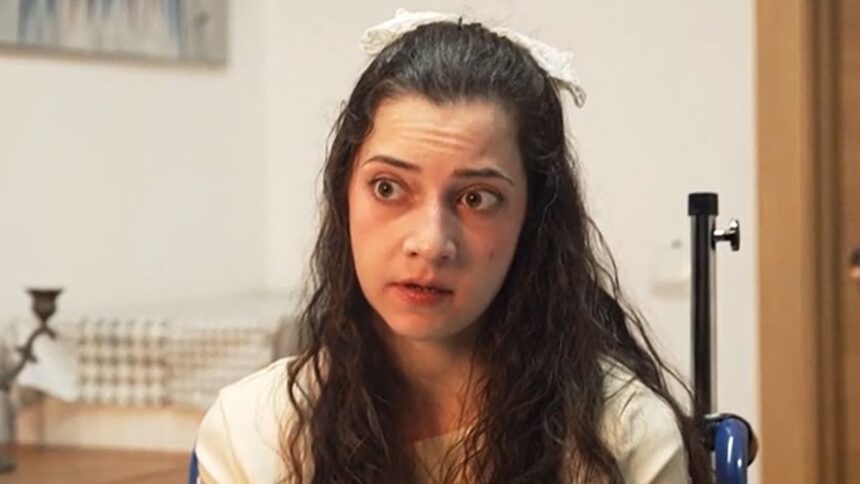
A deeply emotional and complex case from Barcelona has brought global attention to the debate around euthanasia, personal autonomy, and legal rights. A 25-year-old woman, Noelia Castillo, ended her life through legally approved euthanasia after a prolonged legal struggle involving her family, medical authorities, and the judicial system.
Her case has sparked intense discussion not only in Spain but also internationally, raising critical questions about the right to die, mental health considerations, and the ethical boundaries of assisted death.
Noelia’s journey to euthanasia was marked by severe trauma, physical suffering, and a legal battle that lasted over a year, making it one of the most closely watched cases under Spain’s euthanasia law.
Trauma, Injury and a Life-Altering Incident
Noelia Castillo’s life changed dramatically following a traumatic incident in 2022. According to reports, she was sexually assaulted by multiple individuals at a care facility where she had been residing.
The assault had a devastating impact on her mental health, compounding existing challenges she had faced since childhood. Having grown up in a difficult family environment, she had been placed in a foster care system at a young age, where she later alleged repeated instances of abuse.
Following the 2022 incident, Noelia attempted to take her own life by jumping from the fifth floor of a building. Although she survived, the fall resulted in severe spinal injuries that left her paralysed from the waist down.
From that point onward, she became wheelchair-bound and reportedly endured constant physical pain along with ongoing psychological trauma. Medical assessments indicated that her condition was unlikely to improve significantly, leaving her in a state of chronic suffering.
Her case illustrates the intersection of physical disability and mental health challenges, highlighting the complexities involved in assessing quality of life and personal autonomy.
Legal Battle Over Right to Die
In 2024, Noelia applied for euthanasia under Spain’s assisted dying law, which came into effect in 2021. Her request was initially approved by regional authorities in Catalonia after medical evaluations confirmed that she met the legal criteria.
However, the process took a dramatic turn when her father opposed the decision and filed a legal challenge. Supported by a conservative advocacy group, he argued that Noelia was not in a suitable mental state to make such a decision.
This objection led to a prolonged legal battle that moved through multiple courts. The central question was whether Noelia had the mental capacity to decide to end her life and whether her request was truly voluntary.
Medical experts played a crucial role in the proceedings. Independent evaluations concluded that she was fully aware of her decision and not under external pressure. Doctors also confirmed that she was experiencing persistent and severe suffering with no realistic prospect of recovery.
The case eventually reached higher judicial forums, where broader principles of personal autonomy and human rights were examined. The courts ultimately upheld her right to make decisions about her own life, clearing the way for euthanasia to proceed.
This ruling reinforced the legal framework established under Spain’s euthanasia law, emphasising the importance of individual choice in cases of prolonged suffering.
Ethical Debate and Public Reaction
Noelia’s case has reignited the ethical debate surrounding euthanasia. Supporters argue that individuals suffering from unbearable conditions should have the right to choose a dignified end to their lives.
They view the decision as an expression of personal autonomy, particularly in cases where medical intervention cannot alleviate suffering. For many, Noelia’s case represents a compassionate application of the law.
Critics, however, raise concerns about the potential for misuse and the difficulty of assessing mental health in such cases. They argue that individuals experiencing trauma or depression may not be in a position to make irreversible decisions.
The involvement of her father in opposing the decision highlights the emotional and moral complexities faced by families. While he sought to protect his daughter, the courts ultimately prioritised her autonomy over familial objections.
Public opinion in Spain remains divided, with ongoing discussions about how to balance individual rights with safeguards against potential abuse.
Spain’s Euthanasia Law and Process
Spain legalised euthanasia in 2021, becoming one of the few countries to allow assisted dying under strict conditions. The law permits euthanasia for adults suffering from serious and incurable illnesses or chronic conditions that cause unbearable suffering.
Applicants must demonstrate that they are fully conscious and capable of making decisions. The process involves multiple safeguards, including independent medical evaluations and review by a regional committee.
In Noelia’s case, all procedural requirements were met, including medical assessments and administrative approvals. The delay in her case was primarily due to the legal challenge filed by her father.
The euthanasia procedure itself involves carefully controlled medical steps. Typically, medications are administered to induce deep unconsciousness, followed by substances that stop vital functions, ensuring a painless process.
According to official data, over 1,100 people in Spain have opted for euthanasia since the law came into effect. However, cases involving prolonged legal disputes remain relatively rare, making Noelia’s case particularly significant.
Final Moments and Personal Choice
In her final days, Noelia reportedly reaffirmed her decision, stating that it was made voluntarily and after careful consideration. She expressed a desire to maintain dignity and avoid prolonged suffering.
She chose to be alone during her final moments, reflecting a deeply personal approach to her decision. Her case underscores the importance of respecting individual choices, even in emotionally challenging circumstances.
Her story has left a lasting impact, prompting discussions about the role of law, medicine, and society in addressing end-of-life decisions.
The euthanasia case of Noelia Castillo represents a complex intersection of trauma, medical ethics, and legal rights. Her journey from suffering to a legally sanctioned end highlights the challenges of balancing compassion, autonomy, and protection.
As debates around euthanasia continue worldwide, her case serves as a powerful example of the human stories behind legal frameworks. It raises important questions about how societies define dignity, suffering, and the right to choose one’s own path.