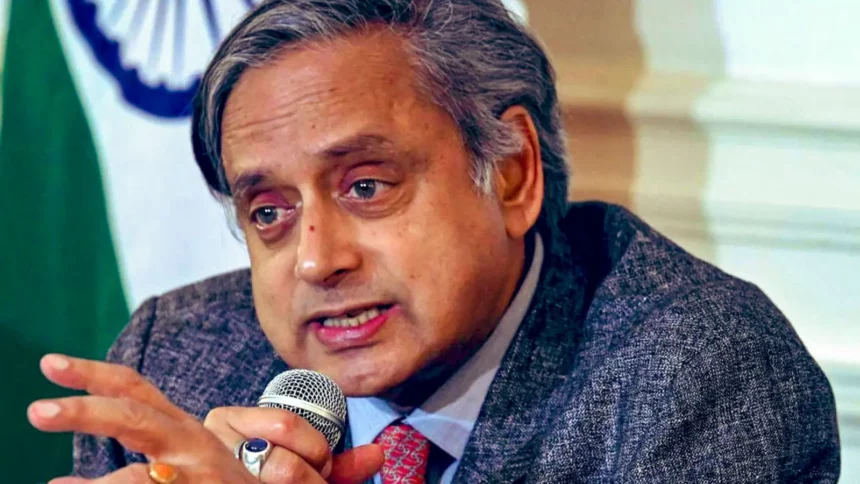
India’s tourism sector, widely recognized for its rich cultural heritage, scenic landscapes, and spiritual diversity, faces a pressing challenge: ensuring safety and accessibility for all travelers, particularly women. Congress MP Shashi Tharoor has highlighted the urgent need for reforms to address structural gaps and safety concerns in the country’s tourism ecosystem, stressing that India’s image as a safe destination for women requires immediate attention. Speaking at the Skal India National Congress 2025 event in Mumbai, Shashi Tharoor drew attention to the paradox of a booming tourism sector grappling with inadequate infrastructure and public safety measures. According to him, India cannot achieve its full tourism potential unless systemic changes are implemented to guarantee safety, improve infrastructure, and promote inclusive growth in the sector. With domestic and international tourism poised for rapid expansion in the coming decade, the imperative to bridge these gaps has never been greater.
Addressing Women’s Safety and Changing Perceptions
Shashi Tharoor emphasized that the perception of India as unsafe for women travelers has become a significant deterrent to tourism growth. International tourists often cite safety concerns as a key factor when choosing destinations, and India’s image suffers due to reports of harassment, limited law enforcement presence in tourist areas, and inadequate emergency response mechanisms. “Our nation has an image that India is not safe for women. We need to change this image. We have to do something about it. More women police officers must be deployed in tourist areas,” Shashi Tharoor stated while addressing reporters. He argued that proactive measures, such as increasing the number of female law enforcement personnel, ensuring adequate street lighting, and implementing real-time safety monitoring, could substantially improve both perception and reality.
Shashi Tharoor also pointed out that women’s safety is intrinsically linked to broader social and infrastructural factors. Effective transportation, well-lit public spaces, accessible accommodations, and clear emergency protocols all play a vital role in fostering a safe environment. According to him, policymakers and industry stakeholders must prioritize reforms that create a holistic safety framework for women tourists, aligning with global best practices. This, he argued, would not only enhance India’s international image but also promote domestic tourism, as women travelers increasingly seek destinations where safety and comfort are guaranteed. The Congress MP stressed that ensuring security for women is not just a social responsibility but also an economic imperative, as perceptions of danger can deter millions of potential travelers, impacting employment and revenue generation in the tourism and hospitality sectors.
Bridging Infrastructure Gaps and Enhancing Tourism Experience
In addition to safety, Shashi Tharoor highlighted the pressing need to address the disparity in India’s tourism infrastructure. He noted that while the country has several high-end five-star hotels and luxury resorts catering to affluent tourists, there is a lack of quality accommodations for mid-range travelers. “We either have high-end 5-star hotels or extremely poor quality; there is nothing in between. We need to construct a lot,” he remarked. The absence of reliable, comfortable, and affordable lodging options across key tourist destinations limits the appeal of India as a destination for diverse traveler demographics. Shashi Tharoor urged the government and private sector to invest in mid-tier hotels, eco-friendly lodges, and community-based tourism initiatives that can provide a balanced range of choices for tourists.
Shashi Tharoor’s call for infrastructure reform is reinforced by the remarkable growth projections for India’s tourism sector. According to a report by IDBI Capital, the industry is expected to reach nearly $60 billion by 2028, driven primarily by domestic travel. Domestic tourist numbers are projected to rise from 2.5 billion in 2024 to 5.2 billion by 2030, reflecting a compound annual growth rate of 13.4%. Moreover, total spending by domestic and international travelers is expected to almost triple to Rs 33.95 trillion by 2034, indicating immense economic potential. Improved air, road, and rail connectivity is identified as a key factor facilitating this growth, along with increased corporate travel and expansion of meetings, incentives, conferences, and exhibitions (MICE) activities, according to the World Travel & Tourism Council (WTTC).
Shashi Tharoor also highlighted the need for modernizing and expanding tourism-related infrastructure to ensure that rapid growth is sustainable. Investment in better transport links, sanitation, digital information systems, and healthcare facilities at tourist hubs will enhance visitor experience while safeguarding public health and safety. He stressed that a coordinated approach involving central and state governments, private investors, and local communities is essential to create a cohesive ecosystem that can accommodate both domestic and international tourists. The development of smart cities, regional airports, and improved road networks can play a pivotal role in addressing current deficiencies while supporting long-term expansion of India’s tourism industry.
By focusing on both safety and infrastructure, Shashi Tharoor argued that India could transform its tourism sector into a globally competitive industry. His recommendations emphasize the need for holistic planning that integrates physical infrastructure, digital solutions, and social measures to create a seamless and secure travel experience. Ensuring adequate signage, accessible transportation for differently-abled travelers, multilingual guides, and responsive customer service will contribute to improving overall satisfaction and positive word-of-mouth among travelers. Additionally, integrating local communities into tourism initiatives can promote cultural preservation, increase local employment opportunities, and ensure equitable distribution of economic benefits.
Shashi Tharoor’s intervention comes at a crucial juncture as India positions itself to capitalize on the rapid expansion of the tourism and hospitality sectors. He underscored that while the country’s natural beauty, historical monuments, and cultural richness are major draws, perceptions of safety and infrastructure readiness are decisive factors influencing travel decisions. Addressing these gaps can enhance India’s reputation as a preferred destination, encourage repeat visits, and attract long-term investment in tourism-related industries.
The Congress leader also emphasized that tourism has a multiplier effect on the economy, generating employment in sectors such as transportation, hospitality, retail, and entertainment. By investing in women’s safety and infrastructure, the country can unlock additional economic benefits, ensuring that tourism growth contributes to inclusive development. Shashi Tharoor argued that reforms should prioritize creating a welcoming, secure, and accessible environment, which would ultimately strengthen India’s global competitiveness and reinforce its image as a culturally rich and safe travel destination.
The call for reforms extends beyond infrastructure and safety to include training and skill development for tourism professionals. Shashi Tharoor highlighted the importance of enhancing service quality in hotels, restaurants, and transport services, ensuring that staff are well-equipped to handle diverse tourist needs. He also advocated for the adoption of technology-driven solutions such as mobile apps for real-time safety alerts, navigation assistance, and virtual tour guides, which could modernize the sector and make it more appealing to tech-savvy travelers.
Shashi Tharoor’s remarks underline that effective tourism development is a multidimensional challenge, requiring coordination among government bodies, industry stakeholders, law enforcement agencies, and local communities. He stressed that a long-term strategy combining policy reforms, public-private partnerships, and community engagement is essential to position India as a safe, accessible, and high-quality tourism destination. By addressing both women’s safety and infrastructure deficits, the country can ensure that its tourism industry achieves sustainable growth while promoting economic development, social equity, and cultural preservation.