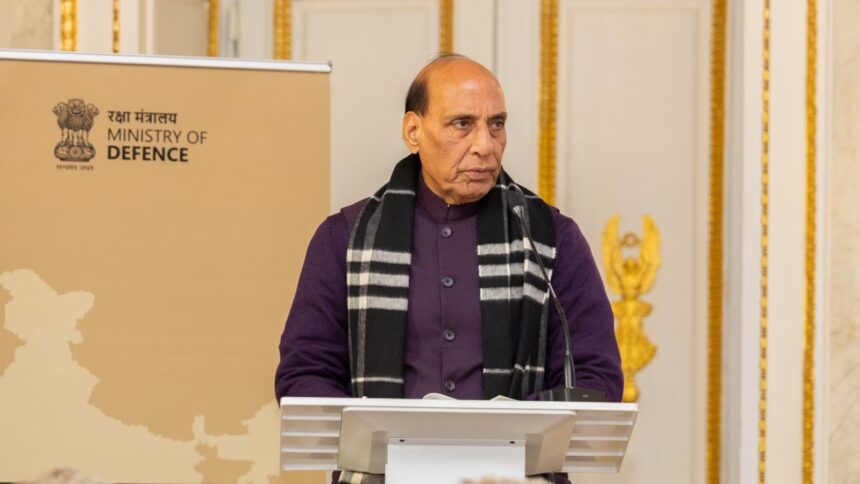
India’s Defence Minister Rajnath Singh is leading the Indian delegation at the SCO Defence Ministers’ Meeting being held in Bishkek, Kyrgyzstan. The high-level gathering brings together defence ministers from member countries to deliberate on key issues related to regional and global security.
The meeting comes at a time of increasing geopolitical tensions and evolving security challenges, making it an important platform for dialogue and cooperation among SCO nations. The agenda includes discussions on international peace, counter-terrorism, and strengthening defence collaboration among member states.
The Shanghai Cooperation Organisation is one of the largest regional political and economic groups, playing a crucial role in shaping security frameworks across Eurasia. Its member countries represent a significant portion of the global population and hold considerable influence in international affairs.
Rajnath Singh’s participation highlights India’s commitment to multilateral engagement and its proactive role in promoting peace and stability in the region. India has consistently emphasized the need for collective action in addressing security threats, especially terrorism and extremism.
Counter-terrorism is expected to be a major focus of the meeting. Member nations will likely exchange views on tackling cross-border terrorism, radicalization, and emerging threats. Discussions may include enhancing intelligence sharing and improving coordination among countries.
Defence cooperation is another key area on the agenda. This includes joint military exercises, capacity building, and sharing best practices. Such initiatives are aimed at improving preparedness and strengthening collaboration in handling regional challenges.
The meeting is also taking place against the backdrop of the ongoing global energy crisis and conflicts in West Asia. These developments have significant implications for regional stability and economic security.
The Ministry of Defence has indicated that the impact of these global challenges may be discussed during the meeting. Member countries are expected to explore ways to reduce the effects of ongoing conflicts on their economies and security environments.
Energy security has emerged as a major concern, with disruptions in supply chains affecting multiple countries. The issue is likely to be part of broader discussions on ensuring stability in the region.
India’s approach at the SCO platform has been guided by principles of mutual respect, sovereignty, and cooperation. The country advocates a collaborative framework that addresses shared challenges while respecting the interests of all member states.
Rajnath Singh is expected to present India’s perspective on regional security and emphasize a zero-tolerance approach toward terrorism. India has consistently called for strong global action against those supporting terrorist activities.
The Defence Minister may also hold bilateral meetings with his counterparts from other SCO member nations. These interactions provide an opportunity to strengthen defence ties and explore areas of mutual cooperation.
Such engagements help build trust and enhance strategic partnerships, contributing to overall regional stability. They also support India’s broader diplomatic and defence objectives.
The SCO Defence Ministers’ Meeting serves as an important platform for addressing complex security issues through dialogue and cooperation. It allows member states to develop coordinated strategies to deal with emerging threats.
For India, participation in SCO reflects its commitment to multilateralism and its role as a responsible global player. The country continues to engage actively in regional forums to promote peace, stability, and development.
The discussions in Bishkek are expected to shape the future security agenda of the region. As global dynamics continue to evolve, platforms like SCO remain essential for fostering cooperation among nations.
In conclusion, Rajnath Singh’s participation highlights India’s proactive approach to regional security and its commitment to addressing global challenges through collective efforts. The outcomes of the meeting are expected to influence future cooperation among member states.