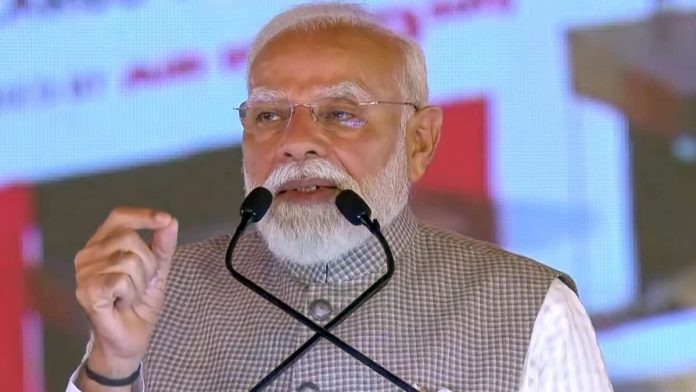
In a significant political outreach ahead of the upcoming Assembly elections, Narendra Modi is set to address the people of Assam through a virtual platform on March 30. The interaction, scheduled via the NaMo App, marks a strategic shift in campaign style, blending traditional political messaging with modern digital engagement.
The move comes at a crucial time when electoral momentum is building in the northeastern state, and political parties are intensifying their efforts to connect with voters. By choosing a digital medium, the Prime Minister aims to directly communicate with citizens, bypassing geographical limitations and reaching a wider audience across urban and rural regions.
This initiative reflects not only the BJP’s evolving campaign strategy but also the growing role of technology in shaping political discourse in India.
Digital Outreach Strategy Ahead Of Elections
The decision to use the NaMo App as a platform for voter interaction highlights the Bharatiya Janata Party’s emphasis on digital campaigning. Over the past decade, political communication in India has undergone a transformation, with social media, apps, and online platforms becoming key tools for outreach.
In Assam, where terrain and connectivity challenges often limit physical campaign coverage, digital initiatives provide an effective alternative. Through the NaMo App, users can participate in live sessions, access updates, and engage with campaign messaging in real time.
Party leaders have encouraged citizens and workers to download and register on the app, positioning it as a gateway to direct interaction with the Prime Minister. This approach not only enhances accessibility but also fosters a sense of personal connection between leadership and voters.
Moreover, such digital engagements allow for data-driven campaigning. Feedback collected through apps and online platforms helps political parties understand voter sentiment, tailor messaging, and refine strategies accordingly.
BJP’s Confidence Ahead Of Assam Elections
The ruling BJP, led in the state by Himanta Biswa Sarma, has expressed strong confidence in securing another term. The party is aiming for a third consecutive victory, banking on its governance record and development initiatives.
Sarma has highlighted the success of various campaigns and public outreach programmes, including the Vijay Sankalp Yatra, which witnessed significant participation from citizens across different districts. According to him, the enthusiasm seen during these events reflects growing support for the party.
The Chief Minister has also emphasised improvements in infrastructure, healthcare, and law and order as key achievements of the current government. These factors are expected to play a central role in the BJP’s campaign narrative.
At the same time, the leadership is aware of the challenges posed by anti-incumbency and is actively working to address local concerns. The virtual address by the Prime Minister is seen as an effort to reinforce voter confidence and energise the party’s grassroots network.
Political Landscape And Key Contest
The Assam Assembly elections will be a significant political contest between the BJP-led National Democratic Alliance (NDA) and opposition parties, primarily led by the Congress.
With 126 constituencies going to polls, the elections are expected to be closely watched both regionally and nationally. Assam holds strategic importance in the Northeast, and its political dynamics often influence neighbouring states.
The BJP will aim to consolidate its voter base, particularly among youth and first-time voters, while the opposition will attempt to capitalise on local issues and present itself as a viable alternative.
Campaign strategies on both sides are expected to focus on development, employment, regional identity, and governance. The outcome of the elections will have implications not only for state politics but also for national political alignments.
Role Of Technology In Modern Political Campaigns
The use of digital platforms like the NaMo App underscores a broader shift in political campaigning. Technology has become an integral part of how political messages are communicated and consumed.
Virtual rallies, live interactions, and online campaigns allow leaders to reach millions of people simultaneously. They also reduce logistical challenges and costs associated with traditional rallies.
In addition, digital platforms enable targeted communication. Political parties can tailor their messages to specific demographics, regions, or interest groups, making campaigns more effective.
For voters, these platforms provide easy access to information and the opportunity to engage directly with leaders. This interactivity enhances transparency and participation in the democratic process.
The growing reliance on technology also reflects changing voter behaviour, with more people turning to digital sources for news and information.
Importance Of Assam In National Politics
Assam plays a crucial role in India’s political landscape, particularly in the Northeast. The state serves as a gateway to the region and holds strategic, economic, and cultural significance.
Over the years, political developments in Assam have influenced broader regional dynamics. The state’s diverse population and unique socio-political context make elections here particularly significant.
For the BJP, maintaining its hold on Assam is important for strengthening its presence in the Northeast. For the opposition, the elections present an opportunity to challenge the ruling party’s dominance and regain political ground.
The outcome will also be closely watched as an indicator of voter sentiment ahead of future national elections.
Election Timeline And Preparations
The Election Commission has announced that polling for all 126 Assembly constituencies will take place in a single phase on April 9. The counting of votes is scheduled for May 4.
These timelines have set the stage for an intense campaign period, with political parties mobilising resources and strengthening their organisational structures.
Preparations are underway to ensure smooth conduct of elections, including arrangements for security, polling stations, and voter awareness campaigns.
The Model Code of Conduct is in place, guiding the behaviour of political parties and candidates during the election period.
Challenges Facing Political Parties
While the BJP enters the elections with confidence, it faces challenges such as anti-incumbency, local grievances, and opposition mobilisation.
Issues like unemployment, inflation, and regional concerns are likely to influence voter decisions. Addressing these concerns effectively will be crucial for all parties.
The opposition, on the other hand, faces the challenge of presenting a united front and convincing voters of its ability to provide stable governance.
Both sides are expected to intensify their campaigns in the coming days, focusing on key constituencies and voter groups.
Public Engagement And Voter Participation
The virtual address by Prime Minister Narendra Modi is expected to play a significant role in shaping public engagement. Such interactions not only convey political messages but also motivate voters to participate in the electoral process.
High voter turnout is often seen as a sign of strong democratic participation. Efforts are being made to encourage citizens, especially young voters, to exercise their right to vote.
Digital platforms like the NaMo App contribute to this by making information more accessible and engaging.
Strategic Messaging And Campaign Themes
The BJP’s campaign is likely to emphasise development, governance, and national leadership. The Prime Minister’s address is expected to highlight achievements and outline future plans for Assam.
At the same time, it will aim to counter opposition narratives and reinforce the party’s vision for the state.
Messaging will also focus on local issues, ensuring that voters feel their concerns are being addressed.
The upcoming virtual address by Narendra Modi via the NaMo App represents a significant moment in the Assam election campaign. It highlights the increasing role of digital platforms in political communication and the evolving nature of voter engagement.
As the state moves closer to polling day, such initiatives are expected to influence voter perception and participation. The elections will not only determine the future of Assam’s governance but also provide insights into broader political trends in the country.
With high stakes and intense competition, the coming weeks will be crucial in shaping the political landscape of Assam.