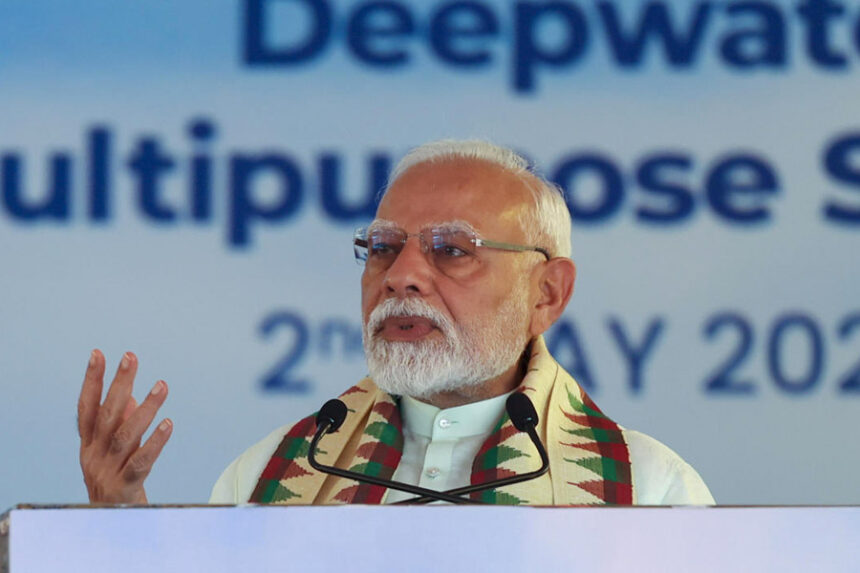
Onam, the grand harvest festival of Kerala, celebrated with vibrant festivities, cultural programs, and traditional feasts, brings people together in joyous celebration of prosperity and heritage. On this occasion, Prime Minister Narendra Modi extended his heartfelt greetings to the nation, wishing renewed joy, good health, and abundant prosperity to all citizens. Through his message on social media platform X, PM Modi highlighted the significance of Onam as a symbol of unity, cultural pride, and connection with nature. He emphasized that the festival reflects Kerala’s timeless traditions while fostering harmony and togetherness in society. Onam, with its ten-day-long celebrations culminating in Thiruvonam, serves as a cultural touchstone not only for Malayalis but also for the broader Indian community, showcasing India’s rich and diverse cultural heritage.
Onam Celebrations and Their Cultural Significance
The festival of Onam is marked by vibrant floral decorations known as Pookkalam, traditional feasts called Onam Sadhya, cultural performances, and elaborate rituals honoring the legendary King Mahabali. Across Kerala, households prepare intricate flower arrangements at their doorsteps, participate in traditional dance forms such as Thiruvathira and Kathakali, and enjoy communal feasts that include an array of delicacies served on banana leaves. These practices not only celebrate the agricultural bounty of the region but also strengthen social bonds, highlighting the festival’s enduring cultural and spiritual significance.
Onam is widely regarded as a festival that symbolizes unity, equality, and prosperity. It commemorates the mythical homecoming of King Mahabali, a ruler known for his generosity and fairness. According to legend, Mahabali’s annual visit during Onam reflects the people’s joy, gratitude, and reverence, reminding society of the values of humility, community service, and moral governance. The festival transcends religious and social boundaries, making it a unifying celebration for people from all walks of life, both within Kerala and among the Malayali diaspora worldwide.
The ten-day celebrations, beginning on August 26 this year, feature a host of activities including boat races, folk art performances, and exhibitions showcasing Kerala’s cultural richness. Thiruvonam, the most auspicious day of Onam, is marked by prayers, family gatherings, and elaborate Onam Sadhya, creating an atmosphere of festivity and cultural immersion. Across cities and villages, streets come alive with colors, music, and communal festivities, reflecting the vibrancy of Kerala’s traditions and the collective spirit of celebration.
Political Leaders Extend Greetings, Emphasizing Prosperity and Harmony
On this auspicious occasion, leaders from across India also shared their greetings, reflecting the widespread recognition of Onam as a symbol of cultural unity and prosperity. Uttar Pradesh Chief Minister Yogi Adityanath, in his message on X, extended heartfelt congratulations to the people and farmers of the state, emphasizing Onam as a festival that celebrates harmony, prosperity, and community well-being. He highlighted the spiritual and social significance of the festival, expressing hopes for renewed happiness, welfare, and growth for all individuals, particularly recognizing the contributions of food providers and agricultural workers.
Congress President Mallikarjun Kharge also shared his greetings, emphasizing the inclusive and diverse traditions celebrated during Onam. He highlighted the festival’s role in reinforcing the spirit of fraternity, renewal, and hope while drawing attention to the Onam Sadhya as a symbol of abundance and collective participation. Kharge’s message underscored Onam as a reflection of India’s legendary past, secular traditions, and cultural diversity, encouraging communities to embrace togetherness, prosperity, and social harmony during the celebrations.
In addition to political leaders, communities across the country and the global Malayali diaspora observe Onam with equal fervor. Cultural organizations, local administrations, and social groups actively organize events to mark the festival, emphasizing Kerala’s unique heritage while promoting communal participation. From traditional dance performances to competitions, exhibitions, and cultural workshops, Onam is not only a time of festivity but also an opportunity to educate younger generations about Kerala’s historical and cultural narratives.
The festival also fosters economic activity, particularly in rural areas, as artisans, florists, and local businesses contribute to the preparation of floral arrangements, decorations, and traditional delicacies. Markets are adorned with vibrant flowers, fruits, and vegetables, reflecting both the agricultural richness of the state and the cultural emphasis on communal sharing. These economic and social dimensions of Onam highlight the festival’s role in sustaining traditions while promoting prosperity and social cohesion.
The celebration of Onam extends beyond Kerala, reaching Malayali communities across the globe in countries such as the United Arab Emirates, the United States, the United Kingdom, and Australia. Cultural programs, virtual gatherings, and communal feasts allow the diaspora to remain connected to their roots, ensuring that the traditions of Onam continue to thrive internationally. These global celebrations reflect the festival’s ability to unite people across geographies while preserving the unique heritage of Kerala.
Prime Minister Modi’s message also emphasized the symbolic importance of Onam in reinforcing India’s cultural values. By highlighting the festival’s connection to nature, heritage, and communal unity, his greeting encouraged citizens to reflect on the broader lessons of harmony, environmental stewardship, and cultural pride. Onam’s rituals, celebrations, and symbolic narratives serve as a reminder of the values that underpin Indian society, reinforcing the importance of respect, collaboration, and inclusivity in contemporary life.
The culmination of the ten-day festivities on Thiruvonam provides a moment of reflection, gratitude, and joyous celebration. Families come together to share meals, participate in cultural rituals, and honor traditional practices, ensuring the continuity of customs passed down through generations. Schools, colleges, and community centers often host cultural programs to engage young people, promoting awareness of Kerala’s history, arts, and folklore while nurturing an appreciation for the region’s diversity.
The festival’s emphasis on the mythical return of King Mahabali also provides lessons in ethical leadership, generosity, and social responsibility. By celebrating these values through shared feasts, communal participation, and cultural performances, Onam instills a sense of civic duty and collective identity among participants. These elements underscore the festival’s enduring relevance in modern society, as it combines historical narratives, cultural expression, and moral reflection into a single, celebratory framework.
Onam serves as both a cultural and social cornerstone for Kerala and the Malayali community worldwide. Prime Minister Modi’s greetings, along with those of other political and community leaders, reinforce the festival’s significance in promoting unity, prosperity, and cultural pride. By highlighting the rich traditions, vibrant celebrations, and enduring messages of harmony associated with Onam, the festival continues to inspire communities to celebrate togetherness, honor heritage, and embrace the spirit of renewal and hope across India and beyond.