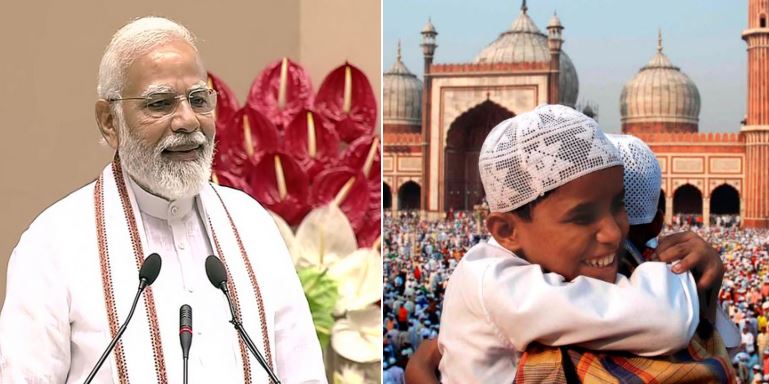
The celebration of Milad-Un-Nabi, marking the birth anniversary of Prophet Muhammad, holds profound spiritual and cultural significance for Muslims around the world. This sacred occasion, also known as Eid-e-Milad or Mawlid, is observed with prayers, gatherings, and acts of charity, reflecting the Prophet’s timeless teachings of compassion, justice, and service to humanity. Prime Minister Narendra Modi extended his heartfelt greetings to the nation on this important day, highlighting the values of empathy, unity, and social harmony that Milad-Un-Nabi embodies. Through his message on social media platform X, PM Modi expressed hope that the day would inspire individuals to embrace righteousness, compassion, and mutual respect, while strengthening the bonds of peace within society. The Prime Minister’s greeting underscores India’s commitment to fostering inclusive celebrations and respecting the diverse cultural and religious traditions that enrich the nation. This year, Milad-Un-Nabi celebrations began on Thursday, September 4, and continue through Friday, coinciding with the 12th day of Rabi’ al-Awwal, the third month of the Islamic lunar calendar, with communities across the country and the world reflecting on the teachings of the Prophet and engaging in acts that promote social cohesion and spiritual reflection.
Spiritual Significance and Observance of Milad-Un-Nabi
Milad-Un-Nabi is observed as a deeply spiritual occasion, inviting followers to remember and reflect on the life and teachings of Prophet Muhammad, who was born in Mecca around 570 CE. The Prophet’s life is celebrated for its unwavering commitment to compassion, equality, justice, and service to others, values that continue to inspire millions across generations and geographies. This festival serves as a reminder to embody these principles in daily life, fostering ethical conduct, empathy, and mutual understanding among communities. On Milad-Un-Nabi, Muslims gather in mosques, community centers, and homes to engage in special prayers, recitations of the Quran, and sermons highlighting the Prophet’s teachings. Religious and spiritual gatherings also include discussions on his exemplary character, emphasizing humility, generosity, and selfless service to humanity. Many followers extend their observance beyond worship, engaging in charitable activities, offering assistance to the underprivileged, and supporting community welfare initiatives. These acts not only honor the Prophet’s legacy but also reinforce the values of justice, compassion, and community responsibility, which remain central to Islamic teachings. The day is also a time for families and communities to come together, strengthening bonds of brotherhood, social unity, and cultural cohesion, ensuring that the essence of Milad-Un-Nabi resonates across personal and public life.
The observance of Milad-Un-Nabi also highlights the universal relevance of the Prophet’s message, transcending religious boundaries. It encourages dialogue, interfaith understanding, and the promotion of moral values that can contribute to social harmony and peaceful coexistence. By revisiting the teachings of the Prophet, communities reflect on ethical leadership, moral accountability, and the importance of acting with justice and integrity in all spheres of life. The festival’s spiritual practices and communal celebrations serve not only as acts of devotion but also as mechanisms for nurturing societal empathy, compassion, and collective responsibility, which are essential for sustaining social cohesion in diverse societies.
Leaders Extend Greetings Emphasizing Unity, Compassion, and Social Welfare
In addition to Prime Minister Narendra Modi, several other political and social leaders conveyed their greetings on the occasion of Milad-Un-Nabi, reinforcing the importance of the festival in promoting unity, moral reflection, and societal well-being. Union Minister Kiren Rijiju extended his wishes through social media, emphasizing that Milad-Un-Nabi provides an opportunity to strengthen bonds of togetherness and joy among people, while inspiring a sense of responsibility and service toward society. Jammu and Kashmir Lieutenant Governor Manoj Sinha also shared his greetings, highlighting the teachings of the Prophet as a guiding force for righteous living and ethical conduct. In his message, he urged individuals to embrace values of compassion, selflessness, unity, and peace, ensuring that these principles guide actions both within families and in the wider community. Congress President Mallikarjun Kharge joined the celebrations by wishing citizens a prosperous and harmonious Milad-Un-Nabi, encouraging people to uphold the spirit of goodwill, empathy, and fraternity during the festival.
These messages from leaders across the political spectrum underline the shared recognition of Milad-Un-Nabi as a festival that transcends religious identity and serves as a platform to reinforce ethical values, communal harmony, and social cohesion. The greetings collectively convey an appeal to society to internalize the principles of empathy, justice, and service that the Prophet Muhammad exemplified, thereby nurturing a culture of peace, tolerance, and mutual respect. Through these gestures, leaders not only honor the religious significance of the festival but also underscore the relevance of its moral teachings in contemporary society, emphasizing the interconnectedness of spiritual observance, social welfare, and civic responsibility.
The Prophet Muhammad’s life and teachings remain a central point of reflection during Milad-Un-Nabi, encouraging individuals to cultivate virtues that strengthen personal character and communal harmony. From acts of charity and service to educational initiatives that disseminate ethical values, the observance of Milad-Un-Nabi extends beyond ritual and celebration, serving as a call to action for moral and social responsibility. The festival’s spiritual and social dimensions remind communities that compassion, equality, and justice are foundational principles not only for personal growth but also for societal stability and collective well-being.
In a country as diverse as India, Milad-Un-Nabi exemplifies the ways in which religious and cultural festivals can foster understanding, tolerance, and social integration. Observances across states, involving both large-scale public events and intimate family rituals, reflect the rich cultural fabric and shared values of Indian society. Communities organize gatherings, participate in educational programs, and engage in charitable initiatives, ensuring that the teachings of the Prophet are translated into tangible contributions to social welfare. This inclusive celebration strengthens the bonds between citizens of different backgrounds, highlighting the universality of compassion, empathy, and justice, which Milad-Un-Nabi embodies.
The tenets of Milad-Un-Nabi resonate not only with the Muslim community but also with the broader society, as the Prophet’s emphasis on ethical leadership, social justice, and communal service offers lessons applicable to all individuals. By commemorating his birth and reflecting on his teachings, the festival inspires renewed commitment to values that are critical for harmonious coexistence and the creation of a just and compassionate society. Social and political leaders’ participation in greetings and public messages reinforces the collective importance of these values, bridging cultural and religious diversity with shared moral imperatives.
As communities observe Milad-Un-Nabi through prayers, charity, and reflection, the festival reinforces the significance of fostering understanding and solidarity within society. The spiritual, ethical, and social dimensions of the observance encourage people to internalize values of fairness, empathy, and service while nurturing peace and goodwill. This observance also emphasizes the need for moral vigilance and ethical consistency in personal, professional, and public spheres, reminding citizens that social well-being and harmonious living are intrinsically linked to the principles of justice, compassion, and service that the Prophet Muhammad exemplified.
The celebration of Milad-Un-Nabi further provides an opportunity for intergenerational learning, as families and communities share stories, teachings, and historical context surrounding the Prophet’s life. This educational aspect ensures that younger generations understand the importance of ethical conduct, community service, and moral responsibility, allowing them to carry forward these timeless values in an increasingly interconnected and complex world. Religious scholars, educators, and community leaders play a crucial role in guiding these conversations, ensuring that the lessons of Milad-Un-Nabi are internalized and applied in contemporary life.
Milad-Un-Nabi also fosters global cultural connection, as Muslims worldwide observe the festival with similar rituals, prayers, and charitable acts. This international dimension of the festival highlights the universality of the Prophet’s message and reinforces the importance of cross-cultural understanding, global solidarity, and the promotion of human values that transcend geographical and social boundaries. By aligning spiritual observance with ethical action and community service, Milad-Un-Nabi serves as a reminder that moral and social responsibility is a shared human imperative, capable of uniting diverse communities in pursuit of common good.
Prime Minister Modi’s message, along with greetings from other leaders, emphasizes the importance of celebrating Milad-Un-Nabi not merely as a ritualistic observance but as a festival that inspires ethical reflection, compassion, and practical contributions to society. By integrating the spiritual significance of the day with actionable steps toward social harmony, peace, and service, the observance of Milad-Un-Nabi becomes a catalyst for promoting the moral and cultural fabric of society. The festival’s essence encourages citizens to engage in acts of kindness, support vulnerable populations, and uphold principles of justice, equality, and empathy, reflecting the holistic vision of the Prophet Muhammad.
The festival’s alignment with the Islamic calendar, occurring on the 12th day of Rabi’ al-Awwal, ensures that communities synchronize their observances globally, reinforcing a shared sense of purpose, continuity, and tradition. From local mosques to international congregations, Milad-Un-Nabi fosters a spirit of unity, collective reflection, and ethical engagement. Its observance across various regions strengthens cultural bonds and underscores the timeless relevance of the Prophet’s teachings, inspiring both spiritual growth and social contribution.
Through the observance of Milad-Un-Nabi, India continues to demonstrate its inclusive ethos, respecting and celebrating diverse religious traditions while fostering societal values rooted in compassion, service, and ethical conduct. The festival serves as a reminder that spiritual reflection and moral action are intertwined, encouraging citizens to embrace principles that nurture both personal virtue and communal well-being. Leaders’ engagement in conveying greetings and reflections on the Prophet’s life reinforces the shared commitment to peace, empathy, and social harmony, highlighting the enduring legacy of Milad-Un-Nabi as both a religious and cultural touchstone in contemporary society.
Milad-Un-Nabi in India serves not only as a commemoration of the birth of Prophet Muhammad but also as a celebration of universal values that promote ethical conduct, social cohesion, and communal peace. The festival’s observance, greetings from national leaders, and widespread community engagement underscore its significance in fostering unity, compassion, and a shared commitment to building a harmonious and morally conscious society. It encourages reflection on the Prophet’s teachings, inspires action grounded in empathy and justice, and strengthens the societal fabric through shared cultural and spiritual experiences, reinforcing India’s vision of an inclusive, peaceful, and ethically guided community.