At the recently concluded Shanghai Cooperation Organisation (SCO) summit, Pakistan appeared increasingly isolated on the international stage, with even its traditionally close allies—China and Russia—choosing to remain silent on controversial issues. As India sharpened its stance against cross-border terrorism, naming Pakistan-based terror groups as a regional threat, the lack of response from China was seen by many as a calculated move. The summit has exposed Islamabad’s weakening influence in multilateral platforms and the shifting priorities of global powers like Beijing and Moscow.
China’s Strategic Silence Signals Changing Priorities
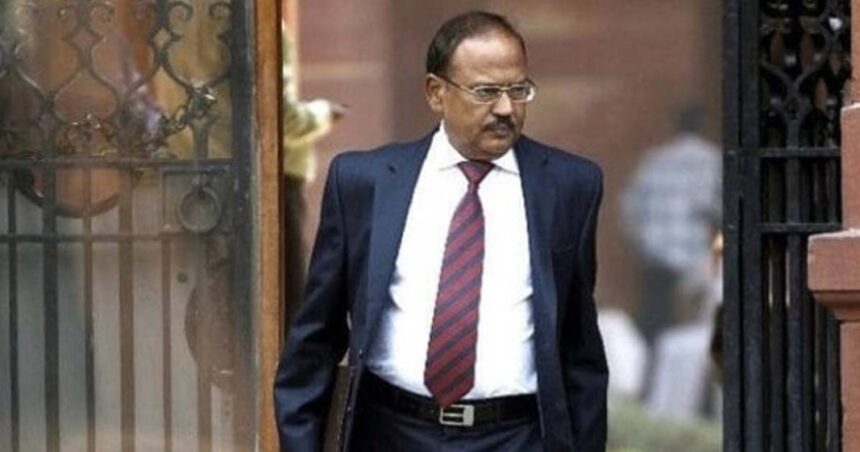
India’s National Security Adviser Ajit Doval made a direct reference to Lashkar-e-Taiba (LeT) and Jaish-e-Mohammed (JeM) during the summit, calling them key threats to regional stability. What stood out, however, was that no member nation, including China, came to Pakistan’s defence—marking a significant departure from the past when Beijing would actively block any move to single out Islamabad in global forums.
Government sources suggest that China’s silence was not accidental but intentional. With India emerging as a major economic partner and bilateral trade growing steadily, Beijing is increasingly prioritising its ties with New Delhi over its traditional strategic embrace of Islamabad. The message was clear: China’s support is now conditional, and Pakistan’s inconsistent foreign policy is causing concern.
While China continues to extend military assistance to Pakistan, it is diplomatically tilting toward India in multilateral engagements. Analysts believe Beijing is losing patience with Pakistan’s “double game” on counter-terrorism and its failure to progress key projects like the China-Pakistan Economic Corridor (CPEC), which has slowed significantly in recent years.
Eroding Credibility and Fractured Alliances
Beyond China, other SCO members also appeared reluctant to align with Pakistan’s positions. Russia, which has typically tried to balance its interests in South Asia, refrained from backing Islamabad. Experts view this neutrality as another indication of shifting loyalties, especially as Russia strengthens its defence and energy partnerships with India.
Iran, too, has reportedly voiced unease over Pakistan’s increasing proximity to the United States. Tehran sees Islamabad’s engagement with Washington—particularly during heightened tensions in the Middle East—as undermining Islamic solidarity, further isolating Pakistan from potential regional allies.
Diplomatic observers attribute Pakistan’s diminishing influence to several structural and strategic failures. These include a weakened democratic setup, over-dependence on its military in shaping foreign policy, failure to offer a consistent stance on terrorism, and an inability to maintain balanced relations with key players like the US, China, and Gulf countries.
Furthermore, the growing perception that Pakistan’s civilian government has limited control over its external engagements is driving key nations to communicate primarily through military channels. This shift further reduces Islamabad’s leverage in shaping regional outcomes at platforms like the SCO.
According to diplomatic sources, the overarching takeaway from the summit is a warning to Pakistan: unless it reforms its foreign policy, counters terrorism credibly, and improves ties with India, its relevance in multilateral decision-making will continue to decline. The SCO, which once offered Pakistan an opportunity to showcase regional leadership, now reflects its growing marginalisation.