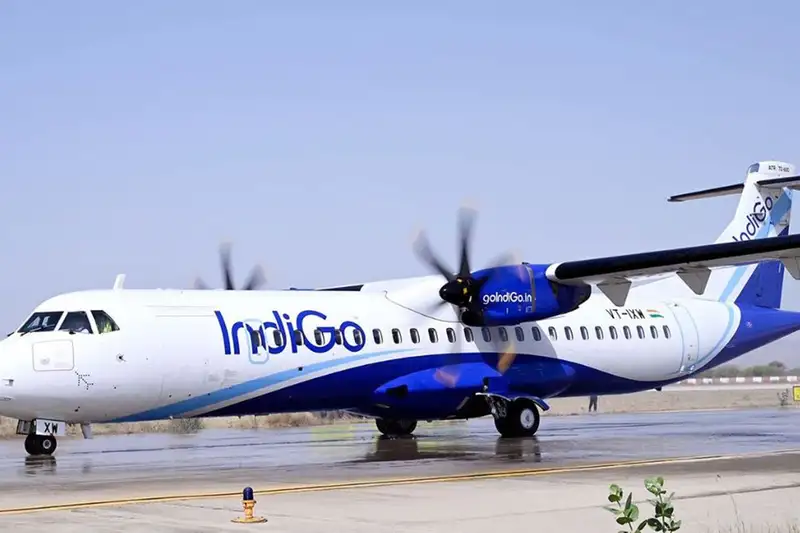
The widespread disruption across India’s aviation network on Wednesday, after more than 150 IndiGo flights were cancelled and several hundred delayed, created a wave of frustration among thousands of passengers who found themselves stranded at airports with long queues, malfunctioning check-in systems and operational breakdowns. The airline acknowledged that its network had been severely affected for the past two days and issued a formal apology, while also announcing measures it called calibrated adjustments designed to restore punctuality and achieve operational stability over the next forty-eight hours. The situation intensified concerns over staffing, technology resilience and preparedness during the winter aviation season, raising questions about the underlying causes of the disruption and the broader challenges facing India’s busiest airline.
A wave of cancellations, operational setbacks and passenger frustration spreads across India
The day began chaotically as passengers from Delhi, Mumbai, Bengaluru, Hyderabad and other major metros reported long lines, unresponsive kiosks and repeated delays attributed to technical glitches in the airline’s check-in system as well as operational trouble across various departments. Many passengers described a breakdown of information flow and the absence of timely updates, which amplified the stress created by last-minute cancellations. As the day progressed, the tally of affected flights climbed sharply: approximately sixty-seven flights were cancelled at Delhi’s Indira Gandhi International Airport, fourteen from Hyderabad on Tuesday and nineteen more on Wednesday, forty-two from Bengaluru and thirty-two from Mumbai. The cumulative disruption extended to both domestic and international sectors, making it one of the most significant multi-airport operational breakdowns the airline has faced in recent years.
In a detailed statement issued by its spokesperson, IndiGo acknowledged the severity of the crisis and the scale of inconvenience passengers were experiencing. The company explained that its operations had been significantly disrupted across the network for two consecutive days and extended a sincere apology. It cited a range of contributing factors that included technological glitches, schedule shifts linked to the onset of winter, adverse weather conditions, increased congestion in the aviation system and several unforeseen operational challenges that combined to create a cascading effect across the airline’s schedule.
One of the most debated elements of the carrier’s explanation was its reference to the newly updated crew rostering rules, known as flight duty time limitations. These rules restrict the maximum number of hours pilots and cabin crew can work, with the goal of preventing fatigue and ensuring safety. IndiGo suggested that the implementation of these regulations had a compounding impact on its operations that was not anticipated. However, the Federation of Indian Pilots issued a clarification later, stating that the wave of cancellations could not be attributed to the court-mandated FDTL norms. The federation asserted that other airlines had provisioned their pilot strength adequately and had therefore remained largely unaffected, implying that IndiGo’s internal planning may have lagged behind the operational needs of its network.
Passengers continued expressing displeasure throughout the day, with many reporting that they were not informed of delays until they arrived at the airport. In some terminals, passengers queued for hours without clarity on whether their flights would depart. The breakdown also coincided with a global outage in the Amadeus software network that several airlines rely on for check-in and boarding operations. Air India, Akasa Air and SpiceJet were among the carriers affected by the outage, but the duration and severity of their delays were considerably lower compared to those faced by IndiGo travellers, adding to perceptions that the airline was struggling with deeper internal issues.
IndiGo announces stabilisation strategy as questions grow over manpower planning and system preparedness
As the outrage intensified, IndiGo stated that it had activated a stabilisation plan that would remain effective for the next forty-eight hours. The airline called these measures calibrated adjustments intended to reduce pressure on an already strained schedule. This plan includes revising flight rotations, redistributing crew assignments and temporarily reducing network load so that operations can normalise progressively. IndiGo emphasised that the objective was to restore punctuality and limit further passenger inconvenience. It added that consistent efforts were underway at every operational level to bring the system back to stability as quickly as possible. Affected passengers were offered alternative travel arrangements or refunds according to eligibility, and the airline requested that passengers verify flight status on its website before leaving for the airport to avoid unnecessary travel.
Despite the airline’s explanation, the Federation of Indian Pilots issued a strong statement attributing the disruption not to regulatory constraints but to IndiGo’s longstanding lean manpower strategy. The federation said the airline had operated with unusually small buffers in critical departments, particularly in flight operations, and warned that such a strategy left the network vulnerable to even minor shocks. The commercial success of a high-volume, low-margin airline model, the federation suggested, cannot be sustained without robust staffing reserves and more resilient operational planning. This critique resonated among aviation analysts who have often warned that ultra-efficient staffing in fast-expanding carriers can increase the risk of widespread breakdowns when unexpected stressors occur.
IndiGo’s public response also highlighted the role of seasonal factors. With winter conditions affecting visibility and airport throughput in northern India, airlines must adjust their scheduling to accommodate longer turnaround times and potential congestion. Combined with the global check-in software outage and technical failures in domestic systems, these conditions created an unusually dense cluster of disruptions occurring simultaneously. This confluence of problems made it difficult for IndiGo to recover quickly, especially when combined with crew availability challenges arising from revised rostering norms and workload distribution.
Meanwhile, scenes at airports reflected the human cost of the operational breakdown. Families missed important connections, business travellers cancelled meetings, and international passengers faced uncertainty about immigration rechecks and rescheduled flights. Videos on social media showed passengers demanding clarity and compensation. Several passengers described difficulty reaching customer support teams due to overloaded helplines, further aggravating tensions. The airline attempted to address these concerns through its public statements, assuring that support teams were working continuously to resolve backlogs and that all reasonable alternatives or refunds would be processed as quickly as possible.
The larger aviation sector also felt the ripple effects of IndiGo’s disruption. As the country’s largest airline by market share, its irregularities result in pressure on airport infrastructure, ground services and air traffic flows. When an operator with such a dense network faces repeated cancellations, the resulting congestion can slow down other carriers as aircraft parking bays fill up, passenger queues lengthen and resource allocation becomes strained. In the midst of this, the Amadeus software outage added a layer of global complexity, underscoring the vulnerability of technology-driven systems to even brief disruptions.
As the airline continues implementing its stabilisation measures, it remains under public scrutiny. The crisis has reopened discussions about workforce planning, technology redundancy and the need for airlines to maintain contingency buffers in an industry where small failures can rapidly amplify. Winter is traditionally a challenging period for operations, but the scale of disruption experienced this week has intensified pressure on IndiGo to demonstrate that its recovery plan will work and that passengers can rely on more consistent service moving forward. The next two days will be crucial in determining how quickly the carrier can restore normalcy and rebuild trust among travellers who faced significant inconvenience across the country.