Pakistan is confronting a growing energy crisis as geopolitical tensions in the Middle East continue to disrupt global supply chains and affect fuel availability. The country’s Petroleum Secretary Hamed Yaqoob Sheikh informed the Senate Standing Committee that fuel reserves are limited and may not be sufficient if disruptions persist. According to the briefing Pakistan currently holds petrol reserves for about 27 days high speed diesel for 21 days jet fuel for 14 days crude oil for 11 days and liquefied natural gas for only nine days. These figures highlight the vulnerability of Pakistan’s energy system which relies heavily on imports and is highly sensitive to global developments.
Heavy reliance on Middle East imports
Pakistan depends significantly on Middle Eastern countries for its energy needs with around 70 percent of petrol imports originating from the region. The ongoing conflict and instability have disrupted shipping routes increasing risks and delays in transportation. This has created supply chain challenges and raised concerns about the continuity of imports. The situation is further complicated by rising insurance costs and logistical constraints which add to the overall cost of fuel imports.
Surge in fuel prices and economic impact
Global fuel prices have increased sharply since the start of the conflict with diesel prices rising from 88 dollars to 187 dollars and petrol from 74 dollars to 130 dollars. This surge is placing immense pressure on Pakistan’s economy which is already dealing with inflation and fiscal challenges. Higher fuel costs lead to increased transportation expenses which in turn raise the prices of essential goods and services. This creates a ripple effect across the economy affecting both businesses and consumers.
LNG supply disruptions intensify crisis
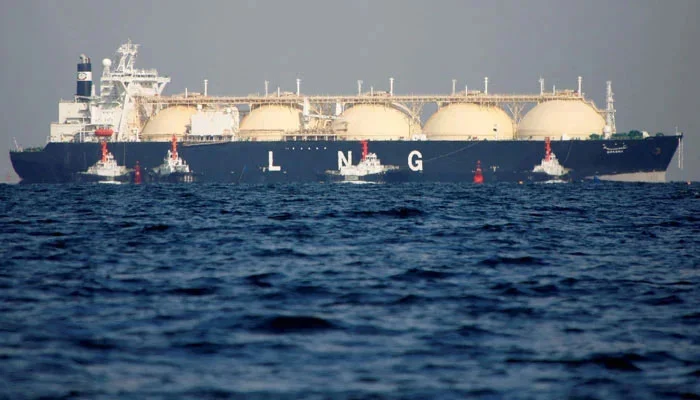
The disruption in LNG imports has further worsened the situation. Since March 2 LNG supplies from Qatar have been affected and only two out of eight scheduled cargoes have been delivered. This shortfall has created a significant gap in gas supply forcing the government to rely more on domestic production and emergency measures. However domestic production alone is insufficient to meet demand leading to further strain on the energy sector.
Impact on industry and power generation
To manage the shortage the government has reduced gas supply to key sectors. Supply to a fertilizer plant has been cut by 50 percent while gas supply to the power sector has been reduced from 300 MMCFD to 130 MMCFD. These reductions are likely to impact industrial output and electricity generation potentially slowing economic growth. Industries may face higher production costs and reduced efficiency due to energy shortages.
Exploring alternative sources despite higher costs
Pakistan is exploring alternative sources for LNG including potential purchases from Azerbaijan. However these spot market purchases are significantly more expensive costing around 24 dollars per unit compared to 9 dollars under existing contracts with Qatar. This highlights the financial burden of securing energy during a global crisis and raises concerns about sustainability.
Government measures and monitoring system
To address the crisis the government has formed a ministerial committee to monitor petroleum supplies on a daily basis and assess the evolving situation. Fuel price adjustments have also been implemented to discourage hoarding and ensure continued imports. These measures aim to stabilize the market and prevent further disruptions.
Relief measures for vulnerable groups
The government is also working on a relief package for motorcycle and rickshaw users who are among the most affected by rising fuel costs. These measures are intended to reduce the financial burden on low income groups and maintain social stability.
Future outlook and strategic challenges
Experts warn that if Middle East tensions persist Pakistan’s energy crisis could worsen significantly. The country will need to diversify its energy sources improve domestic production and develop a long term strategy to ensure energy security. Without structural reforms Pakistan may continue to face similar crises in the future.