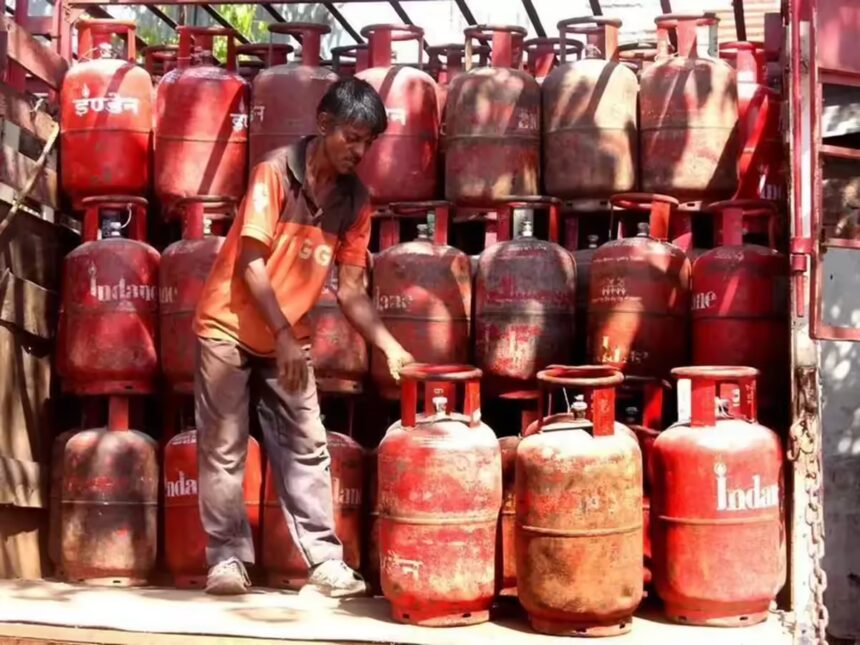
India has recently increased domestic LPG cylinder prices by ₹60, pushing the cost of a standard 14.2 kg cylinder to around ₹913 in major cities such as Delhi. This increase comes at a time when global energy markets are experiencing volatility due to geopolitical tensions, supply disruptions and fluctuating international fuel prices. Despite the hike, India continues to offer LPG at relatively lower prices compared to neighbouring countries such as Pakistan, Nepal and Sri Lanka. This reflects a carefully balanced approach that combines market dynamics with government intervention to ensure affordability. LPG has become an essential household fuel in India, widely used across urban and rural areas. Government initiatives have expanded access to clean cooking energy, making affordability a critical factor in pricing decisions.
Regional comparison and pricing differences
When compared with other South Asian countries, India maintains a relatively lower LPG price structure. Countries such as Pakistan, Sri Lanka and Nepal face higher prices due to increased import dependency and limited subsidy frameworks. India, on the other hand, follows a hybrid pricing model where government intervention helps cushion the impact of global price fluctuations. This ensures that consumers are not fully exposed to rising international costs. The difference also highlights contrasting policy approaches, where India prioritizes consumer welfare alongside market considerations.
Key policy mechanisms behind lower prices
Several factors contribute to keeping LPG prices lower in India. Government subsidies play a crucial role in reducing the financial burden on households, especially among economically weaker sections. Financial support to oil marketing companies enables them to absorb part of the cost burden. Additionally, partial price regulation prevents sudden spikes and maintains stability in the market. LPG is treated as an essential service, reinforcing the government’s commitment to affordability and accessibility.
Global influences and future outlook
Global factors continue to influence LPG pricing in India. Geopolitical tensions in energy-producing regions, supply chain disruptions and rising global demand have driven international prices upward. India’s reliance on imports makes it vulnerable to these changes. Currency fluctuations, particularly a weaker rupee, also increase import costs. Looking ahead, LPG prices are expected to remain influenced by global trends and domestic policy decisions. While government intervention may continue to provide relief, long-term stability will depend on global market conditions and economic strategies.