The global energy landscape is undergoing a significant transformation as geopolitical tensions and supply disruptions reshape trade routes and strategic alliances. One of the most notable developments in this evolving scenario is the sudden diversion of a Russian oil tanker originally destined for China to India. This move reflects not only the volatility of global energy markets but also India’s increasing importance as a key player in international oil trade.
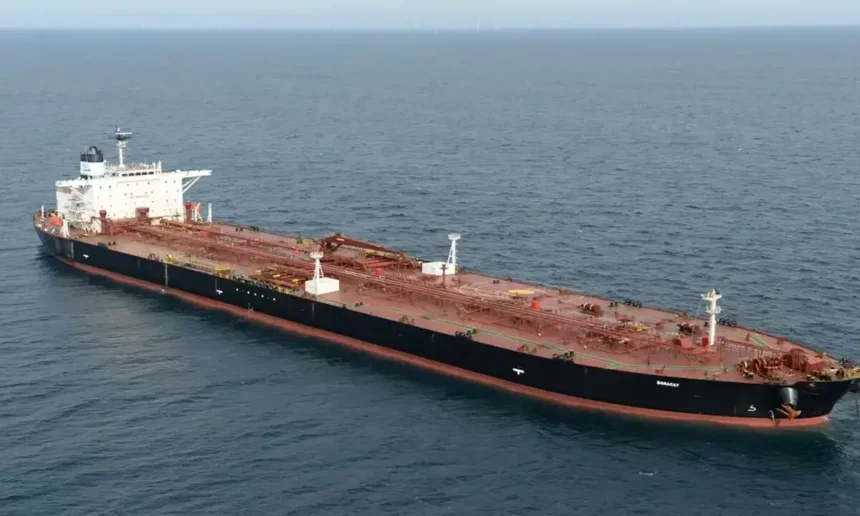
The Aframax tanker Aqua Titan carrying Russia’s Urals crude oil is now expected to arrive at New Mangalore port in India. The vessel had initially signaled China’s Rizhao port as its destination but reversed course in the South China Sea in mid March. This change coincided with escalating tensions in the Strait of Hormuz following the Iran Israel conflict which has disrupted global energy supply chains.
Global energy crisis creates new opportunities
The closure or disruption of the Strait of Hormuz has had far reaching consequences for global oil supply. Approximately 20 percent of the world’s oil and liquefied natural gas passes through this narrow waterway making it one of the most critical energy transit routes.
With supply constraints emerging India has moved quickly to secure alternative sources of energy. The United States allowing India to increase its purchases of Russian crude has further accelerated this shift.
This development has provided India with an opportunity to secure oil at competitive prices while ensuring uninterrupted supply for its growing energy needs.
Tankers rerouting from China to India
According to energy intelligence firm Vortexa several tankers have altered their destinations from China to India in recent weeks. This trend indicates a significant shift in global trade patterns driven by demand supply dynamics and geopolitical factors.
Apart from Aqua Titan another tanker Zouzou N carrying Kazakh crude has also redirected its route to India’s west coast. Such movements highlight India’s rising demand and strategic positioning in global oil markets.
Indian refiners ramp up Russian oil imports
India’s major refineries have been actively securing Russian crude to offset reduced inflows from traditional suppliers in the Middle East. Reports suggest that Indian refiners purchased around 30 million barrels of Russian oil within a week.
This aggressive procurement strategy reflects India’s efforts to maintain energy security amid uncertain global conditions.
Strategic importance of Strait of Hormuz
The Strait of Hormuz remains a crucial chokepoint for global energy trade. Any disruption in this region has immediate implications for oil prices and supply stability worldwide.
The ongoing conflict has slowed tanker movement and increased risks for shipping companies leading to delays and route changes.
Indian vessels navigate safely despite tensions
Despite the volatile situation some Indian vessels have successfully navigated the Strait of Hormuz. LPG carriers such as Nanda Devi and Shivalik reached Indian ports safely demonstrating resilience in maintaining supply lines.
These developments highlight India’s preparedness and strategic capability in managing maritime risks during a crisis.
India’s growing role in global energy markets
The diversion of tankers toward India underscores the country’s growing influence in global energy markets. India is no longer just a major consumer but is emerging as a key player shaping trade flows and supply chains.
With increasing demand strategic partnerships and proactive policy measures India is positioning itself as a central hub in the global energy ecosystem.
As the energy crisis continues India’s ability to adapt and secure resources will play a crucial role in ensuring economic stability and long term growth.