A new wave of guerrilla violence in Colombia, amid a faltering peace process, has claimed the lives of more than 80 people, including civilians, and forced thousands to flee their homes in just four days, according to officials. The violence erupted in the Cocaine-producing Catatumbo region, where the National Liberation Army (ELN), one of Colombia’s largest guerrilla groups, launched an assault on rival forces in the area. These rivals, former members of the now-defunct Revolutionary Armed Forces of Colombia (FARC), continued fighting after the group disarmed in 2017 under a peace deal.
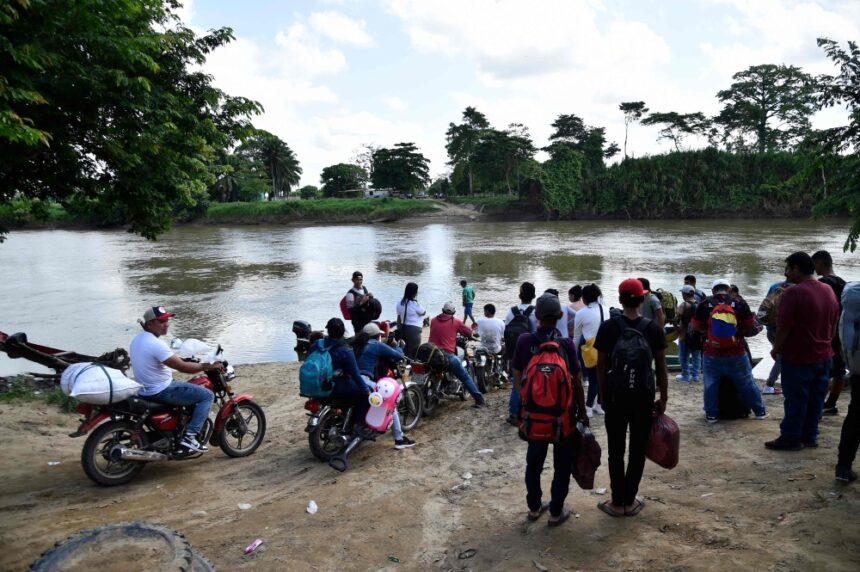
The conflict has resulted in a devastating humanitarian crisis, with many of the victims being civilians caught in the crossfire. By Sunday, officials reported that at least 80 people had lost their lives in the fighting, which began last Thursday. Governor William Villamizar of Norte de Santander, the department where Catatumbo is located, confirmed the grim toll, noting that civilians had found themselves trapped as the violence escalated. The violence has spread rapidly, displacing thousands of people who have fled for their lives. Many residents have sought refuge in nearby towns, such as Tibu, where shelters have been established, while others crossed into neighboring Venezuela, some returning to a country they had once fled due to political and economic turmoil.
The Venezuelan government, in response to the crisis, has initiated “a special operation to assist the civilian population displaced from Colombia.” The operation aims to support the hundreds of families who have crossed the border to escape the violence. For many, this displacement is a painful journey, as evidenced by Geovanny Valero, a 45-year-old farmer who fled to Venezuela, expressing his hope that the situation in Catatumbo would soon be resolved so that he could return to his homeland.
Amid the chaos, the Colombian army has deployed about 5,000 troops to the region in an attempt to quell the violence and protect civilians. In an effort to curb the violence, Governor Villamizar has urged the warring factions to establish humanitarian corridors that would allow civilians to escape the combat zones safely. The situation has reached an alarming level, with authorities confirming that around two dozen people have been injured, in addition to the thousands displaced. The Ombudsman’s Office, a human rights watchdog, reported that the ELN fighters have been going from house to house, executing people suspected of being affiliated with the FARC dissidents. This has led to further fears of abductions and killings of social leaders, peace signatories, and even children.
The latest round of violence comes after a series of clashes between the ELN and other criminal groups, including the Gulf Clan, a major drug cartel in Colombia. These battles have left at least nine people dead in northern Colombia, further exacerbating the country’s already volatile situation. President Gustavo Petro, who had been engaged in peace negotiations with the ELN, announced the suspension of talks after the violence escalated. He condemned the ELN’s actions as a refusal to engage in peace and accused them of committing “war crimes.” With an estimated 5,800 fighters, the ELN remains one of the largest and most powerful guerrilla groups in Colombia, heavily involved in the drug trade and organized crime.
The breakdown in peace talks with the ELN highlights the continued challenges Colombia faces in its struggle for lasting peace. Although the country disarmed the FARC in 2017, violence has persisted, with left-wing guerrilla groups, right-wing paramilitaries, and drug cartels all vying for control over valuable resources and trafficking routes. The conflict has left many Colombians caught in the middle, suffering from the impacts of a decades-long war that shows no sign of ending.
As Colombia grapples with these growing challenges, the need for a sustainable peace process remains critical. President Petro’s call for “total peace” may be difficult to achieve as long as groups like the ELN continue their violent campaigns, which undermine efforts to stabilize the nation. The human toll of this violence underscores the urgency of addressing the deep-rooted issues that fuel Colombia’s ongoing conflict, as thousands of innocent lives are torn apart by the violence, and the dream of peace continues to slip further away.