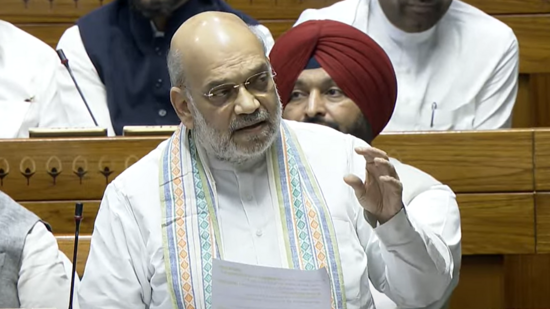
The Waqf Amendment Bill 2025 has ignited a fierce political debate in India, with opposition parties criticizing the bill as an attack on secularism and fundamental rights, while the government defends it as a much-needed reform to ensure transparency in the management of waqf properties. The bill, which seeks to modernize the administration of waqf properties, was passed in the Lok Sabha during a midnight session, with 288 votes in favor and 232 against, despite strong objections from opposition leaders.
Trinamool Congress MP Mahua Moitra led the opposition charge, calling the passage of the Waqf Amendment Bill 2025 a “dark day” for India’s secular democracy. She expressed concerns that the bill infringes on the rights of the Muslim community, alleging that it could have detrimental effects on their constitutional rights. Moitra emphasized the slim voting margin, warning that the bill had passed only because of party whips and alliance support. She argued that the Waqf Bill would have a “chilling effect” on the community’s rights and freedom.
Samajwadi Party MP Mohibullah Nadvi also condemned the bill, calling it “worse than any law ever made for Muslims in the country.” Nadvi raised concerns about the bill’s disregard for constitutional principles, warning that it had been passed without adequate consultation and could face serious legal challenges.
Government Defends Waqf Amendment Bill as Step Toward Transparency
In contrast, the BJP-led government defended the Waqf Amendment Bill 2025 as an essential reform aimed at improving governance and transparency in waqf property management. Union Minister Kiren Rijiju emphasized that the bill was a necessary step to address inefficiencies in the administration of waqf properties and ensure accountability within waqf boards. The government argues that the bill will streamline the registration process, enhance record-keeping with the integration of technology, and prevent the misuse of waqf assets. Government officials maintained that these reforms were crucial for ensuring that waqf properties serve their intended beneficiaries.
Despite the government’s defense, opposition leaders remain resolute in their criticism, pledging to challenge the bill’s provisions in the Rajya Sabha and potentially in court. As the bill moves forward, political tensions are expected to escalate, particularly in light of the deeply sensitive nature of waqf properties in India.
Waqf Amendment Bill 2025: A Step Toward Reform or Political Maneuvering?
The passage of the Waqf Amendment Bill 2025 has sparked heated political discourse, with accusations from the opposition that the bill is a tool for undermining Muslim rights and further centralizing power. The government, on the other hand, insists that the reforms are aimed at ensuring greater transparency and accountability in the management of waqf properties, a move they argue is long overdue.
The Waqf Bill is poised to undergo further scrutiny as it heads to the Rajya Sabha, where the opposition bloc may seek to block or amend key provisions. With legal, political, and religious sensitivities involved, the debate surrounding this bill is far from over, and its implications for India’s secular fabric and Muslim communities will likely continue to unfold in the coming months.