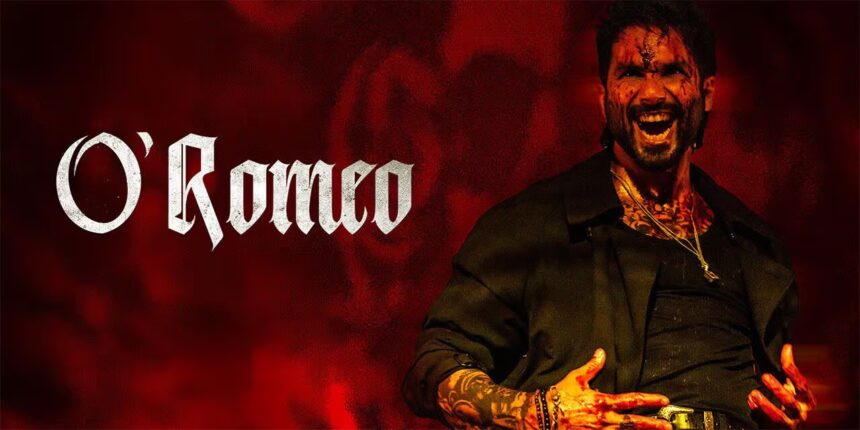
The recently released film O Romeo has witnessed a remarkable start at the Indian box office, drawing audiences across the country and generating significant discussions for its storyline, star performances, and cinematic direction. In just four days since its release, the film has accumulated ₹39.61 crore in total collections, with Monday alone contributing ₹5.10 crore, aided by a special Valentine’s Day promotion. The makers introduced a “Buy One Get One” offer on February 14, enticing couples and movie enthusiasts to flock to cinemas and multiplexes nationwide, amplifying the buzz and boosting footfall significantly. The film, directed by acclaimed filmmaker Vishal Bhardwaj and produced under the banner of Nadiadwala Grandson Entertainment, has been praised for its gripping narrative, stellar performances, and period setting of 1995 Mumbai, where power, crime, and complex human relationships collide, creating a compelling cinematic experience for viewers.
Box Office Performance and Audience Reception
From the outset, O Romeo has performed impressively at the box office, reflecting both its star power and marketing strategies. On its opening day, Friday, the film earned ₹9.01 crore, setting the pace for the weekend. Saturday saw a surge in collections, with the film raking in ₹14.50 crore, indicating strong word-of-mouth publicity and audience engagement. Sunday maintained the momentum with ₹11 crore, and Monday, Valentine’s Day, contributed ₹5.10 crore, bolstered by the “Buy One Get One” ticket offer. This promotional strategy not only encouraged couples to experience the film together but also ensured packed theaters across major metropolitan areas and smaller cities alike. The cumulative total of ₹39.61 crore in just four days highlights the film’s commercial viability, underscoring how a well-timed release, star-studded cast, and strategic promotions can enhance audience interest and translate into tangible box office results. Critics and fans alike have noted that while the weekend collections were impressive, the Valentine’s Day offer significantly contributed to the film reaching new audiences who might otherwise have delayed watching it, demonstrating the effectiveness of innovative marketing techniques in the contemporary cinema landscape.
The film’s reception among viewers has been overwhelmingly positive, particularly for its engaging narrative and period-accurate portrayal of Mumbai in the mid-1990s. Social media platforms and online reviews have amplified the discussion, with audiences praising both the performances and the film’s technical finesse. Shahid Kapoor’s portrayal of Ustara, a dangerous contract killer with his own moral code, has been lauded for its intensity and depth, while Triptii Dimri’s Afshan provides an intriguing foil, creating suspense and emotional complexity throughout the storyline. Nana Patekar’s role as Inspector Khan adds gravitas to the narrative, blending authority, moral ambiguity, and interpersonal tension in a nuanced manner. The chemistry between the lead characters, coupled with a layered plot that balances suspense, action, and drama, has contributed to both critical acclaim and audience admiration.
Storyline, Characters, and Cinematic Appeal
Set against the backdrop of 1995 Mumbai, O Romeo immerses viewers in a world where crime, corruption, and power struggles are both visible and pervasive. Shahid Kapoor’s Ustara inhabits a unique space within this environment, living on an old ship by the sea and navigating a complex moral universe. Though he is a contract killer, Ustara operates under a personal code of conduct, selecting his targets and making choices that reveal both his humanity and ruthlessness. The story intricately portrays the tension between Ustara and Inspector Khan, whose interactions are defined by necessity, mutual respect, and the often ambiguous boundaries between legality and survival.
Afshan’s entry into Ustara’s life introduces an additional layer of intrigue and suspense. Initially appearing to offer a simple contract, her true intentions remain partially hidden, especially in the first half of the film. This narrative ambiguity drives the plot forward, creating a mix of trust, suspicion, and emotional tension between the characters. The film explores themes of loyalty, deception, and the moral compromises inherent in a world governed by both crime and power dynamics. Supporting characters, including Farida Jalal, Vikrant Massey, Disha Patani, Tamannaah, and Avinash Tiwary, contribute to the narrative’s depth, each playing roles that enrich the central conflict and complement the primary storyline. The interplay between personal motivations, professional challenges, and societal pressures adds layers to the viewing experience, allowing audiences to engage both emotionally and intellectually with the unfolding drama.
Director Vishal Bhardwaj’s cinematic vision is evident in the film’s meticulous production design, evocative cinematography, and period-accurate details. The depiction of 1995 Mumbai reflects a time when the city was grappling with the intersection of burgeoning urban growth, organized crime, and socio-political change. From the atmospheric streets to the gritty interiors of the locations, the film captures the essence of the era, immersing viewers in a setting that feels both authentic and narratively compelling. The director’s ability to balance intense action sequences with moments of introspection and character development allows O Romeo to transcend conventional crime dramas, creating a layered cinematic experience that resonates with diverse audiences.
Shahid Kapoor’s performance as Ustara has become a focal point for discussion among film critics and audiences alike. His ability to embody the complexity of a contract killer with a distinct moral compass adds credibility and tension to the storyline. Triptii Dimri’s Afshan challenges the protagonist in ways that are both strategic and emotional, creating a dynamic narrative push-and-pull that sustains suspense throughout the film. Nana Patekar, portraying Inspector Khan, brings a commanding presence that reinforces the stakes and adds moral weight to the narrative. The interplay among these central characters, supported by strong performances from the ensemble cast, creates a rich tapestry of relationships, ethical dilemmas, and personal struggles that elevate the film’s dramatic impact.
In addition to its narrative strengths, O Romeo benefits from a soundtrack and score that enhance the emotional and thematic resonance of key scenes. Music and sound design are employed not just as background elements but as narrative devices, accentuating tension, highlighting emotional beats, and intensifying the cinematic experience. The editing and pacing maintain audience engagement across the film’s runtime, ensuring that suspense and drama unfold in a rhythm that complements the plot while allowing space for character exploration and thematic reflection.
The Valentine’s Day “Buy One Get One” offer demonstrated the producers’ understanding of audience behavior and consumer engagement. This strategy leveraged both the romantic undertones of the film and the cultural moment, drawing couples and groups to theaters in unprecedented numbers. The resulting spike in collections highlighted the synergy between marketing initiatives and audience participation, reinforcing the importance of strategic promotions in driving box office success. The response also illustrates how timely interventions can maximize audience turnout, particularly for films released during festive or culturally significant periods.
As O Romeo continues its theatrical run, industry analysts predict steady collections in the coming weeks, fueled by positive word-of-mouth, critical reviews, and repeat viewership. The film’s combination of period drama, crime narrative, romance, and high-caliber performances ensures that it appeals to a wide spectrum of moviegoers. Discussions on social media, online forums, and entertainment portals have amplified the film’s visibility, contributing to ongoing interest and sustained box office performance. Furthermore, the ensemble cast and the reputation of the director add credibility and anticipation, reinforcing audience trust in the cinematic experience being offered.
Romeo has achieved a strong opening and sustained performance at the box office, combining star power, compelling storytelling, historical authenticity, and innovative marketing strategies. The film’s focus on intricate character dynamics, suspenseful plot development, and period-specific details has created a rich cinematic offering that resonates with both critics and audiences. The strategic Valentine’s Day promotion further augmented collections, demonstrating the importance of creative marketing in modern Indian cinema. As viewers continue to engage with the film, the combination of narrative sophistication, visual authenticity, and emotional resonance is likely to maintain O Romeo as a notable entry in the contemporary cinematic landscape.