Noida–Gautam Buddh Nagar, April 8, 2026:
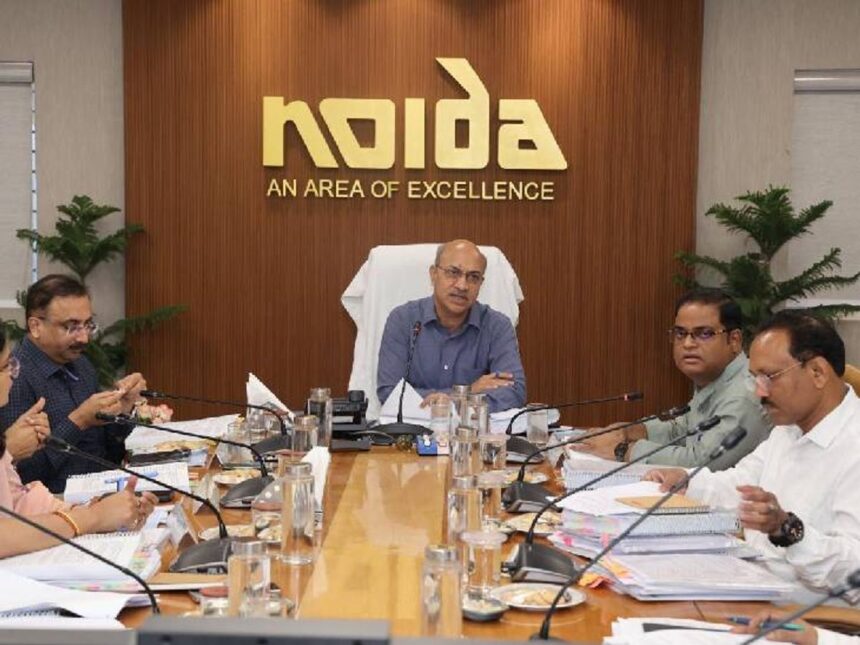
In a major development aimed at strengthening sustainable waste management and clean energy production in Noida, the Noida Authority has granted approval to Indraprastha Gas Limited (IGL) to establish a Compressed Biogas (CBG) plant at Astauli village. The decision was formally approved by the Authority’s Chief Executive Officer, Krishna Karunesh, on 7 April 2026, marking a significant step toward scientific waste processing and renewable fuel generation in the rapidly growing city and its neighboring areas.
CBG Plant to Convert 300 Tonnes of Wet Waste Daily
The newly sanctioned CBG plant is projected to process approximately 300 metric tonnes of wet municipal waste per day, scientifically segregating and treating waste using advanced technology. The facility will convert this organic waste into around 15,000 kilograms (15 tons) of CBG daily, which is expected to be further cleaned and supplied to households and commercial establishments through the Piped Natural Gas (PNG) network managed by IGL.
IGL’s plan involves erecting a 300 thermal decomposition plant (TDP) that will operate under strict environmental compliance and safety standards. Once operational, the plant will not only reduce the burden on landfills but also significantly expand Noida’s renewable fuel capacity—supporting the city’s long-term vision of becoming more eco‑friendly and energy self‑sufficient.
Benefits for Waste Management and Energy Supply
Noida currently generates a substantial quantity of waste daily, and this number is expected to rise with the city’s increasing population. Officials noted that converting wet waste into bio‑CNG will support waste disposal while creating a usable form of clean energy that can supplement existing fuel sources. This plant is designed to serve as a model for integrating waste to energy conversion systems within urban infrastructure.
With properly channelled wet waste going into anaerobic digesters, biodegradable materials are expected to break down and produce methane‑rich biogas. This gas will be upgraded to meet consumer PNG standards and delivered through pipelines, expanding the city’s natural gas availability while reducing dependence on imported or conventional energy sources.
Approval Indicates Progress After Earlier Setbacks
Earlier attempts to implement a similar waste‑to‑energy initiative in Noida had faced delays. A previous Memorandum of Understanding (MoU) with Indo Enviro Integrated Solutions Ltd./Ever Enviro Resource Management Pvt. Ltd. (ERMPL) to build a similar CBG facility did not materialize on the ground and was eventually cancelled by the Noida Authority due to lack of progress. In light of this, IGL’s fresh approval represents renewed commitment from both public and private stakeholders to fulfil Noida’s environmental objectives.
Officials also noted that IGL has requested additional land for future expansion, potentially increasing the plant’s capacity beyond the approved 300 TPD. Plans include a possible CBG‑powered CNG pump to serve local motorists, further enhancing the utility of renewable gas production within the district.
Supporting Citywide Waste to Energy Strategy
This approval forms a part of a broader plan being developed by the Noida Authority to manage solid waste and reduce environmental impact. In recent years, the Authority has been working on several projects, including the establishment of multiple waste processing units and pilot plants. Among these are centralized and decentralized facilities that handle dry and wet waste through composting, bio‑methanation, and mixed waste conversion.
In addition, larger initiatives such as green coal production from waste and legacy waste remediation at Sector 145 are expected to complement the new CBG plant once completed. These combined efforts are geared toward scientific waste management, lower greenhouse gas emissions, and enhanced regulatory compliance as per the Solid Waste Management Rules, 2016.
Environmental and Economic Impact
Experts believe the CBG plant will contribute to both environmental sustainability and energy diversification. By converting waste into fuel, the facility will reduce landfill usage while promoting cleaner fuel alternatives. Such biogas facilities are aligned with India’s national push toward renewable energy, decreased dependence on fossil fuels, and higher adoption of cleaner energy alternatives, including biogas and bio‑methane.
Additionally, the plant’s development could stimulate local employment opportunities in areas such as waste collection, plant operations, logistics, and distribution. It may also encourage waste segregation practices at the household and municipal levels, fostering better civic participation in waste management programmes.
Looking Ahead
The establishment of this CBG plant underscores Noida’s efforts to become a cleaner and more sustainable city. Once commissioned, this facility is expected to make a tangible impact by scientifically handling a major portion of the city’s organic waste and providing a new source of renewable fuel for residents and businesses.
Officials have expressed optimism that the project will set a benchmark for future waste‑to‑energy facilities across Uttar Pradesh and other regions facing similar waste management challenges.