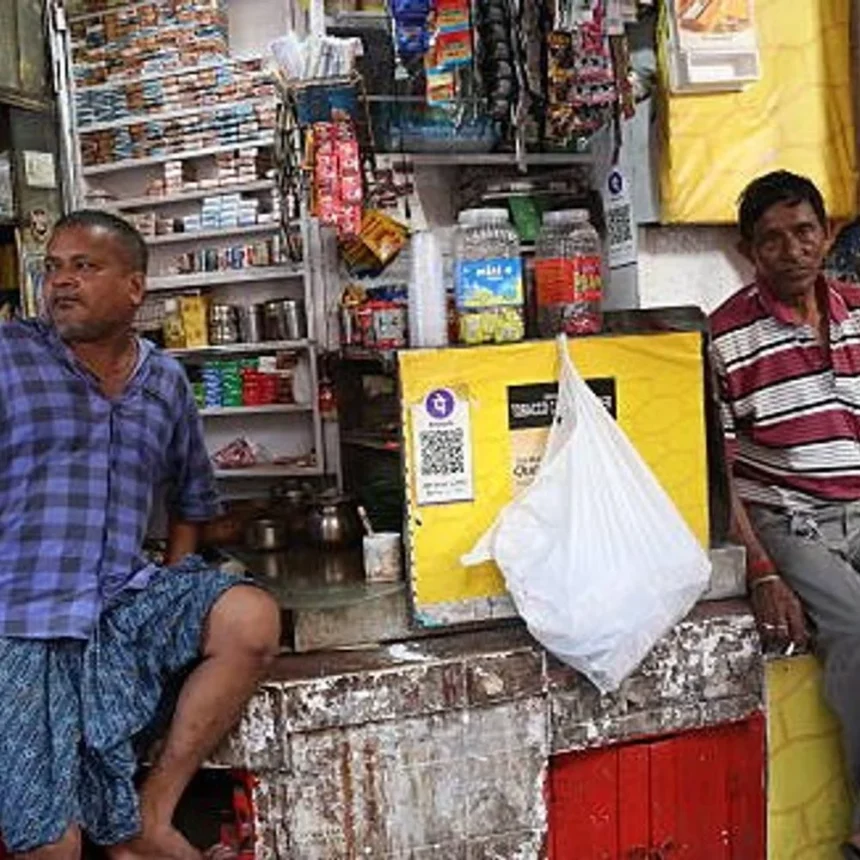
India is preparing for a significant shift in the pricing and taxation of tobacco products after Parliament passed the Central Excise (Amendment) Bill, 2025, a move that is expected to make cigarettes and other tobacco items substantially more expensive and reinforce the government’s broader public health and fiscal objectives.
The new legislation amends the Central Excise Act, 1944, and grants the central government enhanced powers to impose sharply higher excise duties on a wide range of tobacco products, including cigarettes, cigars, chewing tobacco, hookah tobacco, raw tobacco, and scented tobacco. While the government has not officially detailed how much retail prices will rise, tax experts and industry observers agree that the scale of duty increases will inevitably translate into significantly higher costs for consumers, potentially altering consumption patterns over time.
The amendment comes at a time when the government is recalibrating its indirect tax structure following the phased discontinuation of the goods and services tax compensation cess. Tobacco, long classified as a “sin good,” has been placed firmly in the crosshairs of this restructuring, with the new excise framework designed to both preserve revenue flows and discourage consumption through price signals.
Excise duty overhaul and sharp increases across tobacco products
Under the revised excise regime, cigarettes face the steepest hikes, marking one of the most dramatic increases in tobacco taxation in recent years. Excise duties on cigarettes, which earlier ranged between ₹200 and ₹735 per 1,000 sticks depending on size and category, have now been raised to a much higher band of ₹2,700 to ₹11,000 per 1,000 sticks. This represents a multiple-fold jump that is expected to have a direct and immediate impact on pricing strategies adopted by manufacturers.
For smaller filter cigarettes measuring up to 65 mm, the excise duty has been increased from ₹440 per 1,000 sticks to ₹3,000 per 1,000 sticks, reflecting a rise of more than five times the earlier rate. Premium cigarette variants in the 70–75 mm category will see an even steeper escalation, with duties jumping from ₹545 per 1,000 sticks to ₹7,000 per 1,000 sticks. For the largest and most premium categories, duties now extend up to ₹11,000 per 1,000 sticks, underscoring the government’s intent to make cigarettes significantly less affordable.
These increases are not limited to cigarettes alone. Chewing tobacco, which is widely consumed across different income groups, will see its excise duty rate quadruple from 25% to 100%. Hookah tobacco, another growing segment, will face an increase in duty from 25% to 40%. Raw tobacco varieties, including flue-cured Virginia, sun-cured tobacco, and burley tobacco, will also attract higher levies, with duty rates rising from 64% to 70%.
Scented tobacco products such as jarda will continue to be taxed at a high rate of 100%, reinforcing the government’s consistent stance against flavored and scented tobacco products that are often seen as more appealing to younger users. Cut tobacco, which was earlier taxed on a per-kilogram basis, will now be subject to a uniform ad valorem duty of 10%, reflecting a shift toward percentage-based taxation.
Tax professionals note that while the headline excise rates appear extremely steep, they have been calibrated to offset the withdrawal of the GST compensation cess, which previously applied to cigarettes and certain other products. Under the earlier structure, cigarettes were subject to a combination of GST, compensation cess, and excise duty. With the compensation cess being phased out, the government has used excise duty as the primary lever to maintain, and in some cases increase, the overall tax incidence on tobacco products.
The effective date for the implementation of the new excise rates is yet to be officially notified, but industry participants are already factoring the changes into their pricing and inventory strategies. Once notified, manufacturers are expected to revise retail prices upward to account for the higher tax burden.
Public health goals, revenue sharing and assurances to farmers
The government has positioned the new excise law as both a public health intervention and a fiscal necessity. Tobacco consumption remains a major public health concern in India, contributing to a large number of preventable deaths each year and placing a heavy burden on the healthcare system. By sharply increasing taxes, policymakers aim to reduce affordability, particularly for price-sensitive consumers, and thereby discourage consumption over the long term.
At the same time, the government has been careful to address concerns related to revenue distribution and the livelihoods of those dependent on the tobacco economy. Finance Minister Nirmala Sitharaman assured Parliament that the additional revenue generated from higher excise duties would be shared with states in accordance with Finance Commission recommendations, ensuring that states do not lose out as the tax structure evolves.
She also emphasized that the legislation is not intended to adversely affect tobacco farmers or beedi workers, many of whom rely on tobacco cultivation and processing for their livelihoods. The government, she said, continues to support crop diversification programs aimed at helping farmers gradually transition to alternative crops. These initiatives are designed to reduce long-term dependence on tobacco while providing sustainable income options for farming communities.
According to the government’s framing, the objective is not to make cigarettes or tobacco products more accessible, but rather to make them less attractive and less affordable, particularly to younger consumers and first-time users. The excise hike aligns with global public health recommendations that call for higher taxes as one of the most effective tools to reduce tobacco consumption.
From a fiscal perspective, the new excise structure also provides the government with additional revenue flexibility following the cessation of the earlier compensation cess. Analysts suggest that the move allows the government to maintain a steady flow of funds while simplifying the tax architecture by relying more heavily on excise duty for specific products.
Industry observers expect tobacco manufacturers to respond by passing on a substantial portion of the increased tax burden to consumers through higher prices. While premium brands may absorb part of the increase in the short term, sustained margins are likely to require price revisions across categories. This could lead to a contraction in volumes, especially in lower-priced segments, as consumers reassess affordability.
Health advocates argue that such price increases are essential to bringing India closer to international benchmarks. At present, total taxes on cigarettes account for a little over half of the retail price, which is lower than the level recommended by global health bodies to effectively deter consumption. With the new excise duties combined with the existing 40% GST, the overall tax share in cigarette prices is expected to rise significantly, aligning India more closely with global best practices.
As the industry and consumers await formal notification of the implementation date, the passage of the Central Excise (Amendment) Bill, 2025, marks a decisive step in India’s approach to tobacco regulation. It signals a clear policy choice to use taxation as a tool not only for revenue generation but also for influencing public behavior, with far-reaching implications for manufacturers, consumers, and the broader public health landscape.