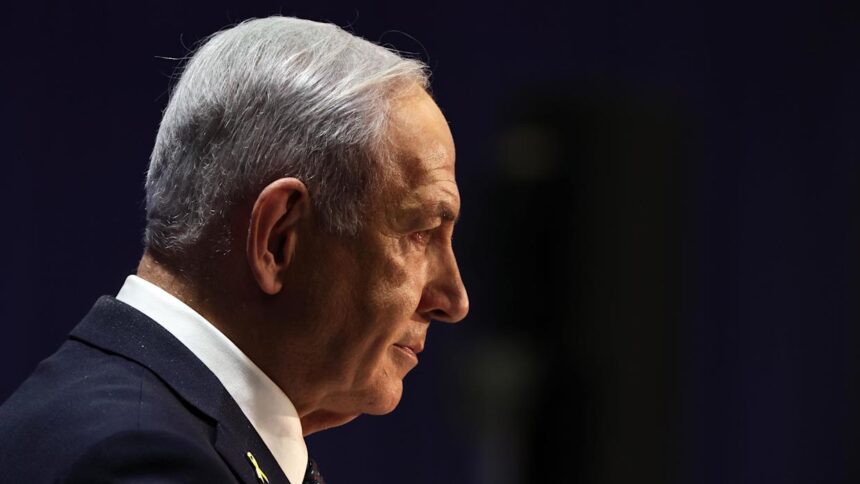
Israeli Prime Minister Benjamin Netanyahu has strongly criticized an ongoing investigation into alleged financial ties between his aides and Qatar, calling it a “political witch hunt.” His remarks come after Israeli police arrested two close associates—one a senior adviser and the other a former spokesman—on suspicion of financial misconduct and illicit ties with a foreign agent. Benjamin Netanyahu, who has not been named as a suspect, accused law enforcement of using his aides as “hostages” to undermine his leadership, further fueling tensions amid growing protests against his government.
The arrests are part of an inquiry dubbed “Qatar-gate,” which has sparked political turmoil in Israel. The suspects, identified as Yonatan Urich and Eli Feldstein, are accused of money laundering, bribery, fraud, and breach of trust. Israeli authorities suspect that the two men facilitated a financial arrangement between a U.S.-based lobbying firm working for Qatar and an Israeli businessman, with funds allegedly funneled to Feldstein. Investigators believe this was part of a larger effort to portray Qatar positively in Israeli media while casting Egypt, another key mediator in the Gaza ceasefire negotiations, in a negative light.
Benjamin Netanyahu responded to the arrests by cutting short his separate corruption trial to provide testimony to police. He later released a video condemning the investigation, stating, “There is no case, just a political witch hunt.” His Likud party also accused the attorney general’s office and Israel’s Shin Bet security agency of orchestrating a campaign to extract false testimony against the prime minister. On Tuesday, a judge extended Urich and Feldstein’s detention by three days, citing “reasonable suspicions” that warranted further investigation.
Qatar has dismissed the allegations, with a government official calling the probe a “smear campaign” meant to discredit its role as a mediator between Israel and Hamas. The Gulf nation has been a crucial player in ceasefire negotiations and has provided financial aid to Gaza for years. Critics argue that such aid has indirectly strengthened Hamas, while supporters contend it has helped alleviate humanitarian suffering.
Meanwhile, Benjamin Netanyahu faces mounting domestic challenges, including protests over his handling of the Gaza conflict, his controversial judicial overhaul plan, and the recent dismissal of Shin Bet chief Ronen Bar. The Supreme Court has temporarily blocked Bar’s removal, pending a final ruling. In a further twist, Benjamin Netanyahu has reversed his decision to appoint former navy commander Eli Sharvit as the new Shin Bet chief, after political and international backlash.
With tensions rising both domestically and internationally, the Qatar-gate scandal adds another layer of complexity to Benjamin Netanyahu’s already embattled leadership, keeping political observers on edge about its potential impact on Israel’s government and security policies.