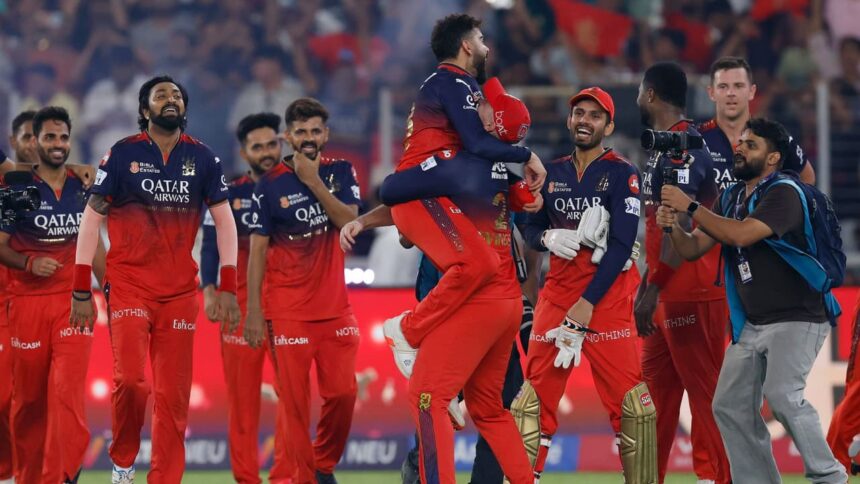
The Royal Challengers Bengaluru (RCB) franchise has encountered a significant obstacle in planning its home matches for the 2026 Indian Premier League (IPL) season. The team, led by iconic Indian cricketer Virat Kohli, had initially aimed to use Navi Mumbai’s DY Patil Stadium as its temporary home ground following the ongoing uncertainties surrounding Bengaluru’s Chinnaswamy Stadium. However, the Mumbai Indians (MI), who operate from the nearby Wankhede Stadium, have declined to grant the required approval for RCB to base its matches at DY Patil. This refusal has created a complex situation for the franchise, forcing it to urgently explore alternative venues while balancing logistical, fan engagement, and competitive considerations. The development comes amid heightened sensitivities around stadium safety and crowd management, a legacy of past incidents that have shaped both administrative decisions and public expectations.
Stadium Access Denial and Its Implications for RCB
The decision by MI to withhold the No Objection Certificate (NOC) for RCB’s use of DY Patil Stadium has effectively removed Navi Mumbai from immediate consideration as a home venue for the upcoming IPL season. According to official statements and reports, the proximity of DY Patil Stadium to MI’s Wankhede home ground necessitates that any franchise intending to establish its base in the area must seek permission from the operating franchise. The refusal underscores both the operational authority that franchises hold over local venues and the broader complexities inherent in stadium sharing arrangements within Indian cricket.
RCB’s interest in DY Patil Stadium was driven by multiple factors. Following the tragic stampede in Bengaluru on June 4, during celebrations of an RCB IPL victory, where eleven individuals lost their lives, the Karnataka state government had imposed stricter controls on large gatherings at Chinnaswamy Stadium. This led to a reshuffling of matches for domestic tournaments, including the Vijay Hazare Trophy and the Women’s World Cup, highlighting the administrative challenges associated with hosting large-scale sporting events in densely populated urban centers. Despite subsequent government approval in January for KSCA to host IPL and international fixtures at Chinnaswamy, reports indicated that RCB itself was hesitant to host matches there, potentially due to safety concerns, fan accessibility, and logistical challenges.
With DY Patil Stadium now inaccessible due to MI’s decision, RCB faces the pressing need to identify alternative locations that satisfy IPL operational requirements, provide adequate facilities for players and fans, and align with broader strategic goals. MI’s response emphasized the availability of multiple stadiums across India, suggesting that RCB should consider other options rather than focusing exclusively on Navi Mumbai. This perspective reflects the competitive and administrative dynamics between franchises, especially when home ground proximity could impact branding, fan engagement, and regional support.
Alternative Venues and Strategic Considerations for IPL 2026
In response to the DY Patil setback, RCB initiated discussions with other state authorities to secure suitable venues for the upcoming season. Notably, the franchise engaged with the Chhattisgarh government in January to explore the possibility of hosting at least two home matches in Raipur. This engagement reflects RCB’s proactive approach in diversifying venue options and mitigating the impact of MI’s refusal. Raipur, with modern stadium facilities and logistical advantages, emerged as a potential secondary base, allowing RCB to maintain fan accessibility while adhering to IPL operational standards.
Simultaneously, Indore has re-emerged as a strong contender to host RCB’s remaining matches. Previously considered in initial venue discussions, Indore’s infrastructure, regional fan base, and relative geographic neutrality make it an attractive alternative. With DY Patil Stadium ruled out, RCB is actively evaluating Indore as a primary location, which would enable the team to manage travel logistics, stadium operations, and fan engagement effectively. The decision-making process involves careful coordination with the Madhya Pradesh cricket authorities, local government, and the IPL governing council to ensure compliance with scheduling, safety, and broadcasting requirements.
The challenges faced by RCB illustrate the broader complexities of managing franchise cricket in India, particularly when teams operate in regions with overlapping fan bases and proximity to other major franchises. The refusal of MI to approve DY Patil usage highlights the intricate balance between franchise autonomy, regional considerations, and league-wide operational consistency. Moreover, the episode underscores the impact of historical incidents on administrative decision-making, demonstrating how safety, public perception, and regulatory oversight continue to shape venue selection and event planning in Indian cricket.
As RCB continues its search for viable home grounds, the franchise must weigh multiple factors, including player convenience, fan turnout, broadcasting logistics, and competitive fairness. The inability to use DY Patil may require adjustments in scheduling, training camps, and promotional activities, all of which are critical for maintaining performance standards and fan engagement. Meanwhile, MI’s position reflects a strategic emphasis on protecting the integrity and branding of its local operations, ensuring that shared stadium usage does not create conflicts or dilute regional support.
The ongoing scenario also illustrates the evolving relationship between IPL franchises and state authorities. Engaging with governments to secure approvals, navigate logistical challenges, and ensure compliance with safety regulations has become an integral part of operational planning. RCB’s engagement with Chhattisgarh and Madhya Pradesh governments demonstrates the importance of proactive negotiation and regional collaboration in establishing temporary home bases, particularly when primary venues are unavailable or deemed unsuitable.
Furthermore, the situation reveals how IPL franchises must remain agile and responsive to both regulatory developments and inter-franchise dynamics. The refusal by MI emphasizes that operational permissions are not solely administrative formalities but also strategic decisions that can influence the competitive and commercial landscape of the league. For RCB, this means that securing alternative venues is not merely a logistical exercise but also a strategic imperative to ensure continuity, fan support, and on-field competitiveness.
Overall, RCB’s efforts to identify suitable alternative venues reflect the complexities and high stakes involved in managing a modern IPL franchise. The challenges encompass regulatory approvals, stakeholder coordination, fan engagement strategies, and operational logistics, all while balancing competitive performance and safety considerations. The exclusion of DY Patil Stadium adds urgency and complexity, prompting the franchise to finalize arrangements that will enable it to host matches effectively while maintaining the team’s brand identity and fan base.
The narrative surrounding RCB and MI underscores the interplay between franchise autonomy, regional dynamics, and league governance. It illustrates how strategic decisions around stadium usage can have ripple effects across operational planning, scheduling, and commercial partnerships. For fans, players, and administrators, these developments highlight the importance of early planning, collaboration with state authorities, and the need for clear communication between franchises to ensure smooth execution of the IPL season.
In navigating these challenges, RCB is likely to continue prioritizing venues that balance accessibility, safety, infrastructure quality, and competitive integrity. The final selections will need to accommodate matchday operations, broadcasting requirements, player preparation, and fan experience, all while adhering to IPL guidelines and government regulations. Indore and Raipur now emerge as the most viable alternatives, providing the franchise with a geographically dispersed yet operationally feasible solution.
The decision-making process also involves assessing stadium facilities, crowd management capabilities, local fan engagement potential, and regional sponsorship opportunities. RCB’s management must coordinate with multiple stakeholders, including local cricket associations, government authorities, IPL officials, security agencies, and broadcasting partners, to ensure that the selected venues meet league standards and provide a safe, engaging environment for players and fans.
RCB’s quest for a suitable home base for IPL 2026 exemplifies the multifaceted nature of franchise cricket management in India. While MI’s refusal to grant DY Patil access has created a significant hurdle, it has also prompted the franchise to explore strategic alternatives that could strengthen its regional presence, operational resilience, and long-term fan engagement. The scenario highlights the broader dynamics of venue allocation, franchise collaboration, and governance that underpin the IPL as a premier sporting league.