In a startling development during the ongoing preparations for the Vice Presidential election, Jacob Joseph, a resident of Kerala, has had his nomination rejected after it was discovered that the papers he submitted contained forged signatures and names of Members of Parliament. The incident has drawn significant attention in political circles, raising questions about the vigilance and verification processes involved in the nomination procedure. Joseph’s submission included the names and signatures of 22 proposers and 22 supporters, all drawn from both the Lok Sabha and the Rajya Sabha, but the MPs concerned were unaware of any such endorsement. The revelation not only undermines the credibility of the individual candidate but also casts a spotlight on potential vulnerabilities in the administrative handling of election nominations for one of the highest constitutional offices in India. The case has now been referred to the Rajya Sabha Secretariat for further action, highlighting the procedural checks that follow in such instances of electoral misconduct.
The controversy emerged during the formal scrutiny of nominations, which is a critical stage in ensuring that candidates for the Vice Presidential post meet the constitutional and legal requirements for the office. The last date for filing nominations was August 21, and a total of 46 candidates submitted 68 nomination papers for consideration. During the initial scrutiny, 28 nomination papers belonging to 19 candidates were rejected, leaving 40 nominations from 27 candidates for detailed examination on August 22. Among these submissions, only two candidates—C P Radhakrishnan and B Sudarshan Reddy—were found to have valid and complete nomination papers, each having filed four papers in compliance with the prescribed regulations. Jacob Joseph’s nomination, in contrast, stood out due to the fraudulent inclusion of MPs’ names and signatures, which were not authorized or known to the concerned parliamentarians. The irregularities were detected as part of the routine verification process conducted by the returning officers, emphasizing the importance of careful scrutiny in upholding the integrity of the electoral process.
Forged Signatures and Procedural Lapses
The nomination submitted by Jacob Joseph listed 22 proposers and 22 supporters, all members of the Indian Parliament, which should have lent the application a sense of legitimacy. However, it was quickly discovered that none of the MPs had provided consent for their names or signatures to be used. The situation was further complicated by the inclusion of YSRCP MP Midhun Reddy’s signature, who is currently incarcerated. The presence of a jailed MP’s signature not only confirmed the fraudulent nature of the submission but also intensified the political and legal implications of the case. In parliamentary elections and nominations for high constitutional offices, such falsification is treated as a serious violation, potentially inviting criminal proceedings under the Representation of the People Act, 1951. The authorities’ detection of the forgery demonstrates the robustness of certain procedural checks, but it also raises concerns about the potential for similar incidents in the future if oversight mechanisms are not continuously reinforced.
The scrutiny process in the Vice Presidential election is designed to ensure that all candidates meet constitutional and statutory conditions. The returning officers carefully review each nomination to verify signatures, consent, and other necessary documents submitted by proposers and seconders. In the case of Jacob Joseph, the examination revealed that multiple MPs listed in his papers had no knowledge of their inclusion, effectively invalidating the entire nomination. The legal framework surrounding nominations is clear in emphasizing that a candidate must have genuine endorsements, with MPs’ signatures serving as a formal declaration of support. The detection of false signatures therefore not only nullified Joseph’s candidacy but also highlighted the potential challenges election officials face in verifying authenticity in a high-stakes electoral context.
Political observers have noted that such incidents, while rare, have the potential to create unnecessary confusion and distractions during a period when attention should be focused on policy, debate, and the electoral process itself. The deliberate inclusion of forged endorsements can mislead both officials and the public, giving the appearance of broader support than actually exists. In Joseph’s case, the forgery could have impacted perceptions regarding his credibility and seriousness as a candidate had it gone undetected. Furthermore, the involvement of prominent MPs, including one currently in jail, underscores the sensitivity of nomination procedures and the need for meticulous verification to prevent misuse. This incident may prompt election authorities to consider additional safeguards to ensure that such anomalies are detected even earlier in the process, maintaining public confidence in the electoral system.
Implications for the Vice Presidential Election and Electoral Governance
The rejection of Jacob Joseph’s nomination carries implications not only for the individual candidate but also for the wider electoral process surrounding the Vice Presidential election. With the final scrutiny process completed, only two candidates—C P Radhakrishnan and B Sudarshan Reddy—remain in the fray, both of whom had their nominations verified and deemed valid. The exclusion of Joseph from the race serves as a reminder of the rigorous requirements and the legal obligations candidates must fulfill in order to participate in elections for constitutional offices. While the rejection itself is a procedural outcome, it also generates a broader discussion about electoral ethics, accountability, and the standards expected of candidates in India’s democratic framework.
Experts suggest that incidents like this reinforce the importance of adherence to established rules and the critical role of electoral oversight. The filing of forged nominations represents a direct challenge to the principle of fair and transparent elections, potentially undermining public trust if not addressed promptly. Election authorities are tasked not only with verifying documents but also with ensuring that candidates act in accordance with legal and ethical standards. By rejecting Joseph’s papers, the returning officers have reaffirmed the integrity of the nomination process while sending a clear message that fraudulent practices will not be tolerated. The case may also trigger legal proceedings to investigate the extent and intent of the forgery, thereby strengthening mechanisms for accountability and deterrence.
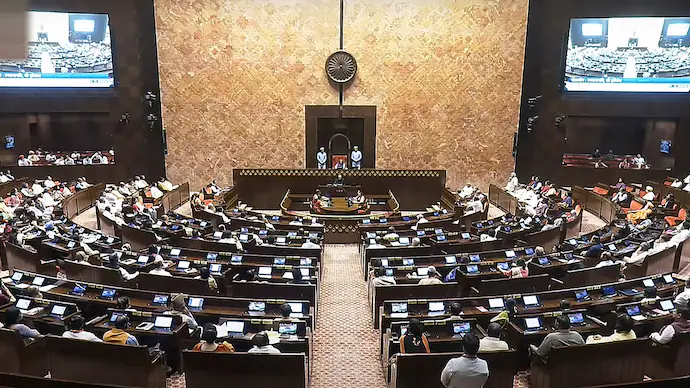
In addition to the procedural and legal dimensions, this episode carries political significance. The Vice Presidential election, scheduled for September 9, is closely watched due to the symbolic and functional importance of the office, which presides over the Rajya Sabha and plays a crucial role in parliamentary governance. Any attempt to manipulate or falsify nominations can influence public perception of the electoral process, making strict enforcement of rules imperative. The swift rejection of Joseph’s nomination ensures that the election proceeds with candidates who meet the eligibility criteria and maintain the dignity of the office. Furthermore, the transparency displayed in the scrutiny process helps maintain public confidence in the impartiality and diligence of election officials.
The Jacob Joseph case also highlights the broader challenges faced by India’s democratic institutions in balancing accessibility with accountability. While the Constitution and electoral laws provide avenues for citizens to participate in high office elections, they also demand that candidates demonstrate integrity, honesty, and compliance with statutory requirements. The nomination procedure acts as a first filter to ensure that only serious and credible individuals are considered. When candidates attempt to circumvent these rules through forgery or deception, it not only undermines the election process but also calls attention to the need for continuous monitoring, technological verification, and administrative vigilance.
As the Rajya Sabha Secretariat and election authorities review the incident further, it is expected that additional measures may be discussed to prevent recurrence. Such measures could include stricter verification protocols, mandatory digital authentication of signatures, and clearer communication between proposers, seconders, and returning officers. Ensuring robust checks at each stage of the nomination process will help mitigate the risk of fraudulent submissions, reinforcing the integrity and credibility of elections for constitutional offices.
The incident also serves as a learning point for political parties, candidates, and observers regarding the ethical dimensions of electoral participation. While the act of filing a nomination is intended to reflect genuine support and democratic engagement, the deliberate falsification of endorsements not only breaches legal norms but also violates the trust placed in candidates by both the electorate and the parliamentary system. By rejecting Jacob Joseph’s nomination, election authorities have reaffirmed the principle that adherence to constitutional and procedural rules is non-negotiable, thereby safeguarding the credibility of the electoral process.
Jacob Joseph’s rejected nomination in the Vice Presidential election underscores the importance of rigorous scrutiny, adherence to legal standards, and vigilance in the electoral process. The forged signatures of 22 MPs, including one currently incarcerated, highlight the challenges that election officials face in maintaining integrity and credibility. With only two candidates remaining with valid nominations, the Vice Presidential race continues in a structured and transparent manner, reflecting the strength of India’s democratic institutions. The case serves as a reminder of the responsibilities of candidates, the importance of ethical conduct, and the critical role of election authorities in ensuring fair, transparent, and credible elections for the highest constitutional offices in the country.