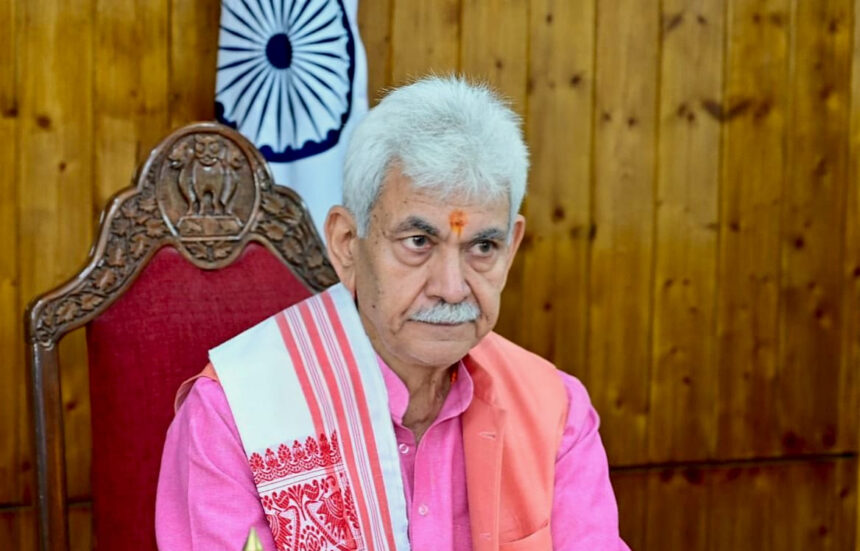
In a significant outreach to families devastated by terrorism, Jammu and Kashmir Lieutenant Governor Manoj Sinha has handed over government appointment letters to more than 150 next of kin (NoKs) of civilians killed in terror-related violence. With this initiative, the administration seeks to provide long-overdue closure and support to the families who have borne the trauma of militancy in the region. The initiative marks a key step in healing decades of pain suffered silently by residents of the Union Territory.
The appointment letters were distributed during an official ceremony held in north Kashmir’s Baramulla district on July 13 and later continued in successive events. In total, 158 families received letters of appointment on compassionate grounds, with 40 of them from Baramulla alone. This measure is part of the broader commitment by the administration to support victims of terrorism and acknowledge their enduring suffering.
Restoring Dignity to Victims’ Families
While addressing the gathering during the appointment letter distribution event, L-G Manoj Sinha underlined the emotional and symbolic importance of the moment. He shared harrowing accounts of families shattered by militant violence, many of whom had never received any form of recognition or help.
“Wounds that have persisted for decades are now being healed,” L-G Manoj Sinha remarked, describing the event as a step towards restoring the dignity of those affected. “Today’s landmark event provides a sense of closure to the families who have silently suffered trauma for years,” he added. He reiterated his government’s promise to continue working for the rehabilitation of these families and to ensure that those responsible for such violence are brought to justice.
The L-G also issued a stern warning to those who support or sympathize with terrorism. “We will ensure the harshest possible punishment to terror sympathisers. Perpetrators of heinous crimes will not be spared,” he stated firmly.
For years, the families of terror victims have lived in the shadows of grief and neglect. Many lost their sole breadwinners, while others struggled with psychological and financial hardship. With these appointments, the administration hopes to not only provide jobs but also a renewed sense of purpose and belonging to those affected.
Digital Push for Better Governance and Transparency
Furthering the efforts to bring transparency and systematic support to the victims of terrorism, the L-G launched a web portal on July 22. Developed by the Home Department in collaboration with the National Informatics Centre (NIC), the portal aims to centralize data of terrorism-affected families on a district-wise basis.
This digital platform will serve as a comprehensive record of affected families and ensure timely and targeted support in the future. Officials believe that having such a database will eliminate bureaucratic delays, enhance coordination among departments, and provide a transparent mechanism to track government assistance.
The portal is expected to play a pivotal role in implementing various welfare schemes for these families, including educational aid, financial support, and mental health counselling. The L-G emphasized that this digital transformation is part of his broader vision for accountable governance in Jammu and Kashmir.
The twin initiatives of job appointments and a centralised digital portal represent a policy shift towards recognising the human cost of terrorism and addressing it through concrete, compassionate action. They also signal the administration’s intent to move beyond symbolic gestures and implement long-term institutional solutions.
In recent years, the Jammu and Kashmir administration under L-G Manoj Sinha has launched multiple programmes focusing on welfare and rehabilitation. However, the outreach to terror victims’ families is seen as one of the most impactful steps yet in addressing the legacy of violence in the region.
The emphasis is not just on economic rehabilitation but also on emotional healing, as government officials now engage more directly with affected communities. By ensuring employment and launching digital platforms to streamline assistance, the administration is attempting to turn a new page in its approach to public welfare in a conflict-ridden area.
As the families step into new roles within the government setup, this effort could also become a model for other conflict-affected regions in India and beyond, where the scars of violence run deep and healing requires more than words. It requires action, empathy, and sustained support—a path that Jammu and Kashmir now appears determined to walk.