Jaishankar’s europe visit reflects india’s focus on strategic partnerships, global diplomacy, and emerging technology cooperation.
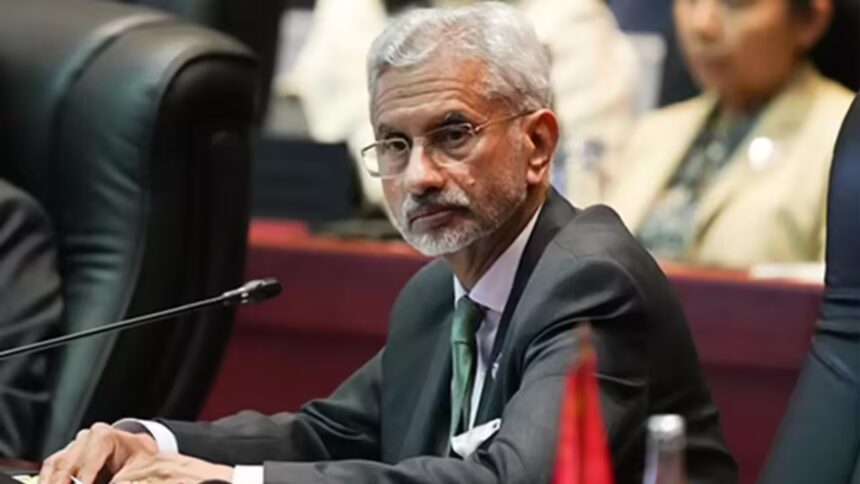
External affairs minister S. Jaishankar has begun a six-day official visit to france and luxembourg, underlining india’s sustained diplomatic engagement with europe at a time of heightened global uncertainty. The visit, which started on january 4, comes amid rapidly evolving geopolitical developments and aims to strengthen bilateral ties, review progress in strategic partnerships, and exchange views on pressing regional and international issues. With europe emerging as a key pillar of india’s foreign policy outreach, the trip reflects new delhi’s intent to remain actively engaged in shaping global conversations on security, technology, and economic cooperation.
Strategic partnership with france amid global geopolitical shifts
France occupies a central place in india’s european diplomacy, anchored in a long-standing strategic partnership that spans defence, space, civil nuclear cooperation, climate action, and emerging technologies. During his stay in paris, jaishankar is scheduled to meet senior french leadership and hold detailed discussions with foreign minister Jean-Noël Barrot, focusing on both bilateral priorities and broader global developments.
The ministry of external affairs has indicated that the talks will review progress achieved under the india–france strategic partnership and explore avenues to further deepen cooperation. Over the years, the relationship has evolved from traditional defence collaboration to a more comprehensive partnership encompassing innovation, digital governance, clean energy, and people-to-people exchanges. This diversification has helped insulate the partnership from short-term geopolitical fluctuations while enhancing its long-term relevance.
Jaishankar’s visit to france also takes place against the backdrop of growing international concern over recent developments in latin america, particularly reports surrounding a united states military operation involving venezuela’s president nicolás maduro and his wife. While india has not publicly commented on the specifics, the broader context of global instability is expected to feature in discussions with french counterparts, especially on issues related to international law, sovereignty, and the evolving nature of global power dynamics.
A key focus of the paris leg of the visit is preparation for french president Emmanuel Macron’s upcoming trip to india next month. President macron is expected to visit new delhi to participate in the weeklong 2026 ai impact summit, a flagship global event aimed at shaping governance frameworks and ethical standards for artificial intelligence. The summit builds on earlier cooperation between the two countries in the digital and technology domains, including the ai summit co-chaired by prime minister Narendra Modi and president macron in paris last year.
By laying the groundwork for this visit, jaishankar’s discussions are expected to align priorities on artificial intelligence, digital public infrastructure, and technology-driven development. France has emerged as one of india’s most consistent partners in advocating for inclusive and human-centric approaches to emerging technologies, making collaboration in this area strategically significant for both countries.
In addition to bilateral meetings, jaishankar will address the 31st edition of the french ambassadors’ conference, an annual gathering that brings together france’s diplomatic leadership from across the world. His address is expected to outline india’s foreign policy priorities, its perspective on global challenges, and the role of india–france cooperation in addressing shared concerns such as climate change, maritime security, and multilateral reform. Engagement at such forums allows india to directly communicate its worldview to a broader european and global diplomatic audience.
Engagement with luxembourg and expanding india–europe cooperation
Following his engagements in france, jaishankar will travel to luxembourg, marking another important dimension of india’s european outreach. Although smaller in size, luxembourg plays a significant role in global finance, investment flows, and multilateral diplomacy. India’s engagement with the grand duchy reflects a recognition that partnerships with smaller but influential countries can yield tangible economic and strategic benefits.
In luxembourg, jaishankar is scheduled to hold talks with foreign minister Xavier Bettel, who also serves as the country’s deputy prime minister. Discussions are expected to cover bilateral cooperation in areas such as finance, investment, space technology, and innovation, as well as regional and global issues of mutual interest. Luxembourg has emerged as a key hub for investment funds and financial services, making it an important partner for india as it seeks to attract long-term capital for infrastructure and development projects.
The visit also underscores india’s broader strategy of deepening engagement with the european union and its member states through both bilateral and multilateral channels. In recent years, india has sought to balance its relations across major global centres of power, viewing europe as an essential partner in a multipolar world. Engagements with countries like france and luxembourg contribute to building a dense network of relationships that support india’s economic growth, technological ambitions, and strategic autonomy.
Jaishankar is also expected to interact with members of the indian community during his visit to luxembourg, reinforcing the importance of diaspora engagement in india’s foreign policy. The indian diaspora often acts as a bridge between countries, facilitating cultural understanding, economic ties, and political goodwill. Such interactions highlight the human dimension of diplomacy, complementing high-level political discussions.
The timing of the europe visit is particularly notable given the shifting global landscape. Issues such as great power competition, conflicts in multiple regions, supply chain realignments, and debates over global governance structures are reshaping international relations. For india, maintaining active dialogue with european partners is essential to navigating these changes while safeguarding national interests. France’s role as a resident power in the indo-pacific and luxembourg’s influence in financial and multilateral institutions add further strategic weight to the engagements.
Through this six-day visit, india signals continuity and confidence in its european partnerships. The discussions in paris and luxembourg are expected to reinforce shared commitments to multilateralism, rules-based international order, and cooperation in emerging domains such as artificial intelligence and climate finance. At a time when global diplomacy is increasingly shaped by uncertainty, jaishankar’s engagements reflect india’s emphasis on dialogue, strategic alignment, and proactive diplomacy.