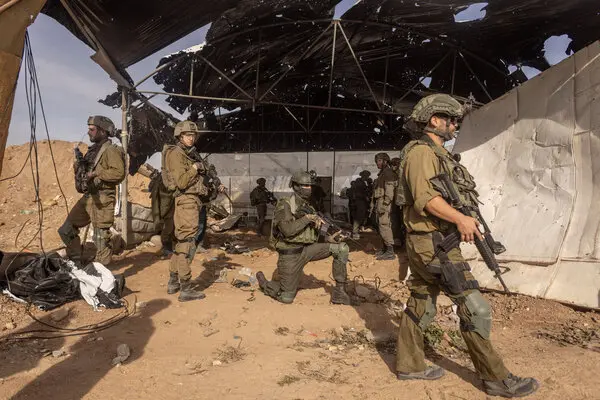
In response to growing fears of legal repercussions for Israeli soldiers abroad, the Israeli military has introduced stricter regulations regarding media coverage of active duty personnel. The new restrictions come as concerns rise over the potential prosecution of reservists traveling internationally, particularly in relation to allegations of war crimes linked to their actions in Gaza.
The move follows a recent incident involving an Israeli reservist who was vacationing in Brazil. The reservist was forced to leave the country abruptly after a Brazilian judge ordered federal police to investigate claims made by a pro-Palestinian group. The group alleged that the reservist had committed war crimes while serving in Gaza. This incident has sparked heightened concern within Israel about the potential for legal action against military personnel who travel abroad.
Under the newly implemented media rules, soldiers of the rank of colonel and lower will no longer be allowed to have their full names or faces displayed during interviews. This is similar to existing restrictions that apply to pilots and special forces members. Lieutenant Colonel Nadav Shoshani, an Israeli military spokesperson, emphasized that the guidelines aim to protect soldiers from being identified and linked to specific combat events they participated in.
Shoshani explained that these new measures are designed to ensure the safety of Israeli soldiers, shielding them from incidents orchestrated by anti-Israel activists around the world. He clarified that the new guidelines are an extension of existing military regulations, which already prohibit soldiers from posting videos and images from war zones on social media. However, Shoshani acknowledged that enforcing these rules can be challenging due to the large size of the Israeli military.
The Israeli military spokesperson also noted that activists and groups, such as the Belgium-based Hind Rajab Foundation, have been instrumental in pushing for investigations against Israeli soldiers. These groups have been actively linking soldiers who posted material from Gaza with later images or videos of themselves taken while on holiday abroad, which has fueled calls for legal actions.
The controversy surrounding Israeli soldiers and their alleged involvement in war crimes has escalated in recent months, particularly following the issuance of arrest warrants by the International Criminal Court (ICC). Last year, the ICC sought to prosecute Israeli Prime Minister Benjamin Netanyahu, former Defense Minister Yoav Gallant, and Hamas leader Ibrahim Al-Masri for alleged war crimes related to the Gaza conflict. This move drew significant backlash from Israel, where the legal actions were viewed as politically motivated.
Despite the heightened scrutiny, Shoshani stated that there have been only a “handful” of cases where reservists traveling abroad have faced potential legal action. He acknowledged the role of activist groups in encouraging investigations but assured that no formal charges had been filed against the soldiers in question.
The Israeli military’s decision to tighten media regulations is seen as a defensive measure in light of growing international criticism and pressure surrounding the ongoing conflict in Gaza. While the new rules aim to shield soldiers from potential legal action, they also highlight the increasingly complex relationship between social media, international law, and the portrayal of military operations in global public discourse.