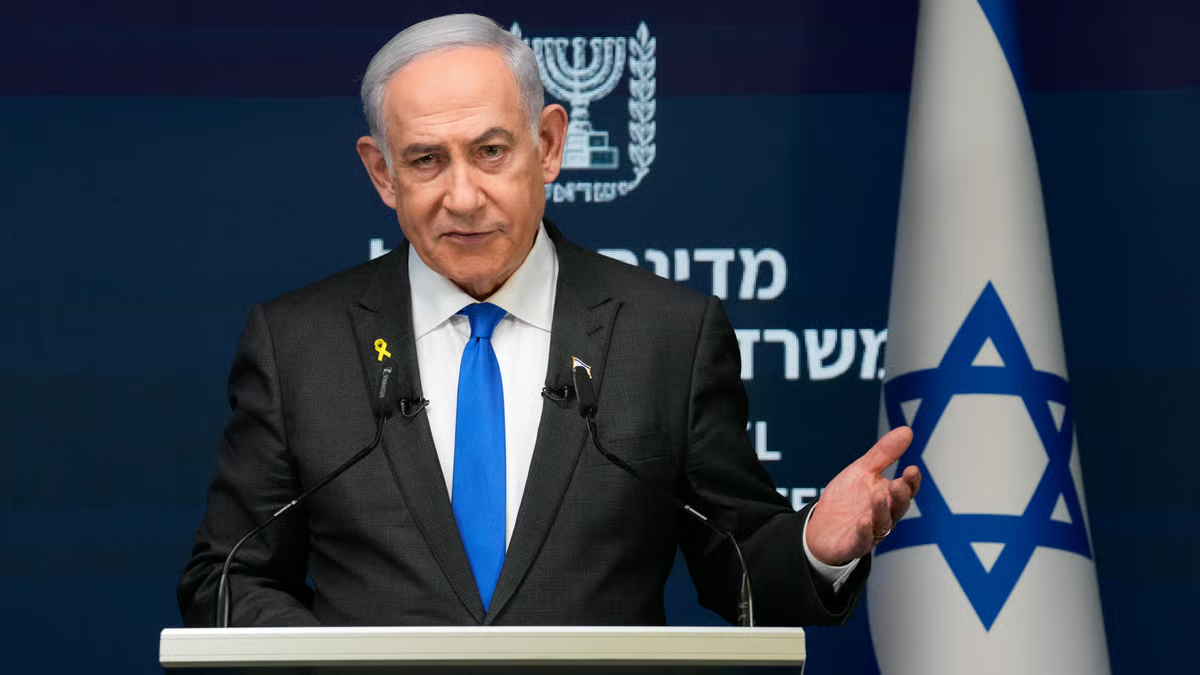
The escalating conflict between Israel and Iran-backed Houthi forces in Yemen reached a new peak on Sunday, as the Israeli Air Force conducted a series of targeted airstrikes against key installations in Yemen’s capital, Sanaa. Speaking from the Israeli Air Force command centre in Tel Aviv, Prime Minister Benjamin Netanyahu issued a stark warning to the Houthis, emphasizing Israel’s readiness to respond decisively to any threats or planned attacks. The strikes, which included attacks on military compounds, fuel depots, and power stations, underscore the intensifying regional tensions and the potential for a broader confrontation in the Middle East. Benjamin Netanyahu’s remarks highlighted Israel’s strategic doctrine of pre-emptive and retaliatory action, emphasizing that any entity planning aggression against Israel will face severe consequences. The airstrikes have not only resulted in casualties but also raised questions about the humanitarian impact on the civilian population and the escalating cycle of retaliation between regional actors.
The decision by Israel to conduct these strikes follows the detection of a ballistic missile attack on Israeli territory from Yemen the previous Friday. According to the Israeli military, the missile used in this attack was armed with a cluster bomb warhead, marking a significant escalation in the capabilities deployed by Houthi forces. The Israeli response was therefore framed not only as a defensive measure but also as a demonstration of deterrence, signaling to regional adversaries that any aggression will provoke a robust and sustained military response. Prime Minister Benjamin Netanyahu’s statement reflected a calculated messaging strategy, combining public resolve with the display of military capability, reinforcing Israel’s stance that it will actively protect its sovereignty and citizens from attacks emanating from regional proxies.
Benjamin Netanyahu’s Message of Strength and Retaliation
In a video statement released by his office in Hebrew, Benjamin Netanyahu underlined Israel’s commitment to responding to any threat against the country, saying, “Whoever attacks us, we will attack him. Whoever plans to attack us, we attack him. I think the entire region is learning Israel’s strength and determination.” The Prime Minister emphasized that the Houthis, through their aggression, are paying a very heavy price, a statement that reflects both Israel’s strategic doctrine and its broader geopolitical messaging to neighboring countries and adversaries in the region. Benjamin Netanyahu framed the military strikes as not merely a reaction but a deliberate demonstration of Israel’s ability to respond swiftly and decisively, signaling a zero-tolerance approach to any form of attack.
The Israeli Air Force specifically targeted strategic sites in Sanaa, including military compounds associated with the Houthi leadership, areas adjacent to the Yemeni presidential palace, fuel depots, and power stations. Defence Minister Israel Katz stated that the airstrikes “destroyed the Houthi presidential palace in Yemen” and targeted infrastructure that supports Houthi operations. While reports from Yemen do not independently verify the destruction of the presidential palace, the targeting of key facilities reflects Israel’s operational focus on crippling the logistical and command structures of the Houthis. Katz further emphasized that for every missile launched by the Houthis against Israel, there would be a multiplied response, indicating a commitment to sustained military retaliation and deterrence.
Israel’s operational strategy also includes the imposition of air and naval blockades aimed at restricting the movement of weapons and preventing further attacks. These measures are part of a broader campaign designed to degrade the military capabilities of the Houthis while minimizing the risk to Israeli civilians. Benjamin Netanyahu’s public remarks serve as a psychological component of the campaign, reinforcing the perception of Israel’s military dominance in the region and underscoring the consequences of aggression against the state.
Casualties, Infrastructure Damage, and Humanitarian Concerns
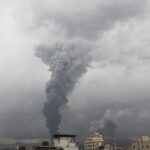
The airstrikes have had immediate humanitarian consequences in Sanaa. Reports from Houthi-run media and local sources indicate that at least six people were killed and over eighty-six injured in the attacks, with more than twenty individuals reported in critical condition. Visuals from the city showed massive fireballs and thick plumes of black smoke rising from targeted locations, highlighting the intensity of the bombardment. According to the Houthi-controlled Saba news agency, the strikes also affected oil company facilities and power stations in the southern parts of Sanaa, which had already been targeted in previous attacks. The cumulative impact of these strikes has intensified concerns about civilian safety, access to essential services, and the broader humanitarian situation in the capital.
The Houthi-run Al-Masirah TV described the attacks as destructive, emphasizing the damage inflicted on both infrastructure and civilian areas. Reports suggest that the strikes were concentrated on buildings of strategic military value, but the proximity to populated areas inevitably raises concerns about collateral damage. International observers have highlighted that repeated military engagements in urban centers carry risks of civilian casualties and the displacement of populations, potentially exacerbating existing humanitarian crises in Yemen. The ongoing conflict, marked by reciprocal strikes and retaliatory measures, underscores the complex interplay of military strategy, political signaling, and humanitarian considerations in regional conflicts.
The Israeli military justified the strikes as a necessary response to the unprecedented use of advanced missile technology by the Houthis, specifically noting the deployment of a cluster bomb warhead. Cluster munitions are widely regarded as controversial due to their indiscriminate nature and long-term impact on civilian populations, further raising the stakes in the conflict. Israel’s response, framed as both defensive and pre-emptive, signals a willingness to take decisive action to neutralize emerging threats, regardless of potential regional backlash or international scrutiny.
Regional Implications and Escalation Risks
The confrontation between Israel and the Houthis has broader implications for the Middle East, particularly regarding the influence of Iran-backed proxies in regional conflicts. The Houthis, receiving support from Iran, have increasingly become a focal point in the regional balance of power, with Israel positioning itself as a counterweight to expanding Iranian influence. Benjamin Netanyahu’s statements and the operational conduct of the Israeli Air Force serve a dual purpose: deterring further attacks against Israel and sending a strategic message to other regional actors regarding the cost of aggression. Analysts note that the strikes in Yemen may also impact diplomatic relations, maritime security in the Red Sea, and broader international engagement in Middle Eastern affairs.
The attacks have heightened concerns about a potential escalation cycle, where retaliatory measures could lead to further strikes, additional casualties, and prolonged instability in the region. Both Israeli authorities and Houthi leadership are engaged in a high-stakes interplay, balancing tactical military actions with strategic communication to domestic and international audiences. Benjamin Netanyahu’s public remarks, combined with targeted airstrikes, illustrate Israel’s emphasis on combining military precision with strategic messaging to assert its position and influence regional dynamics.
Furthermore, the strikes reflect Israel’s broader defense posture, emphasizing rapid response, deterrence, and operational superiority. By targeting military and logistical infrastructure, Israel aims to degrade the Houthis’ capacity to launch future attacks while maintaining a visible demonstration of its military capabilities. The balance between operational effectiveness and humanitarian consequences remains a critical concern, as international actors continue to monitor developments and urge restraint to prevent civilian suffering.
Strategic Communication and Political Messaging
Benjamin Netanyahu’s televised address serves as an essential element of Israel’s strategic communication strategy. By articulating a clear message of deterrence, emphasizing the personal consequences for the Houthis, and framing the airstrikes as a measured yet forceful response, Benjamin Netanyahu strengthens Israel’s narrative of defensive legitimacy. The Prime Minister’s focus on the consequences of aggression and the high cost borne by Houthi forces underscores Israel’s doctrine of pre-emptive and retaliatory measures. Additionally, public communication aims to reassure Israeli citizens of the government’s commitment to national security and demonstrate that strategic threats from neighboring regions are actively countered.
The political messaging is complemented by Defence Minister Katz’s detailed operational statements, which highlight the destruction of critical facilities, the imposition of air and naval blockades, and the readiness to escalate responses in proportion to incoming threats. By emphasizing both precision targeting and proportional retaliation, Israeli officials aim to balance operational credibility with international perceptions, projecting strength while mitigating the risk of global condemnation. The combined effect of military action and strategic messaging reflects a sophisticated approach to modern conflict management, where psychological impact and public perception play a critical role alongside kinetic operations.
The recent airstrikes and Benjamin Netanyahu’s statements also carry symbolic significance. They serve as a reminder to regional actors that Israel maintains both the capability and the willingness to respond decisively to threats, regardless of geographic or political complexities. The targeting of the presidential palace and associated infrastructure signals a direct challenge to Houthi command and control structures, aiming to disrupt leadership coordination and degrade operational effectiveness. Such symbolic strikes, in addition to their tactical impact, reinforce Israel’s broader strategic objectives and demonstrate the integration of military operations with political and psychological influence.
Ongoing Conflict Dynamics and Future Outlook
As tensions continue to simmer, the potential for further escalations remains high. Analysts predict that the interplay between Israeli military strategy, Houthi capabilities, and regional geopolitical considerations will shape the trajectory of conflict in Yemen and surrounding areas. The use of advanced missile technology by the Houthis, combined with Israel’s precision airstrikes and deterrence messaging, creates a complex security environment where miscalculations could have significant consequences. The regional and international community continues to monitor developments closely, highlighting the stakes involved in balancing military objectives, civilian protection, and political signaling.
The situation in Yemen exemplifies the broader challenges faced in modern asymmetrical conflicts, where state actors confront non-state or proxy forces that operate with support from external patrons. Israel’s strategy reflects a combination of preemptive defense, retaliatory precision, and strategic communication aimed at both domestic and international audiences. As military operations and political messaging converge, the effectiveness of Israel’s approach will depend on its ability to sustain operational pressure, maintain civilian legitimacy, and manage regional diplomatic repercussions.
In the coming days, the trajectory of Israeli-Houthi interactions will likely influence broader regional dynamics, particularly regarding Iranian influence, the security of the Red Sea, and international engagement in conflict resolution. Israel’s focus on deterrence, infrastructure targeting, and strategic messaging underscores the multifaceted nature of contemporary conflict, where military, political, and psychological dimensions are intricately intertwined. The events of Sunday serve as a stark reminder of the escalating stakes in Middle Eastern geopolitics, highlighting the delicate balance between military action, regional diplomacy, and humanitarian considerations.