Tensions between the United States and Iran are rapidly escalating after US airstrikes targeted three of Iran’s key nuclear facilities. As the world awaits Tehran’s next move, Iran has issued a strong warning, signaling its intent to retaliate with force. A spokesperson for Iran’s top military command delivered a scathing message, warning Washington of “heavy consequences” and vowing that Iran, not the US, will determine how and when the conflict ends.
Iran’s Military Warns of Harsh Repercussions
In a video address released Monday, Ebrahim Zolfaqari, spokesperson for Iran’s Khatam al-Anbiya central military headquarters, called out US President Donald Trump directly, referring to him as “the gambler.” Zolfaqari, speaking partly in English, declared, “Mr Donald Trump, the gambler, you may start this war, but we will be the ones to end it.” His statement reflects the increasingly defiant tone adopted by Iran’s leadership in the face of US aggression.
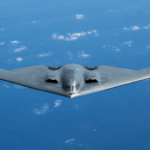
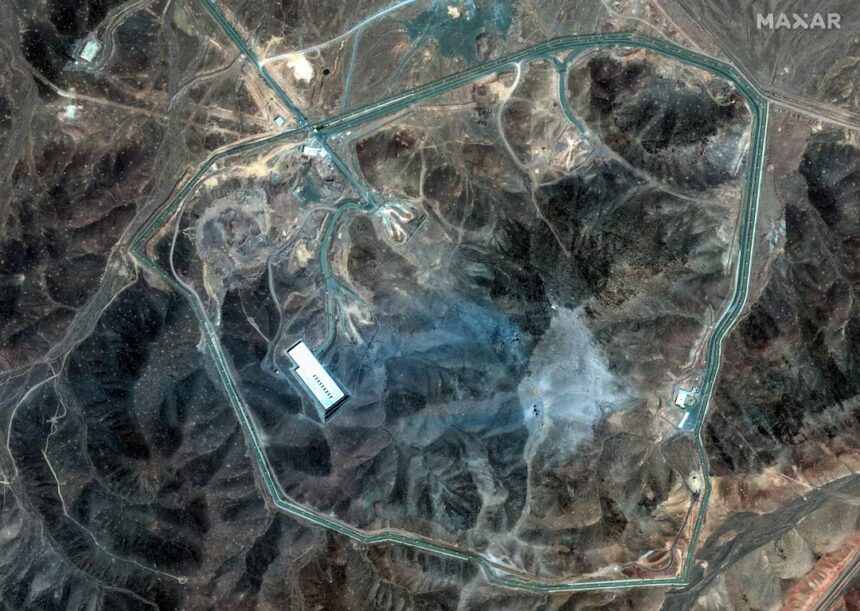
Zolfaqari’s remarks follow the US military’s recent precision strikes on Iran’s Fordow, Natanz, and Isfahan nuclear sites. The strikes, carried out with advanced weaponry including bunker-buster bombs, are said to have caused significant damage. However, Iran claims that the attacks have only broadened the range of “legitimate targets” for its armed forces, hinting at a possible expansion of retaliatory actions across the region.
Diplomatic Fallout at the UN and Donald Trump’s Bold Claims
Iran’s ambassador to the United Nations, Amir Saeid Iravani, spoke during an emergency meeting of the UN Security Council, further intensifying the diplomatic standoff. He stated that Iran reserves the right to self-defense and that the nation’s military will determine the “time, nature, and scale” of its response. Iravani accused the United States of destroying diplomatic efforts and warned that the strikes had fundamentally altered the course of dialogue between the two countries.
Meanwhile, Donald Trump has publicly taken credit for the attack, calling the operation a “bullseye” and claiming it inflicted “monumental damage” to Iran’s nuclear infrastructure. Posting on his social media platform, Truth Social, Donald Trump celebrated the precision of the strikes and declared the mission a success. However, defense analysts remain cautious. Some experts believe Iran may have moved its nuclear materials prior to the attack, reducing the actual damage inflicted by the US military.
As of now, satellite images confirm visible destruction at some locations, but the full extent of the damage remains unverified. The conflicting narratives from Washington and Tehran only add to the uncertainty surrounding the region’s stability.
While Iran prepares its response, the global community watches closely. The language used by Iran’s military and diplomatic leadership suggests that retaliation is not just likely but imminent. The fear now is that a targeted response could spiral into a broader regional conflict, drawing in multiple actors and destabilizing an already volatile Middle East.