A recent investigation has brought to light the staggering human cost of the brutal assault on Sudan’s largest displacement camp, Zamzam, where over 1,500 civilians may have been massacred during a three-day attack by the paramilitary Rapid Support Forces (RSF) in April 2023. This massacre, part of the broader conflict between the RSF and Sudanese military, has left hundreds missing, thousands traumatized, and highlights the severe humanitarian crisis engulfing the region.
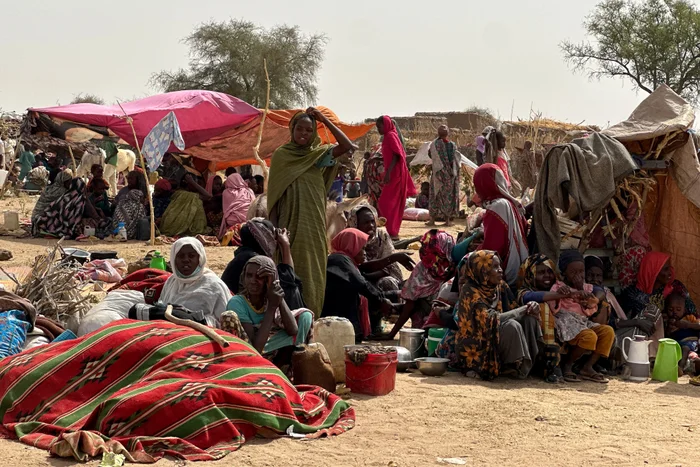
The Zamzam refugee camp, located in North Darfur, has been a sanctuary for people displaced by Sudan’s ongoing conflict. However, during the April attack lasting from the 11th to the 14th, the camp transformed from a place of refuge to a site of unimaginable horror. Although earlier reports estimated the death toll to be around 400 civilians, new findings from an investigative committee reveal that the actual number of casualties far exceeds these figures, with the death toll crossing 1,500. Many bodies remain unrecovered as the camp is now under the control of the RSF.
Scale and Nature of the Atrocity
Testimonies collected from survivors and witnesses describe mass executions and widespread abductions carried out by the RSF during the assault. The violence was so extensive that experts believe the death toll could be as high as 2,000. Many victims’ bodies lie hidden in homes, fields, and along roads, with families still searching for their missing loved ones.
This massacre is now regarded as the second-largest war crime in Sudan’s recent history, only overshadowed by a similar ethnic cleansing that took place in West Darfur two years prior. The conflict itself, which erupted between the Sudanese military and the RSF in April 2023, has been marked by numerous atrocities, driving millions from their homes and resulting in what is now the world’s most severe humanitarian crisis.
Mohammed Sharif, a member of the investigative committee from Zamzam’s former administration, emphasized that the death toll is expected to rise as more bodies are discovered. He detailed the grim reality facing survivors, explaining that many victims remain trapped within the rubble and inaccessible areas of the camp. His account is echoed by an atrocity expert familiar with Darfur’s history, who noted that the levels of violence during this attack were unprecedented even when compared to the genocidal campaigns against ethnic African groups in the region during the early 2000s.
Human Impact and Ongoing Crisis
The human toll extends beyond just the deaths. Large-scale abductions, particularly of women, have left families shattered and communities traumatized. Reports indicate that over 20 women have been taken to Nyala, a known RSF stronghold located 160 kilometers from Zamzam. This has further deepened fears of ongoing human rights abuses, including sexual violence and forced disappearances.
Abdallah Abugarda of the UK-based Darfur Diaspora Association highlighted the scale of personal loss, noting that approximately 4,500 members of his organization knew someone who was killed during the attack. Additionally, around 2,000 Zamzam residents remain unaccounted for, presumed missing. The massacre’s brutality has shocked observers worldwide, with many lamenting the lack of global outrage in response to one of the gravest crimes in recent memory.
Médecins Sans Frontières (MSF) expressed grave concern for the survivors, describing them as among the most vulnerable populations on Earth. The survivors face continued hardships, including looting, sexual violence, and appalling living conditions in temporary displacement sites while fleeing the violence. The scale and nature of the attack have underscored the urgent need for humanitarian assistance and justice.
Broader Context and Continuing Conflict
The Zamzam attack took place on the eve of a British government-led peace conference in London, underscoring the complex and volatile nature of Sudan’s conflict. The war between the Arab-led RSF and the Sudanese military has led to repeated cycles of violence and displacement, with neither side free from accusations of war crimes and human rights violations.
Further north in West Darfur’s capital, Geneina, similar atrocities have occurred. Over a two-month period beginning in mid-April 2023, more than 10,000 people, primarily from the Masalit and other non-Arab Sudanese groups, were reportedly killed by the RSF and allied militias. These incidents reflect a broader pattern of ethnic violence and systematic targeting of civilians.
The International Criminal Court (ICC) has acknowledged these events, stating that there are “reasonable grounds” to believe that war crimes and crimes against humanity are ongoing in Darfur. Meanwhile, the Sudanese military itself has faced allegations of numerous violations, including indiscriminate bombing campaigns targeting civilian populations.
The tragedy at Zamzam is a grim illustration of the human suffering caused by Sudan’s protracted conflict. As the international community grapples with how to respond, survivors and displaced populations continue to endure hardship, loss, and uncertainty about their futures.