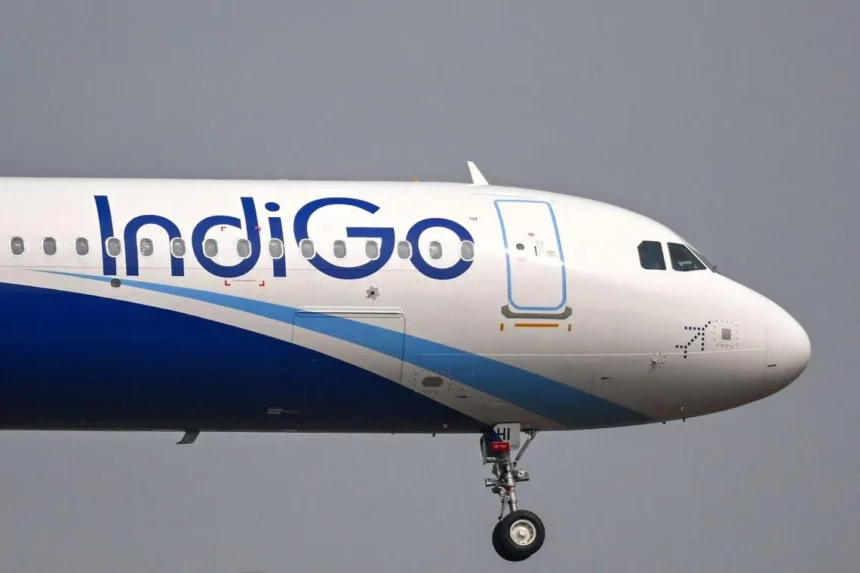
India’s largest private airline, IndiGo, has announced a massive recruitment drive aimed at hiring over 1,000 pilots to address critical personnel shortages, comply with regulatory requirements, and accommodate rapid fleet expansion. This decision comes in the wake of operational challenges experienced last December, when crew shortages forced the cancellation of thousands of flights, disrupting the aviation sector and causing major inconvenience to passengers across the country. The recruitment initiative covers positions from trainee officers to captains, reflecting IndiGo’s efforts to both reinforce its current operations and prepare for future growth as it adds new aircraft to its fleet. With aviation demand rising steadily, the company aims to bolster its workforce and enhance operational resilience, while also adhering strictly to Directorate General of Civil Aviation (DGCA) guidelines, which have become increasingly stringent in recent years.
Addressing Pilot Shortages and Expanding the Fleet
The decision to hire over 1,000 pilots represents one of the most significant recruitment exercises undertaken by any airline in India. Last December, IndiGo faced severe operational difficulties that highlighted the critical need for additional trained personnel. In just seven days, approximately 5,000 flights were cancelled due to insufficient crew availability, prompting regulatory scrutiny and widespread passenger dissatisfaction. These cancellations occurred in large part because new rest rules for pilots had come into effect, which limited the number of night landings between 12 am and 6 am and extended weekly rest periods. The airline had not recruited sufficient pilots in anticipation of these changes, nor had it accelerated the training of new officers, resulting in excessive workloads for existing crew members and a cascading impact on flight schedules.
IndiGo’s recruitment drive will span positions from Trainee First Officer to Senior First Officer and Captain, aiming to create a robust pipeline of qualified personnel who can meet both operational demands and regulatory compliance. Trainee officers will undergo rigorous training programs lasting approximately six months before they are certified to operate commercial flights. In addition, pilots must accumulate a minimum of 1,500 hours of flying experience to qualify for promotion to Captain, reflecting the airline’s focus on maintaining high safety and competency standards. The airline is also promoting 20 to 25 First Officers to Captain positions every month, ensuring a steady progression within its workforce and creating opportunities for career advancement.
Fleet expansion is a key driver of this recruitment initiative. IndiGo plans to add four new aircraft to its fleet every month to accommodate rising passenger demand and extend its operational reach. Each new aircraft requires a dedicated complement of trained pilots, and with the airline’s planes being heavily utilized, the requirement is almost double the standard pilot complement defined by DGCA regulations. For example, while the standard DGCA rule requires three pilots per aircraft—a captain and two first officers—IndiGo’s intensive utilization of aircraft necessitates additional pilots to ensure continuous operations without overworking crew members. The airline currently employs 2,357 captains, although calculations indicated a need for 2,422 captains to meet operational demands. This shortfall underscores the urgency behind the massive hiring initiative.
Compliance Challenges and Regulatory Oversight
IndiGo’s operational crisis was exacerbated by recent changes to DGCA regulations, which introduced stricter rest requirements for pilots. While the updated rules were designed to enhance safety and reduce fatigue, they also placed additional pressure on airlines to recruit and train pilots at an accelerated pace. The investigation following December’s flight cancellations revealed that IndiGo had not adequately scaled its recruitment or training efforts to comply with the new rules, contributing directly to the operational disruption. In response to the crisis, DGCA granted temporary exemptions to some night duty regulations until February 10, providing short-term relief to the airline while it works to augment its pilot workforce.
The airline’s strategy now includes a careful focus on balancing fleet expansion with regulatory compliance. By hiring a substantial number of new pilots, IndiGo seeks to reduce the operational risk of flight cancellations, ensure adherence to DGCA mandates, and maintain high levels of service for passengers. The recruitment drive also reflects broader trends within the Indian aviation sector, where rapid growth in passenger traffic and the addition of new aircraft have intensified the demand for trained personnel. Airlines must therefore maintain robust pipelines for pilot training, certification, and promotion to meet both operational and regulatory requirements.
Training programs are central to IndiGo’s approach. Trainee pilots undergo comprehensive instruction covering technical, operational, and safety aspects of flight, ensuring that each officer is fully prepared to manage commercial aircraft efficiently. The six-month training period includes simulator sessions, supervised flights, and evaluations designed to assess skill, judgment, and decision-making under varying operational conditions. For officers progressing to captain positions, accumulated flight hours and demonstrated competence form the basis for promotion, reinforcing safety and accountability at every level. By tightening standards and adhering strictly to training protocols, the airline is investing in a highly capable and reliable workforce capable of sustaining its growth ambitions.
IndiGo’s recruitment initiative also highlights the challenges faced by airlines in maintaining operational efficiency while navigating regulatory frameworks. The balance between fleet expansion, crew availability, and compliance is delicate, and lapses in any area can have cascading effects on flight schedules and passenger satisfaction. The airline’s proactive approach to hiring over 1,000 pilots is therefore not only a response to immediate personnel shortages but also a long-term strategy to ensure operational resilience, meet regulatory expectations, and maintain its market position as India’s largest civilian airline.
The company’s plan to promote a substantial number of First Officers to Captains every month further addresses succession and leadership within the cockpit. By creating a predictable path for career progression, IndiGo fosters motivation and retention among pilots while simultaneously meeting operational requirements for highly experienced captains. This dual focus on recruitment and internal promotion ensures that both new hires and existing employees are aligned with the airline’s growth trajectory and safety standards.
Operational efficiency remains a central concern as IndiGo integrates new aircraft into its fleet. Each aircraft demands careful crew scheduling, adherence to rest regulations, and alignment with flight operations, all of which require careful planning and substantial personnel resources. By expanding its pilot cadre, the airline is positioning itself to minimize disruptions, optimize aircraft utilization, and deliver a more reliable service to passengers. The recruitment drive reflects a forward-looking approach that considers both immediate operational needs and the strategic imperatives of fleet growth, market expansion, and regulatory compliance.
The broader aviation sector in India has faced similar challenges, with rapid growth in domestic and international passenger traffic, evolving safety standards, and the need for highly trained personnel. IndiGo’s approach exemplifies how leading airlines are responding to these pressures by investing in human capital, streamlining training, and implementing robust operational strategies. The scale of this recruitment drive, targeting over 1,000 new pilots, underscores the critical role of human resources in sustaining airline operations and the importance of aligning workforce planning with regulatory requirements and fleet expansion.
IndiGo’s strategy also includes monitoring pilot workload, implementing effective rostering practices, and ensuring that operational efficiency does not compromise safety. By adhering to DGCA requirements, including night duty limitations and rest periods, the airline ensures that pilots remain fit to operate aircraft while maintaining passenger safety. The combination of aggressive recruitment, structured training programs, and strategic workforce planning positions IndiGo to manage future growth, mitigate operational risk, and strengthen its reputation as a reliable airline in the Indian aviation market.
The airline’s ambitious hiring initiative reflects both the challenges and opportunities in India’s fast-growing aviation sector. By investing in new pilots and promoting internal talent, IndiGo seeks to balance rapid expansion with operational excellence and regulatory compliance. The initiative demonstrates a forward-looking approach, anticipating future growth in passenger demand, fleet size, and market share. It also underscores the airline’s commitment to maintaining high safety standards, ensuring regulatory adherence, and fostering a skilled and motivated workforce capable of supporting its long-term strategic objectives.
With the recruitment of over 1,000 pilots, IndiGo aims to secure a stable operational foundation, enable continued fleet expansion, and enhance service reliability for passengers. The airline’s comprehensive strategy encompasses recruitment, training, promotion, and compliance, reflecting an integrated approach to managing personnel shortages, regulatory challenges, and operational growth. As India’s largest civilian airline, IndiGo’s initiative will likely influence broader industry practices, set benchmarks for pilot training and recruitment, and contribute to strengthening the overall aviation ecosystem in the country.