In a rare sign of potential movement toward ending the nearly 21-month war in Gaza, Hamas has responded with a “positive spirit” to a U.S.-brokered ceasefire proposal, raising cautious optimism for an agreement that could halt fighting, return hostages, and begin discussions toward a long-term resolution. The development comes as President Trump pushes Israeli Prime Minister Netanyahu for a swift deal, while civilians continue to bear the brunt of the devastating conflict.
Hamas Signals Willingness to Negotiate
Hamas announced on Friday that it had completed internal discussions and consultations with Palestinian factions regarding the ceasefire framework proposed by U.S. mediators. In a statement on its website, Hamas said it delivered its response to mediators with a “positive spirit” and is prepared to “immediately enter a new round of negotiations” to implement the deal, which would include the release of hostages and negotiations on ending the conflict.
The proposal, described by President Trump as a “final” 60-day ceasefire plan, aims to halt hostilities between Israel and Hamas and create space for negotiations on a longer-term settlement. Trump, speaking to reporters aboard Air Force One, expressed optimism upon hearing of Hamas’ positive response, saying, “There could be a Gaza deal next week,” while adding he had not yet received a full briefing.
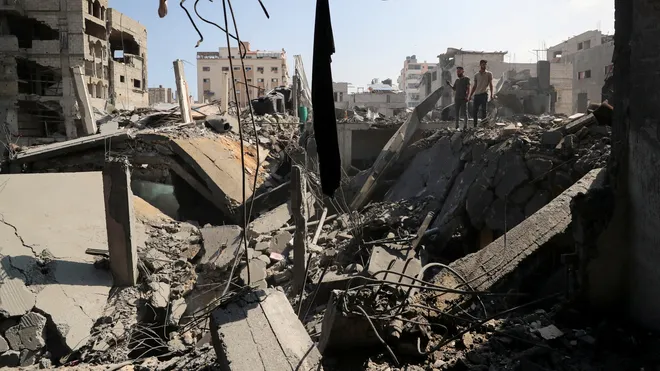
The U.S., along with Egypt and Qatar, is working to mediate a ceasefire that could ease the humanitarian crisis in Gaza, where over 57,000 Palestinians have been killed since the conflict began, according to local health officials, with most victims being civilians. Israel’s retaliatory strikes following the October 2023 Hamas attacks have displaced most of Gaza’s population of over 2 million, leading to widespread hunger and devastation in the enclave.
Israeli Position and Continued Strikes
While President Trump indicated that Israel had agreed to the conditions necessary for the ceasefire, Israeli Prime Minister Netanyahu has not yet publicly commented on the proposal ahead of his meeting with Trump in Washington. Netanyahu has consistently demanded that Hamas be disarmed, a stance the group has so far refused to accept, even as they continue to hold around 20 living hostages.
Amid these diplomatic efforts, the conflict on the ground has continued. In the past 24 hours, Israeli airstrikes killed at least 138 Palestinians, according to local health authorities. An airstrike on a tent encampment in Khan Younis early Friday morning killed 15 Palestinians, many of whom were already displaced by the ongoing war. The Israeli military stated it had eliminated militants, confiscated weapons, and struck 100 targets across Gaza, including Hamas outposts and weapons storage facilities, in the last 24 hours.
Families of Hostages Call for a Deal
In Tel Aviv, families and supporters of hostages held in Gaza demonstrated outside the U.S. embassy on American Independence Day, urging President Trump to secure a deal to bring the captives home. Protesters set up a symbolic Sabbath dinner table with 50 empty chairs, representing the hostages still held in Gaza, and displayed banners quoting Trump’s social media call to “MAKE THE DEAL IN GAZA.”
Many of those gathered shared personal stories of loss and urgency, including Ruby Chen, father of 19-year-old Itay Chen, an American-Israeli soldier believed to have been killed in captivity after being taken hostage during the October 2023 Hamas attack. The proposed deal is expected to include the release of 10 hostages and the return of the bodies of 18 others during the 60-day ceasefire period, according to officials familiar with the negotiations.
The devastating toll on civilians continues to underscore the urgency for a ceasefire. In Gaza, 13-year-old Mayar Al Farr wept as she buried her brother, who was killed while trying to collect aid for their family, saying, “There should have been a ceasefire long ago before I lost my brother.”