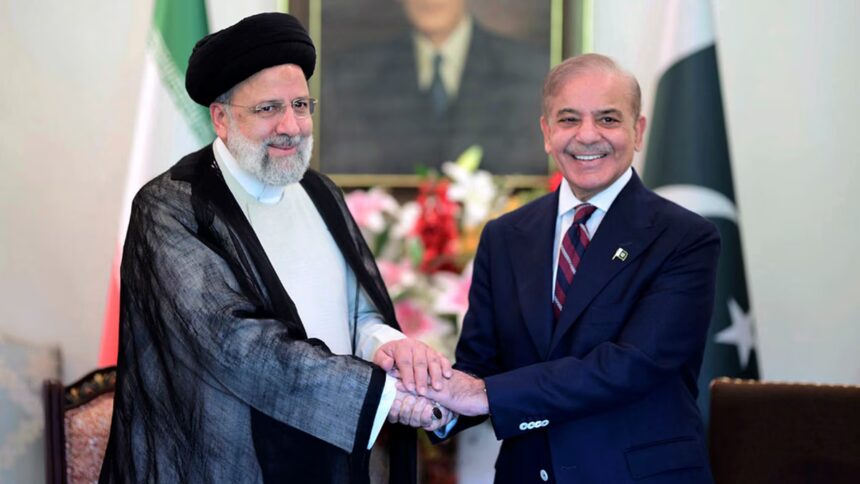
Pakistan and Iran are showing signs of easing tensions following a year marked by cross-border airstrikes and conflict. The recent visit of Pakistan’s Prime Minister Shehbaz Sharif and Field Marshal Asim Munir to Tehran highlights a warming relationship, driven by shared concerns over the Gaza crisis and a mutual interest in resolving regional disputes. While Pakistan raised issues concerning its conflict with India, Iran’s Supreme Leader Ayatollah Ali Khamenei offered a measured response, expressing hope for peaceful resolution between India and Pakistan.
Pakistan’s Kashmir Concerns and Iran’s Diplomatic Balance
During meetings with Iran’s leadership, Prime Minister Shehbaz Sharif highlighted the India-Pakistan conflict, referring to recent Indian airstrikes in Pakistan and Pakistan-occupied Kashmir, which were launched in retaliation for the Pahalgam terror attack. Shehbaz Sharif praised Iran’s “positive role” during this tense period and emphasized Pakistan’s readiness to engage in dialogue with India to resolve longstanding issues such as Kashmir, water-sharing, trade, and counter-terrorism cooperation. Speaking at a joint press conference with Iranian President Masoud Pezeshkian, Shehbaz Sharif underlined Pakistan’s commitment to peace talks, signaling willingness to negotiate sincerely if India reciprocates.
In response, Ayatollah Khamenei took a cautious tone, stating Iran’s happiness over any efforts to end conflict between India and Pakistan. Iranian media also reported that President Pezeshkian supported a durable ceasefire and promoted dialogue as the path to peace, reflecting Tehran’s broader diplomatic approach to the complex regional dynamics.
Thaw in Iran-Pakistan Relations Amid Shared Security Challenges
This visit comes after a turbulent period in Iran-Pakistan relations, including reciprocal airstrikes last year targeting militant groups operating along their shared border. Iran had struck Pakistan’s Balochistan province to target the Jaish al-Adl group, while Pakistan retaliated by striking Iranian territory against the Baloch Liberation Front. The high-level talks in Tehran signal efforts to de-escalate these tensions and strengthen cooperation.
Khamenei described the ties between the two countries as “warm and brotherly,” recalling Pakistan’s support during the Iran-Iraq war. He stressed that Muslim unity is essential to safeguarding the security of the Islamic world amid ongoing global conflicts.
Meanwhile, India continues to maintain a neutral stance on the Gaza crisis, which has emerged as a key issue bringing Pakistan and Iran closer. Recent diplomatic engagements between India and Iran have included strong condemnations of terrorism and calls for regional cooperation. India emphasizes that its disputes with Pakistan are bilateral and insists on Pakistan’s responsibility regarding terrorism and Kashmir.