As Jammu and Kashmir prepares for its upcoming Budget Session beginning on March 3, a strong push for banning liquor sales in the Union Territory has gained traction. Religious groups, civil society organizations, and political leaders have intensified their demands, arguing that alcohol consumption is detrimental to the region’s social and cultural fabric.
In response to these growing concerns, three private member Bills seeking a complete ban on liquor have been submitted to the Assembly Secretariat. The Bills are expected to be introduced and debated during the upcoming session, signaling a potential shift in the Union Territory’s approach to alcohol regulation. The move has sparked widespread discussions among political circles, social activists, and industry stakeholders.
The campaign for a liquor ban has been gaining momentum over the past few months, with several religious organizations leading protests and awareness drives across different districts. Many argue that the easy availability of liquor has led to rising cases of domestic violence, addiction, and youth delinquency. Supporters of the ban believe that restricting alcohol sales will help curb these social issues and promote a healthier society.
Political leaders across party lines have expressed mixed reactions to the proposal. While some lawmakers strongly advocate for a complete ban, others have emphasized the economic implications of such a move. The liquor industry contributes significantly to government revenue through excise duties and taxes, and any ban could impact the Union Territory’s financial health. Additionally, critics argue that a ban could lead to an increase in illicit liquor trade, creating further law enforcement challenges.
The government is expected to take a cautious approach while addressing these demands. Officials have indicated that they will review the Bills thoroughly and consider all aspects, including public sentiment, economic impact, and law enforcement feasibility. The administration may also explore alternative measures, such as stricter regulations on liquor sales, awareness campaigns on responsible drinking, and rehabilitation programs for alcohol addiction.
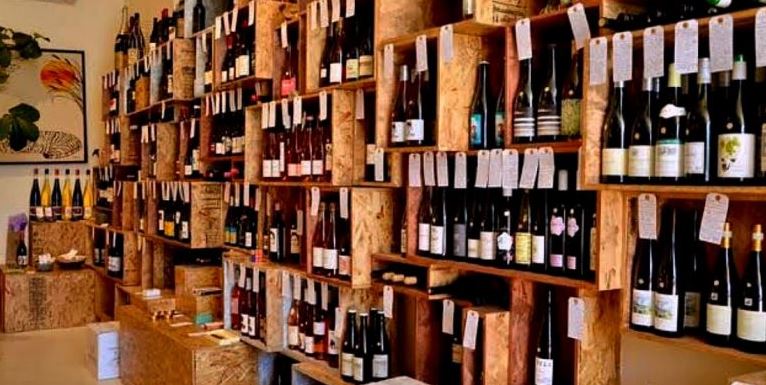
Public opinion on the issue remains divided. While conservative groups and religious organizations continue to push for an outright ban, sections of the business community and tourism industry fear that it could negatively affect the local economy. Liquor sales, especially in urban centers and tourist hubs, contribute to employment and revenue generation.
As the Budget Session approaches, all eyes will be on the Assembly’s decision regarding the proposed Bills. Whether the government implements a complete ban, introduces partial restrictions, or maintains the status quo, the debate over alcohol regulation in Jammu and Kashmir is set to remain a crucial political and social issue in the coming months.