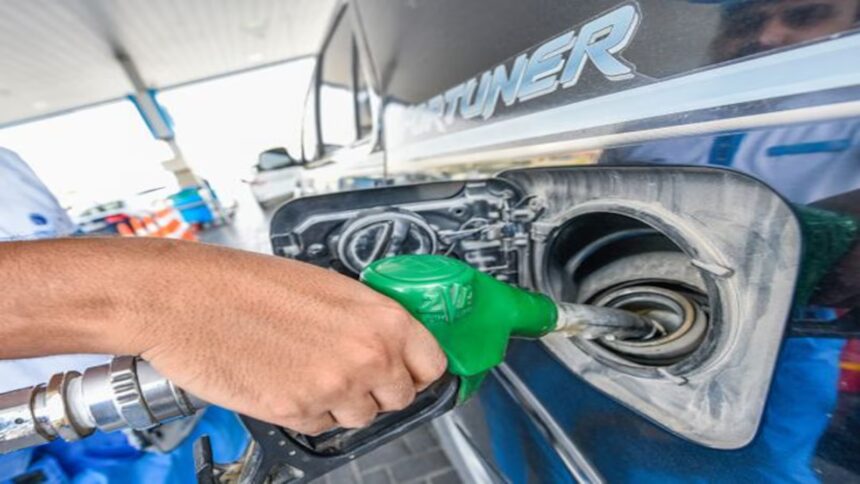
The Indian government has addressed growing concerns circulating online about the effects of ethanol-blended petrol, specifically E20 fuel, on vehicle performance. In a public clarification, the Ministry of Petroleum and Natural Gas has stated that contrary to popular belief, E20 petrol does not drastically reduce mileage or cause severe engine or fuel system damage. The ministry emphasised that any reduction in fuel efficiency is marginal and largely manageable through basic maintenance and proper engine tuning. It also reiterated the environmental and economic benefits of ethanol blending, urging citizens not to be misled by unverified claims on social media.
Mileage impact minor and manageable
A significant portion of online commentary has centred on the idea that E20 fuel—petrol blended with 20% ethanol—drastically reduces mileage in cars and leads to corrosion in fuel tanks and other components. In response, the government has clarified that in vehicles initially designed for E10 fuel (10% ethanol) but later adapted for E20 usage, fuel efficiency may drop by only 1-2%. For vehicles not originally designed or calibrated for E20, the decrease could be slightly higher—around 3-6%. However, this drop can be minimised through proper calibration, tuning, and the use of compatible components.
The Ministry also addressed the concern around wear and tear of fuel system parts, particularly rubber components and gaskets. It explained that in some older vehicles, these parts may require replacement after 20,000 to 30,000 kilometres, but such replacements are neither expensive nor unusual. They often coincide with routine servicing, which most vehicle owners already undertake.
Additionally, vehicle manufacturers have responded to the new fuel blend. Since April 2023, automobile companies in India have started rolling out E20-compliant vehicles that include upgraded parts and engines calibrated to work efficiently with the new blend. This has already improved performance and reduced the efficiency gap in newer models. Industry experts point out that improved engine compatibility helps in maintaining or even enhancing the riding experience and long-term durability.
Why ethanol blending is a national priority ?
Beyond the technical aspects, the government has stressed the broader benefits of adopting ethanol-blended fuel. Ethanol is a renewable biofuel primarily derived from sugarcane, maize, surplus rice, and agricultural waste. By blending ethanol with petrol, India reduces its reliance on fossil fuels and significantly lowers greenhouse gas emissions.
Ethanol produces up to 65% less carbon dioxide than petrol. Therefore, a 20% blend contributes meaningfully to the country’s climate goals. According to government data, the transition to E20 fuel helps cut down India’s carbon footprint while simultaneously promoting cleaner energy alternatives.
The government also underlined the economic advantages of this move. Since the ethanol blending programme was scaled up in 2014-15, India has saved over ₹1.4 lakh crore in foreign exchange by reducing crude oil imports. Furthermore, the increased demand for ethanol has channelled over ₹1.2 lakh crore in payments to farmers—especially those growing sugarcane and other ethanol-yielding crops. This contributes to rural incomes and supports the agricultural economy.
By tapping into locally available feedstocks like damaged food grains, surplus rice, and farm residues, ethanol production has also become an efficient and sustainable use of resources that would otherwise go to waste. The strategy strengthens India’s energy security while creating a circular economy around agriculture and fuel.
In its clarification, the ministry urged citizens to avoid spreading or believing in theories that are not backed by scientific studies or practical testing. It assured that comprehensive trials had been conducted before the nationwide rollout of E20 fuel, and the standards were set in close collaboration with the automotive industry and research bodies.
The push toward ethanol-blended fuel is part of a broader policy framework aiming to make India self-reliant in energy while also tackling climate change. With the transport sector being one of the largest contributors to greenhouse emissions, such initiatives are not only practical but essential for sustainable development.