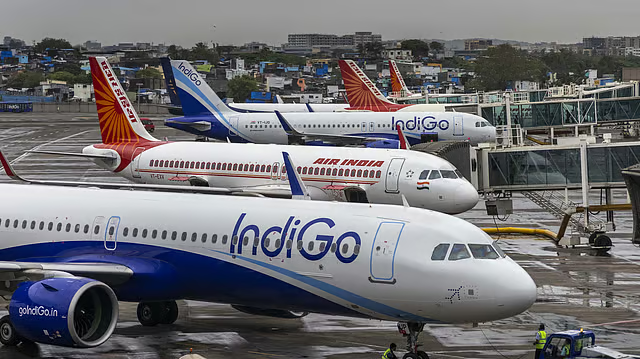
The Centre has removed the airfare cap on domestic flights, allowing airlines to set ticket prices based on demand and market conditions from March 23. The decision, taken by the Civil Aviation Ministry, marks a significant shift in pricing regulation in India’s aviation sector. The cap, which was earlier imposed following disruptions in airline operations, had restricted the maximum fare that airlines could charge passengers. With this restriction now lifted, airlines are expected to gain greater flexibility in pricing, but passengers may also face higher ticket costs, especially during peak travel periods. The move comes at a time when the aviation sector is stabilizing after operational disruptions and adjusting to rising fuel costs and global uncertainties.
Why the Airfare Cap Was Removed
According to the government, the decision to remove the fare cap was taken after reviewing the current status of airline operations. Authorities noted that flight capacity across the sector has been restored and services have largely returned to normal. The cap was originally introduced in December after disruptions, particularly involving IndiGo, where staff shortages and cancellations led to chaos in the aviation system. At that time, the government had fixed a maximum airfare limit of ₹18,000 to prevent excessive pricing by airlines.
The disruptions were linked to revised crew duty regulations implemented by the Directorate General of Civil Aviation, which led to operational challenges for airlines. With these issues now largely resolved, the government believes that market forces can determine fair pricing. The ministry has stated that airlines are expected to act responsibly and ensure transparency in ticket pricing, even in the absence of a cap. Officials have also indicated that airfare trends will continue to be monitored closely to prevent unreasonable fare hikes.
Impact on Passengers and Ticket Prices
With the removal of the cap, airlines can now adjust fares based on seat availability, demand, and operational costs. This means that during high-demand periods such as holidays, festivals, or last-minute bookings, ticket prices could rise significantly. Past instances have shown that fares can surge dramatically during disruptions. For example, during the earlier crisis, ticket prices on certain routes rose to as high as ₹80,000, forcing passengers to pay several times the usual fare.
The possibility of such spikes has raised concerns among travellers, particularly those who rely on affordable air travel for urgent or essential journeys. However, the government has assured that it will intervene if airlines engage in excessive pricing. The ministry has emphasized that fares should remain reasonable and aligned with market conditions, and any exploitation of passengers will be taken seriously.
At the same time, the removal of the cap is expected to benefit airlines, which have been facing rising operational costs, especially due to increasing fuel prices. Aviation turbine fuel (ATF), which accounts for a significant portion of airline expenses, is directly influenced by global crude oil prices. As fuel costs rise, airlines often pass on the burden to passengers through higher ticket prices. The new pricing freedom allows airlines to manage these cost pressures more effectively.
Fuel Costs, Global Tensions and Future Outlook
The timing of this decision is closely linked to global developments, particularly rising crude oil prices due to geopolitical tensions. Higher oil prices directly impact ATF rates, which in turn affect airline profitability and pricing strategies. Ram Mohan Naidu has acknowledged that the ongoing global situation could influence the aviation sector, but assured that efforts are being made to minimize the impact on passengers.
The minister also noted that ATF prices are revised monthly, and any significant changes could reflect in ticket prices from April onwards. Discussions between the government and airlines are ongoing to ensure that operations remain stable and passenger interests are protected. The broader aim is to strike a balance between allowing airlines financial flexibility and ensuring affordability for travellers.
In addition to removing the fare cap, the government has also introduced new passenger-friendly guidelines. Airlines are now required to provide at least 60% of seats without additional charges, ensuring that passengers are not forced to pay extra for basic seat selection. This move is aimed at improving transparency and reducing hidden costs in air travel.
The removal of the airfare cap signals a transition toward a more market-driven aviation sector in India. While it offers airlines the freedom to respond to demand and cost fluctuations, it also places greater responsibility on them to maintain fair pricing practices. For passengers, the development means that ticket prices may become more dynamic, with potential increases during peak periods. As the sector continues to evolve, both regulators and airlines will play a crucial role in ensuring that growth is balanced with affordability and consumer protection.
.