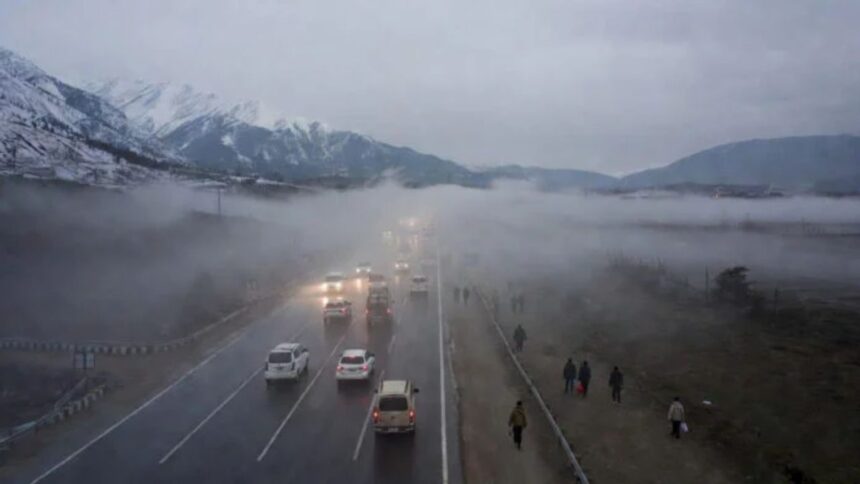
The India Meteorological Department has forecast the arrival of a fresh western disturbance that is expected to influence weather conditions across the Western Himalayan Region and adjoining northern plains from today. The system is likely to bring light rainfall, dense fog in select areas, and noticeable changes in minimum temperatures across several states over the coming days, impacting daily life, transportation, and agricultural activities.
Western Disturbance to Affect Himalayan States and Northern Plains
According to the India Meteorological Department, a fresh western disturbance is set to impact the Western Himalayan Region beginning today. Western disturbances are extratropical weather systems that originate over the Mediterranean region and move eastwards, significantly influencing winter weather patterns across northern India. These systems play a crucial role in bringing winter precipitation to the Himalayan belt and adjoining regions.
Under the influence of the latest western disturbance, light rainfall is expected over Jammu and Kashmir, Ladakh, Gilgit-Baltistan–Muzaffarabad, and Himachal Pradesh. The IMD has stated that these weather conditions are likely to persist till the 21st of the month. Higher-altitude areas may experience intermittent precipitation, while lower elevations could see light rain or drizzle accompanied by cloudy skies.
Such weather conditions are particularly significant for mountainous regions, where precipitation plays a vital role in maintaining snow cover, replenishing water sources, and supporting agriculture and hydropower generation. However, it can also pose challenges in the form of slippery roads, reduced visibility, and disruptions to travel in hilly terrain.
The impact of the western disturbance is not expected to remain confined to the Himalayan region alone. Similar weather conditions are likely to prevail over parts of Uttar Pradesh, Uttarakhand, Rajasthan, Punjab, and Haryana during the next three days. These states may witness cloudy conditions along with light rainfall or drizzle, particularly during morning and evening hours.
For agricultural regions in the northern plains, such weather patterns can have mixed effects. While light rainfall may benefit winter crops by improving soil moisture, excessive cloud cover and prolonged damp conditions could affect harvesting schedules and crop health. Farmers are advised to stay alert to local weather advisories and plan agricultural activities accordingly.
Urban areas in these states may also experience traffic slowdowns due to wet roads and reduced visibility. Authorities are expected to remain vigilant, especially in regions prone to waterlogging or congestion during rainy conditions.
Dense Fog Warning and Gradual Rise in Temperatures
In addition to rainfall associated with the western disturbance, the India Meteorological Department has issued a warning regarding dense fog conditions in certain regions. According to the forecast, dense fog is expected over Sub-Himalayan West Bengal and Sikkim today. Fog formation during winter months is common in these regions due to high moisture levels, low temperatures, and calm wind conditions.
Dense fog can significantly reduce visibility, particularly during early morning and late-night hours. This can disrupt road, rail, and air transportation, leading to delays and safety concerns. Commuters, especially those traveling during early hours, have been advised to exercise caution and follow traffic advisories issued by local authorities.
The IMD has also highlighted a notable temperature trend in its latest forecast. A gradual rise in minimum temperatures is expected across Central India over the next four days. According to the department, minimum temperatures in the region are likely to increase by around 2 to 3 degrees Celsius, indicating a temporary easing of cold conditions.
This rise in temperature could bring some relief to residents who have been experiencing chilly nights. Regions across Madhya Pradesh, Chhattisgarh, and adjoining areas may observe slightly warmer nights, though daytime temperatures are expected to remain within seasonal norms.
Weather experts note that such fluctuations in temperature are typical during the winter season, especially when western disturbances pass through northern India. Cloud cover associated with these systems often traps heat near the surface, leading to higher night-time temperatures.
The IMD continues to monitor the evolving weather situation closely and has emphasized the importance of staying informed through official updates. As weather patterns remain dynamic during this period, timely advisories can help minimize disruptions and ensure public safety.