In a dangerous turn of events, Iran and Israel exchanged renewed attacks on Saturday following Tehran’s refusal to enter nuclear negotiations while under threat. The volatile confrontation unfolded as Europe scrambled to revive peace efforts, and U.S. President Donald Trump warned of Iran’s imminent nuclear capability.
Renewed strikes and rising casualties
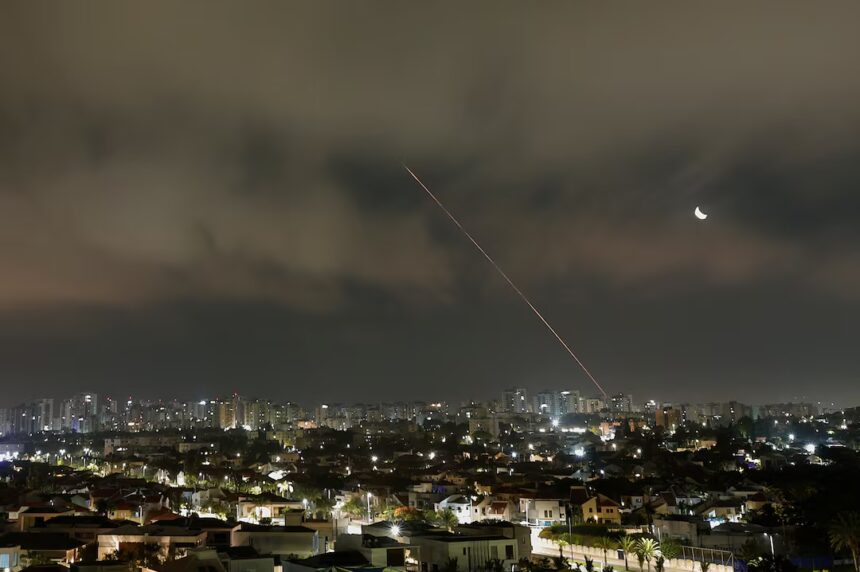
Iran’s Fars news agency reported that Israel targeted its major nuclear facility in Isfahan, although no hazardous leaks were confirmed. Another strike in Qom reportedly killed a 16-year-old and injured two others. Meanwhile, Israel confirmed it had launched attacks on Iranian missile storage and launch sites. These developments came after Israel detected a missile barrage from Iran early Saturday, prompting sirens in Tel Aviv, the West Bank, and southern regions. Israel said it intercepted five ballistic missiles without immediate casualties, though missile debris reportedly ignited a fire atop a residential building in central Israel.
The exchanges began after Israel claimed Iran was nearing nuclear weapons capability and began airstrikes on June 13. Iran responded with “Operation Bunyan-un-Marsoos,” a retaliatory campaign that included missile and drone strikes. The conflict has since escalated, with Israel’s bombing campaign reportedly killing 639 people, including military leaders and nuclear scientists. Iran’s strikes have killed at least 24 civilians in Israel, according to officials. These figures remain unverified by independent sources.
Nuclear deadlock and global diplomacy
Iran’s Foreign Minister Abbas Araqchi stated that there would be no negotiations with the U.S. unless Israeli aggression ceases. Still, he arrived in Geneva for talks with European leaders, as Europe continues pushing for a diplomatic breakthrough. Araqchi emphasized that while Iran might discuss limitations on uranium enrichment, it would not agree to a complete ban, especially under continued Israeli bombardment.
U.S. President Donald Trump added to tensions, asserting on Friday that Iran could develop a nuclear weapon “within weeks or months,” contradicting intelligence claims by his own officials. Donald Trump also met with reporters in New Jersey, saying he would decide within two weeks whether the U.S. would join the conflict, noting, “If somebody is winning, it’s harder to ask for restraint.”
Donald Trump expressed skepticism about Europe’s ability to mediate and said, “Iran wants to speak to us, not Europe.” Meanwhile, U.S. citizens have begun fleeing Iran as the threat of wider conflict looms.
Israel’s envoy to the UN, Danny Danon, told the Security Council that Israel will continue striking until Iran’s nuclear threat is neutralized. Iran’s UN representative, Amir Saeid Iravani, appealed for immediate UN intervention, expressing concern about potential U.S. involvement. Russia and China also issued calls for urgent de-escalation.
Despite back-channel efforts and mounting global concern, the violence continues with no ceasefire in sight, and Iran’s nuclear ambitions remain at the heart of the worsening crisis.