Prime Minister Narendra Modi’s visit to China for the 25th Shanghai Cooperation Organisation (SCO) Summit in Tianjin proved to be a pivotal moment for India’s diplomatic engagements across the Eurasian region. Arriving on Saturday for his first visit to China in seven years, PM Modi participated not only in multilateral deliberations but also held an intensive series of bilateral meetings with leaders from key regional partners. His discussions ranged from addressing longstanding border concerns with Chinese President Xi Jinping to exploring opportunities for strategic and developmental cooperation with leaders from the Maldives, Myanmar, Nepal, Vietnam, Egypt, and several Central Asian nations. These interactions underscored India’s proactive approach to reinforcing diplomatic, economic, and security partnerships in the broader Eurasian and Indo-Pacific context, reflecting the country’s commitment to stability, development, and regional connectivity. Throughout the summit, PM Modi shared highlights of his meetings on his official social media accounts, emphasizing the deepening ties and mutual trust between India and its partners.
Deepening India-China Engagements and Border Peace Initiatives
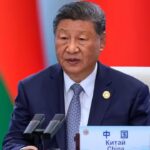
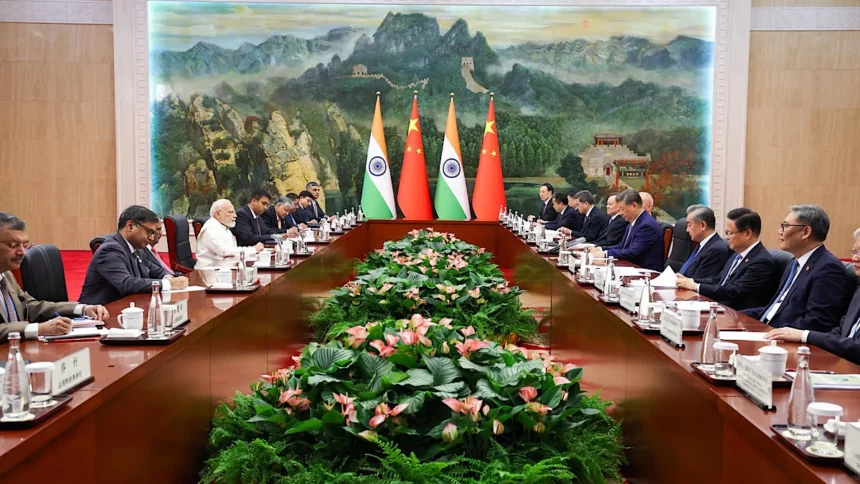
The most closely watched bilateral engagement at the SCO Summit was between Prime Minister Modi and Chinese President Xi Jinping. The two leaders focused on addressing the longstanding border issues between India and China, aiming for a “fair, reasonable, and mutually acceptable” resolution that would ensure peace and stability in the region. In their discussions, both leaders highlighted the importance of maintaining tranquility along the Line of Actual Control, reiterating their commitment to building confidence, reducing tensions, and fostering constructive dialogue. Beyond border security, the talks also encompassed economic and trade matters, particularly addressing trade imbalances and ensuring fair practices in multilateral trade frameworks. Counter-terrorism cooperation emerged as another key area of mutual interest, with both leaders recognizing the need to collaborate in addressing security threats that transcend national boundaries.
Following the meeting, PM Modi shared reflections on the progress of India-China relations since their last encounter in Kazan. He noted that both nations had made positive strides in strengthening bilateral engagement and emphasized the principles of mutual respect, sensitivity, and interest as central to sustainable diplomacy. The meeting was widely seen as a reaffirmation of the importance India places on stable, constructive relations with China, particularly in the context of regional security and global economic integration. Analysts highlighted that such dialogues signal India’s commitment to maintaining a balanced approach—asserting its national interests while actively engaging with neighboring powers to ensure peace and cooperation. The SCO platform, in this regard, provided an effective avenue for nuanced dialogue that combined strategic foresight with diplomatic tact.
Strengthening Regional Ties Across Eurasia and Beyond
Beyond China, PM Modi’s bilateral engagements covered a wide spectrum of countries that play critical roles in India’s Act East Policy, Neighbourhood First initiatives, and broader regional strategy. His meeting with Maldivian President Mohamed Muizzu emphasized the significance of developmental cooperation between India and the Maldives, with both leaders highlighting projects in infrastructure, connectivity, and sustainable development. The discussions reflected India’s commitment to supporting small island nations in the region, fostering stronger people-to-people ties and economic collaboration that directly benefit local communities.
In Myanmar, PM Modi met Senior General Min Aung Hlaing, reinforcing the strategic importance of Myanmar as a pillar of India’s Act East and Neighbourhood First policies. The discussions explored avenues for cooperation in trade, energy, infrastructure, rare earth mining, and security. Analysts noted that such engagements underscore India’s approach to ensuring regional connectivity and strategic depth while supporting Myanmar’s role as a key regional partner.
India-Nepal relations were also a focal point, with PM Modi describing his meeting with Prime Minister KP Sharma Oli as a reflection of the deep-rooted and special ties between the two nations. Discussions highlighted trade, cultural exchange, and border management, emphasizing historical bonds and contemporary partnerships that strengthen regional stability. Similarly, in Vietnam, PM Modi engaged with Prime Minister Phạm Minh Chính, focusing on defense cooperation, trade expansion, green energy, and broader economic collaboration, signaling India’s intent to deepen its presence in Southeast Asia through multifaceted partnerships.
PM Modi’s dialogue with Egyptian Prime Minister Mostafa Madbouly highlighted the growing friendship and cooperation between India and Egypt. The leaders reflected on India’s previous engagement with Egypt and discussed future opportunities for collaboration in trade, technology, and education. The meetings underscored India’s ambition to enhance its strategic and economic partnerships beyond the immediate region, reinforcing its global outreach initiatives. Similarly, discussions with Laos President Thongloun Sisoulith emphasized cultural, economic, and trade linkages, illustrating the importance of regional connectivity and collaboration in Southeast Asia.
In Central Asia, PM Modi’s interactions with Tajikistan President Emomali Rahmon, Belarus President Alexander Lukashenko, Kyrgyzstan President Sadyr Japarov, and Uzbek President Shavkat Mirziyoyev reflected a concerted effort to strengthen trade, cultural exchanges, and strategic partnerships. India’s approach in these engagements focused on mutually beneficial development initiatives, fostering long-term trust, and promoting regional stability through constructive engagement. PM Modi highlighted the dynamic nature of India-Uzbekistan relations, emphasizing culture, economic cooperation, and people-to-people connectivity as central to the bilateral partnership.
The Prime Minister also met with Armenian Prime Minister Nikol Pashinyan, describing the India-Armenia relationship as warm, cooperative, and rooted in mutual respect. Discussions with Turkmenistan President Serdar Berdimuhamedow further reinforced India’s interest in fostering ties across diverse areas, ranging from trade and investment to security collaboration. Collectively, these bilateral talks demonstrated India’s strategic vision of building a network of partnerships that enhance regional stability, economic development, and geopolitical influence.
Throughout the SCO Summit, PM Modi’s bilateral engagements underscored India’s comprehensive approach to diplomacy. By combining high-level strategic discussions with practical cooperation initiatives, India positioned itself as a key player in Eurasian and Indo-Pacific affairs. Each dialogue, whether addressing border issues, energy security, trade, or cultural ties, highlighted the importance of maintaining continuity in bilateral relations while adapting to emerging regional and global dynamics. The meetings also reflected a consistent Indian policy framework that emphasizes mutual respect, partnership, and regional collaboration as essential components of sustainable diplomacy.
These extensive interactions illustrated India’s commitment to multilateralism and regional connectivity, reinforcing the role of the SCO as a platform for dialogue, negotiation, and constructive engagement. PM Modi’s meetings with multiple heads of state emphasized the importance of addressing both immediate strategic concerns and long-term development objectives, balancing national priorities with regional stability. In doing so, India sought to advance a narrative of cooperative diplomacy, where economic, cultural, and security collaborations are integrated into a broader vision of shared prosperity and collective regional growth.
In essence, PM Modi’s visit to China for the SCO Summit exemplified India’s proactive and multi-dimensional foreign policy. From engaging with President Xi Jinping on sensitive border issues to strengthening developmental and strategic partnerships across Central and Southeast Asia, India’s approach highlighted the interplay of diplomacy, economic cooperation, and cultural connectivity. By fostering these engagements on the sidelines of a major multilateral summit, India demonstrated both strategic foresight and diplomatic agility, ensuring that its regional and global relationships remain robust, mutually beneficial, and aligned with national interests.
The SCO Summit, through its combination of formal discussions and bilateral dialogues, served as an effective platform for India to reaffirm its regional influence, advance collaborative initiatives, and strengthen partnerships across Eurasia. PM Modi’s interactions reflected a holistic understanding of contemporary diplomacy, emphasizing the need for stability, economic growth, cultural exchange, and security collaboration in building sustainable and forward-looking regional relationships.