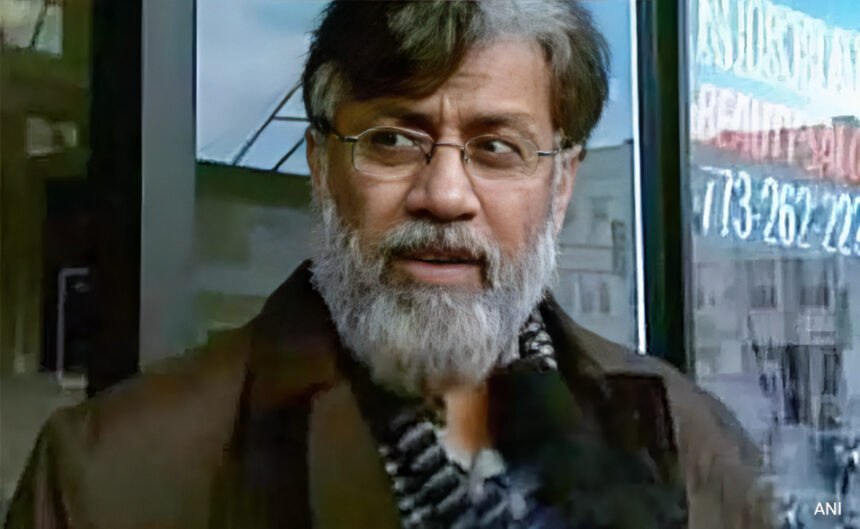
As India prepares to try Tahawwur Rana, recently extradited from the United States, former Maharashtra ATS chief KP Raghuvanshi has strongly advocated that the trial be held in Mumbai, where the 26/11 terror attacks unfolded. Calling it a crucial moment in India’s fight against terrorism, Raghuvanshi emphasized that Tahawwur Rana, alleged to be a key conspirator in the attacks, should face justice in the city where the horrors were executed and lives were lost.
Speaking exclusively to CNN-News18, Raghuvanshi said Tahawwur Rana’s trial must be conducted in Mumbai to ensure jurisdictional legitimacy and symbolic justice. “The crime occurred on Mumbai’s soil; it is only fair that justice be delivered here,” he stated. The former top cop underscored that Mumbai remains deeply scarred by the 2008 attacks and the trial should resonate with the victims’ families and the city’s collective memory.
Legal Pathway and Conditions of Extradition
Raghuvanshi elaborated on the legal process, noting that Tahawwur Rana will be produced before a court following his arrival. He cautioned that any conditions included in the extradition agreement between India and the US will influence the proceedings. Drawing from precedent, he referenced the case of Abu Salem, extradited from Portugal under assurances that he wouldn’t receive the death penalty.
If similar conditions apply in Tahawwur Rana’s case, Indian courts will be bound to honor them while delivering a verdict. “Such diplomatic assurances are standard in extradition cases, especially with countries that have abolished capital punishment,” he added.
Security Measures and Investigative Opportunities
On the matter of Tahawwur Rana’s incarceration, Raghuvanshi said that special arrangements must be made due to the sensitivity of the case. He may be placed in the high-security Anda Cell or kept in isolation to ensure safety and control access.
Raghuvanshi stressed the importance of Tahawwur Rana’s interrogation, suggesting it could reveal new intelligence and possibly uncover more names involved in the planning and execution of the 26/11 attacks. He made a stark comparison between Tahawwur Rana and Ajmal Kasab, stating that while Kasab was merely a pawn, Tahawwur Rana played a strategic role in coordinating and facilitating the attack.
Reflecting on the political landscape during the attacks, Raghuvanshi criticized the lack of strong response and leadership at both the state and central level, calling it a missed opportunity for decisive action.