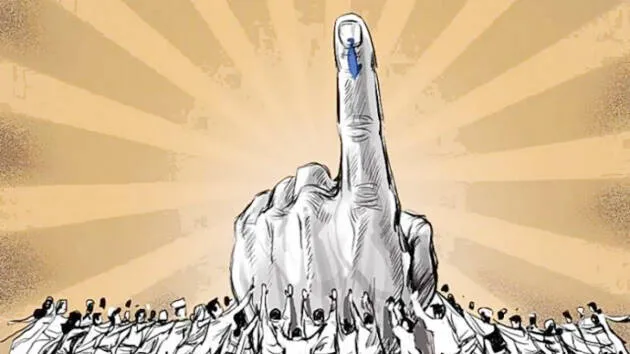
The Election Commission of India is preparing to announce the schedule for the upcoming assembly elections in five states, including Kerala, marking the beginning of a crucial democratic exercise that will shape the political landscape in several regions of the country. According to early indications, polling in Kerala is expected to take place in the third week of April, following the conclusion of major festivals such as Vishu and Easter, while the counting of votes is likely to occur in the first week of May. As the country awaits the official announcement, political parties have already begun intensifying their preparations, mobilising cadres, and planning campaign strategies that could significantly influence voter sentiment across the state.
The anticipated election schedule comes after the Election Commission conducted extensive assessments of poll preparedness across multiple states over the past few days. Officials have reviewed administrative readiness, security arrangements, and logistical planning to ensure the smooth conduct of elections. The upcoming polls are expected to be closely watched, not only because of their regional importance but also because they will reflect broader political trends in India ahead of future national contests.
Kerala, known for its politically aware electorate and high voter turnout, is expected to witness an energetic campaign season. The state has long been characterised by a competitive political environment dominated by major alliances, each seeking to consolidate its support base. With the Election Commission nearing the finalisation of the election calendar, political parties are accelerating their outreach efforts and strengthening grassroots engagement to connect with voters across urban and rural constituencies.
The timing of the election schedule is being carefully aligned with the state’s cultural and social calendar. Festivals such as Vishu and Easter hold deep significance for many residents of Kerala, and scheduling polling after these celebrations ensures maximum participation by voters. This approach reflects the Election Commission’s emphasis on maintaining high turnout while also respecting the cultural context of each region where elections are conducted.
Across India, elections often represent more than just a contest between political parties; they serve as an opportunity for citizens to engage directly with democratic governance. In Kerala, this engagement has historically been reflected in high levels of political participation, public debates, and community discussions around policy issues and development priorities. As the election process begins to take shape, voters are expected to closely examine the performance of existing administrations and the promises made by competing political formations.
While the Election Commission has yet to formally announce the election dates, indications suggest that the process will move quickly once the schedule is declared. Political parties have already been preparing their campaign plans, candidate lists, and messaging strategies to ensure they are ready for the official start of the electoral process. Campaign rallies, public meetings, and media outreach are likely to intensify in the coming weeks as parties attempt to gain an advantage in what is expected to be a highly competitive contest.
Election Commission’s Preparations and Electoral Planning
The Election Commission’s preparations for the upcoming elections involve a detailed review of administrative readiness, security planning, and logistical arrangements across all states where polling will take place. Election officials have spent the past several days assessing the preparedness of district administrations, verifying electoral rolls, and coordinating with security agencies to ensure that the polling process remains free, fair, and transparent.
One of the primary responsibilities of the Election Commission is to ensure that every eligible voter has the opportunity to participate in the democratic process. To achieve this goal, officials have been reviewing voter registration data, updating electoral lists, and establishing polling stations in locations that are accessible to citizens across urban centres and remote areas alike. Special attention is often given to ensuring that elderly voters, persons with disabilities, and residents of remote communities can cast their votes without difficulty.
Security arrangements form another critical aspect of election planning. In coordination with state police forces and central security agencies, the Election Commission works to deploy adequate personnel across polling stations to maintain order and prevent disruptions during voting. Sensitive constituencies or areas with a history of electoral tensions typically receive additional monitoring to ensure that the voting process proceeds smoothly.
The upcoming elections are also expected to benefit from technological innovations that have been introduced in recent years to strengthen electoral transparency. Electronic voting machines and voter-verifiable paper audit trails have become standard features of elections in India, allowing voters to confirm that their votes have been accurately recorded. Election officials continue to conduct demonstrations and awareness campaigns to familiarise voters with these systems, reinforcing public confidence in the electoral process.
Another important aspect of election management involves monitoring campaign activities to ensure compliance with the model code of conduct. Once the election schedule is officially announced, political parties and candidates are required to adhere to specific guidelines governing campaign finance, public messaging, and the use of government resources. These regulations are designed to create a level playing field among competing candidates while maintaining the integrity of the electoral process.
Political Campaigns Gain Momentum Ahead of Poll Announcement
As anticipation builds around the official announcement of the election schedule, political activity across Kerala and other states has already begun to intensify. Political leaders have been increasing their visits to constituencies, engaging with local communities, and highlighting policy achievements or governance promises as part of their campaign strategies.
Prime Minister Narendra Modi has recently accelerated his schedule of public rallies and project announcements in several states that will soon go to the polls. These events often serve a dual purpose: highlighting development initiatives while also strengthening the political presence of the ruling party in key constituencies. Large public gatherings and infrastructure project launches provide opportunities for political leaders to connect with voters and communicate their vision for future development.
Political parties in Kerala are also preparing to showcase their achievements and policy priorities during the campaign period. Issues such as economic development, employment opportunities, infrastructure expansion, healthcare services, and social welfare programs are expected to dominate political discussions in the state. Each alliance is likely to present its own narrative about governance performance and future plans, seeking to persuade voters that their approach offers the best path forward.
Grassroots campaigning will play a crucial role in shaping the outcome of the elections. Kerala’s political culture places significant emphasis on local engagement, with party workers actively participating in door-to-door outreach, neighbourhood meetings, and community discussions. These interactions allow political organisations to directly address voter concerns and build stronger relationships with residents across different constituencies.
The upcoming elections are also expected to witness a growing role for digital communication and social media outreach. Political parties increasingly rely on online platforms to share campaign messages, broadcast speeches, and engage with younger voters who consume political information through digital channels. This shift reflects broader changes in the way political communication takes place in modern democracies, where traditional rallies and media coverage are complemented by digital campaigns.
Another notable aspect of the upcoming elections is the possibility of adjustments in the number of polling phases in certain states. In previous elections, some states required multiple phases of voting to ensure adequate security deployment and logistical coordination. However, indications suggest that the Election Commission may reduce the number of phases in states such as West Bengal and Assam, where earlier elections were conducted in several stages. Reducing the number of polling phases can streamline the election process and reduce the duration of campaign activities.
In the 2021 elections, West Bengal conducted voting in eight phases while Assam held polls in three phases. By contrast, states like Kerala, Tamil Nadu, and the Union Territory of Puducherry traditionally conduct elections in a single phase. This approach simplifies administrative arrangements and allows the results to be declared more quickly once the voting process concludes.
As the Election Commission moves closer to announcing the official election calendar, attention across the country will increasingly focus on the political developments unfolding in Kerala and other states preparing for polls. The announcement will formally trigger the next stage of India’s democratic process, setting the stage for weeks of intense political campaigning, public debate, and voter engagement.