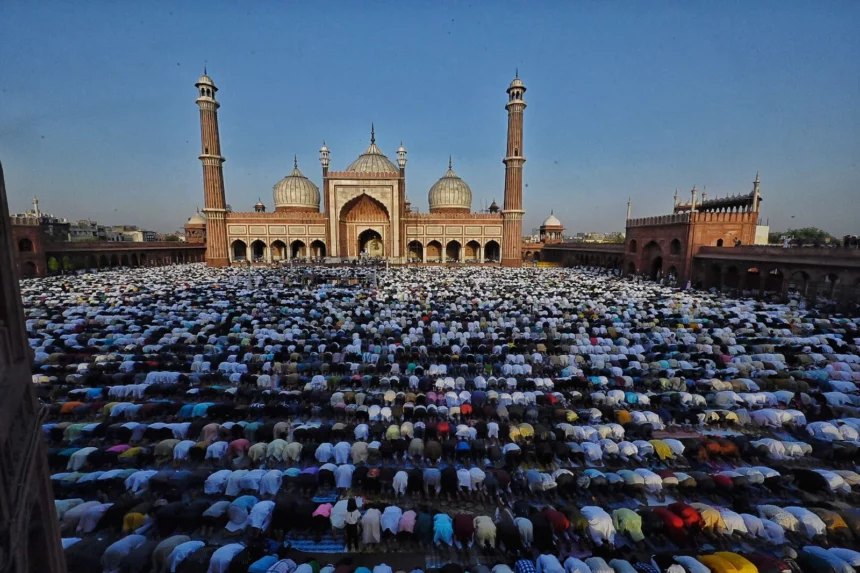
Eid-ul-Fitr 2026 is being celebrated with great enthusiasm and religious devotion across India as millions of Muslims come together to mark the end of the holy month of Ramadan. The festival, which signifies the completion of a month-long period of fasting, prayer, and self-reflection, holds immense spiritual and cultural importance. The day begins with the offering of special Eid prayers known as namaz, followed by celebrations that include family gatherings, charity, and festive meals. Across cities and towns, mosques and Eidgahs witness large congregations of people dressed in traditional attire, exchanging greetings of “Eid Mubarak” and embracing the spirit of unity and gratitude that defines the festival. The observance of Eid-ul-Fitr is deeply rooted in Islamic traditions and reflects values such as compassion, generosity, and social harmony, making it one of the most cherished occasions in the country’s diverse cultural landscape.
City-Wise Namaz Timings Across India
Eid namaz is offered shortly after sunrise, with timings varying slightly across different cities depending on geographical location and local moon sighting announcements. In Delhi, the namaz is expected to be held around 7:30 AM at prominent mosques including Jama Masjid, where thousands gather for prayers. In Mumbai, the prayer is scheduled around 7:15 AM across Eidgahs and major mosques, with large crowds participating in the early morning congregation. In Lucknow, known for its rich cultural traditions, the namaz is expected around 7:45 AM at Aishbagh Eidgah, which hosts one of the largest gatherings in the region. In Hyderabad, the prayer is likely to be offered around 7:00 AM at the historic Mecca Masjid, attracting devotees from across the city. In Kolkata, the namaz is expected around 7:20 AM at the Red Road Eidgah, while in Bengaluru and Chennai, the prayers are likely to be held between 7:10 AM and 7:15 AM at various mosques. These timings are indicative and may vary slightly based on local announcements, and worshippers are advised to reach the prayer venues early to ensure smooth participation in the congregational prayers.
Religious Significance and Rituals of Eid-ul-Fitr
Eid-ul-Fitr holds profound religious significance as it marks the culmination of Ramadan, a sacred month during which Muslims observe fasting from dawn to dusk, engage in prayers, and practice self-discipline. The festival begins with the obligation of giving Zakat al-Fitr, a form of charity that must be distributed to the needy before the Eid prayer. This ensures that everyone, regardless of their financial condition, can partake in the celebrations. The Eid namaz itself is a special prayer performed in congregation, followed by a sermon that emphasizes values such as gratitude, humility, and compassion. After the prayer, people greet each other warmly, symbolizing forgiveness and renewal of relationships. The act of embracing one another and exchanging greetings reflects the spirit of brotherhood and unity that is central to the festival. The day also serves as a reminder of the importance of generosity, as many people extend help to the less fortunate through donations and acts of kindness.
Festive Traditions and Celebrations Across India
The celebrations of Eid-ul-Fitr in India are marked by a blend of religious devotion and cultural vibrancy. Families prepare a variety of traditional dishes, with sheer khurma and sevaiyan being among the most popular delicacies. These dishes are shared with friends, neighbours, and relatives, reinforcing social bonds and the spirit of togetherness. Markets and streets come alive in the days leading up to Eid, with people shopping for new clothes, accessories, and festive items. The atmosphere is filled with excitement as children eagerly await the festival, often receiving gifts or money known as “Eidi” from elders. Homes are cleaned and decorated, and special arrangements are made to welcome guests. In many cities, the celebrations extend beyond individual households, with community events and gatherings adding to the festive spirit. The diversity of India is reflected in the unique ways Eid is celebrated in different regions, yet the underlying message of unity and joy remains the same.
Eid-ul-Fitr is not only a religious festival but also a symbol of social harmony and inclusivity. It brings people from different backgrounds together, fostering mutual respect and understanding. The emphasis on charity and sharing highlights the importance of supporting those in need and building a compassionate society. In a country as diverse as India, festivals like Eid play a crucial role in strengthening communal bonds and promoting a sense of unity. The celebration transcends religious boundaries, with people from various communities participating in the festivities and exchanging greetings. The festival’s message of peace, gratitude, and togetherness resonates across the nation, making it a truly inclusive occasion. As Eid-ul-Fitr 2026 is celebrated across India, it serves as a reminder of the enduring values of faith, generosity, and unity. The festival not only marks the end of Ramadan but also reinforces the importance of compassion and community in everyday life. Through prayers, celebrations, and acts of kindness, Eid continues to inspire hope and positivity, bringing people closer and strengthening the social fabric of the country.