Former Pakistan Cricket Board (PCB) chairman Ehsan Mani has sharply criticized both Shahid Afridi and the International Cricket Council (ICC) for their roles in the current state of Pakistan cricket. Mani, who served as PCB chairman from 2018 to 2021, discussed various issues plaguing Pakistan cricket, from inconsistent performances on the field to leadership struggles within the PCB.
Reflecting on Pakistan’s golden era of cricket in the 1980s and 1990s, when stars like Wasim Akram, Saeed Anwar, Waqar Younis, Shoaib Akhtar, and Javed Miandad ruled the sport, Mani highlighted how the team has lost its dominance in the international arena. Recent performances, including early exits in the 2023 ODI World Cup and 2024 T20 World Cup, as well as a home Test series loss to Bangladesh, demonstrate the decline of Pakistani cricket. While there was a rare victory against England in a home Test series, it was overshadowed by controversy over a last-minute pitch change.
Mani emphasized that Pakistan cricket isn’t lacking in talent but suffers from poor structure and disorganization. He pointed out that the system for first-class cricket, which he had worked to improve by introducing a new format during his tenure, has not been developed into a system suitable for modern-day cricket. According to Mani, the current state of Pakistan cricket reflects the lack of quality and competitive play, rather than a dearth of talent.
One of the most significant problems, according to Mani, has been the frequent changes in leadership. Babar Azam and Shaheen Shah Afridi have both taken on the captaincy in recent years, with the leadership passing back and forth between them. This instability, combined with coaching staff departures, has contributed to the team’s struggles. Mani stressed the importance of consistent leadership and clear policy from the PCB’s top officials to guide the team forward.
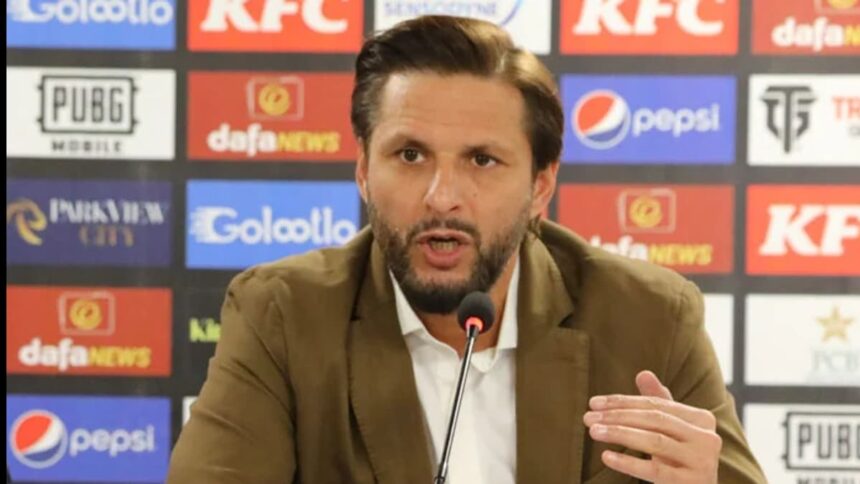
Addressing the ongoing tensions between Shahid Afridi and the PCB, Mani dismissed Afridi’s criticism, stating that former players like Afridi have personal agendas, which should not influence the direction of the board. Afridi had claimed that the current PCB chairman Mohsin Naqvi lacked knowledge of cricket, but Mani disagreed, emphasizing that the focus should be on strong leadership from the chairman, not personal grievances.
Mani also expressed his disappointment with the ICC’s management of the 2025 ICC Men’s Champions Trophy. He criticized the timing of the schedule announcement, which was only revealed two months before the tournament, and called on the ICC to have dealt with the logistical issues earlier. He also dismissed claims that India gained an advantage by playing their matches in Dubai, stating that the ICC had decided to host all of India’s games in a neutral location from the start.
Finally, Mani weighed in on the issue of India’s refusal to tour Pakistan for the upcoming events, such as the 2026 T20 World Cup. He pointed the finger at the Board of Control for Cricket in India (BCCI), accusing them of failing to uphold assurances made during his tenure. He argued that it was up to the BCCI and its chairman, Jay Shah, to ensure that such issues are resolved in the future.
In his detailed analysis, Mani made it clear that the solution to Pakistan’s cricket issues lies in a stable leadership structure, with a clear vision for the future, rather than in knee-jerk reactions to the criticisms of individuals or the mismanagement of international events.