As the Israel-Iran air war stretches into its sixth consecutive day, tensions continue to escalate, drawing sharp international focus. U.S. President Donald Trump has now called for Iran’s “unconditional surrender,” further hardening Washington’s stance. The conflict, triggered by retaliatory missile strikes, has caused dozens of casualties on both sides and is inching closer to wider regional involvement, with Israel declaring dominance over Iranian airspace and targeting critical military and nuclear infrastructure.
Fresh Missile Strikes and Rising Civilian Toll
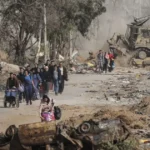
On Wednesday morning, Iran launched two missile barrages targeting Israel, with explosions reported over Tel Aviv. In response, Israel struck multiple Iranian sites, including a Revolutionary Guards-linked university and the Khojir ballistic missile facility near Tehran. Iranian officials reported 224 deaths so far, most of them civilians. Meanwhile, Israel confirmed 24 civilian casualties on its side. Evacuations have been carried out in both countries, and concerns are mounting over strikes on key energy hubs like the South Pars gas field shared by Iran and Qatar.
The Israeli campaign, its largest-ever aerial assault on Iran, aims to halt Tehran’s alleged nuclear weapons development. Israel asserts that its strikes have hit underground enrichment halls at Natanz and vows to escalate further. However, experts suggest that deeply buried sites like Fordow may be beyond Israel’s reach without American assistance.
Donald Trump’s Warnings and U.S. Involvement
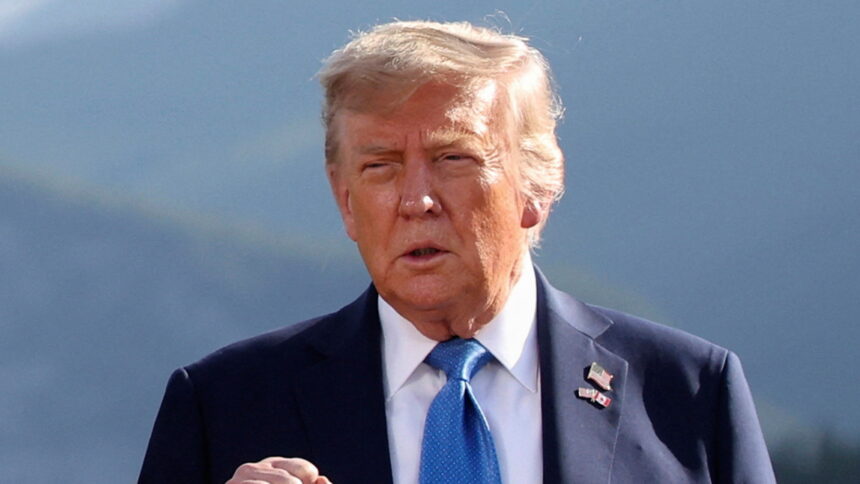
President Donald Trump intensified pressure with a series of social media posts, warning that U.S. patience with Iran is “wearing thin.” While claiming the U.S. has no current plans to target Iran’s Supreme Leader Ayatollah Khamenei, Donald Trump said “we know exactly where he’s hiding.” A follow-up post simply read: “UNCONDITIONAL SURRENDER!”
Despite his tough rhetoric, Donald Trump’s messaging remains inconsistent—ranging from military threats to hints at diplomacy. Behind the scenes, U.S. officials are weighing possible involvement, including supporting Israeli strikes on Iranian nuclear sites. The White House confirmed that Donald Trump spoke to Israeli Prime Minister Benjamin Netanyahu and held a 90-minute National Security Council meeting on the matter.
Reports indicate the U.S. is increasing its regional military presence, with additional fighter aircraft deployments and extended missions. Meanwhile, Iran has moved some of its ballistic missile launchers, though U.S. intelligence is unsure whether they are targeting American assets or Israel.
The situation has also exposed vulnerabilities within Iran’s leadership structure, as Israeli strikes have reportedly eliminated key military advisors around Khamenei, triggering strategic confusion. Iran has also suffered major cyberattacks on its digital infrastructure, allegedly launched by Israel, and has restricted government officials from using mobile devices.