The United Nations has issued a dire warning about the devastating consequences of recent global aid cuts, with UN humanitarian chief Tom Fletcher cautioning that many lives are at risk due to dwindling relief funds. Speaking at a news briefing at the UN headquarters in New York, Fletcher emphasized the severe impact on millions of people worldwide, as crucial humanitarian programs are being halted amid financial shortfalls.
Fletcher, who serves as the UN under-secretary-general for humanitarian affairs and emergency relief coordinator, highlighted the alarming scale of the crisis. “Many will die because that aid is drying up,” he stated, stressing that approximately 300 million people are currently in need of urgent assistance. He pointed out that across the humanitarian sector, essential programs are being discontinued, and aid workers are losing their jobs. According to Fletcher, at least 10 percent of employees in non-governmental aid organizations were laid off in February alone due to budget reductions.
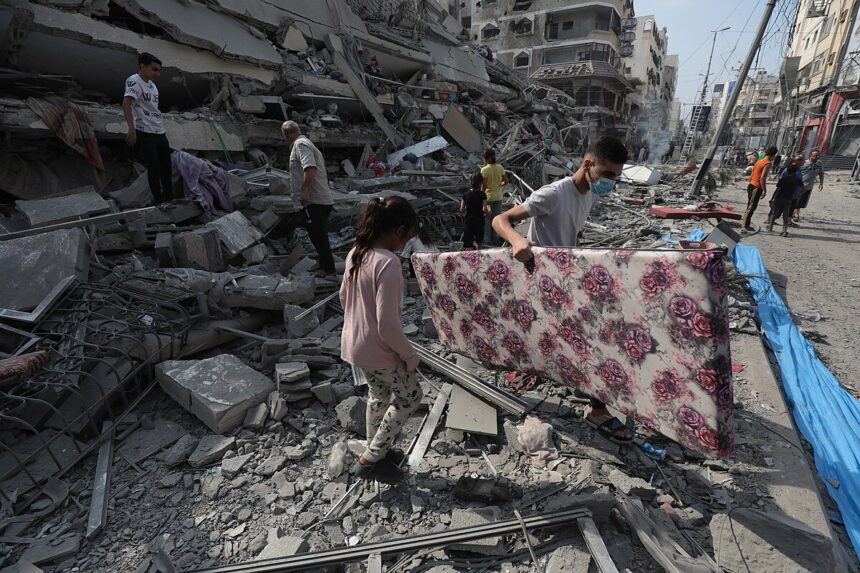
The situation in Gaza has further underscored the gravity of the crisis. Recounting his recent visit to the region, Fletcher described the dire conditions resulting from Israel’s renewed blockade, which has cut off access to essential supplies such as food, medicine, and fuel. “Supplies are clearly running out very, very fast,” he noted, adding that the lack of fuel has already led to critical failures in medical facilities, with incubators being switched off. “This is real already and will quickly become a humanitarian crisis again,” he warned.
Fletcher painted a harrowing picture of the devastation in Gaza, recalling his shock at seeing stray dogs searching through the rubble for the bodies of people trapped beneath collapsed buildings. “I don’t think anything can prepare you for that,” he said, describing the harrowing impact of prolonged conflict and resource deprivation on the region’s population.
His remarks came just days after US Secretary of State Marco Rubio announced that the United States would be slashing 83 percent of its funding for the US Agency for International Development (USAID) programs worldwide. While the US has implemented the most drastic cuts, other donor countries have also significantly reduced their relief budgets. Fletcher noted that he has spent an increasing amount of time lobbying donor governments to sustain funding for humanitarian operations. “It’s not just the American government. I’m spending a lot more of my time than I’d expected in other donor capitals trying to shore up the case for what we do,” he said.
With the ongoing reductions in aid funding, the global humanitarian community faces an unprecedented crisis. Unless immediate action is taken to restore financial support, millions of vulnerable individuals will be left without life-saving assistance, pushing already fragile regions into deeper suffering and instability.