31 March 2021, New Delhi.
The State Finances Audit Report prepared by the Comptroller and Auditor General of India presents a detailed evaluation of the financial position of the Government of the National Capital Territory of Delhi for the year ended 31 March 2021. The report has been prepared based on audited accounts and is intended to be submitted to the Lieutenant Governor for presentation before the Legislative Assembly. It serves as an important analytical document that assesses fiscal management, examines the structure of government accounts, and highlights key financial trends affecting governance and policy decisions.
Report Structure and Analytical Framework
The report is divided into structured chapters that provide a comprehensive overview of the financial system. Chapter 1 outlines the economic profile of Delhi, including its Gross State Domestic Product and macroeconomic indicators. It also explains the basis and approach used for preparing the audit report, ensuring transparency in methodology and data interpretation.
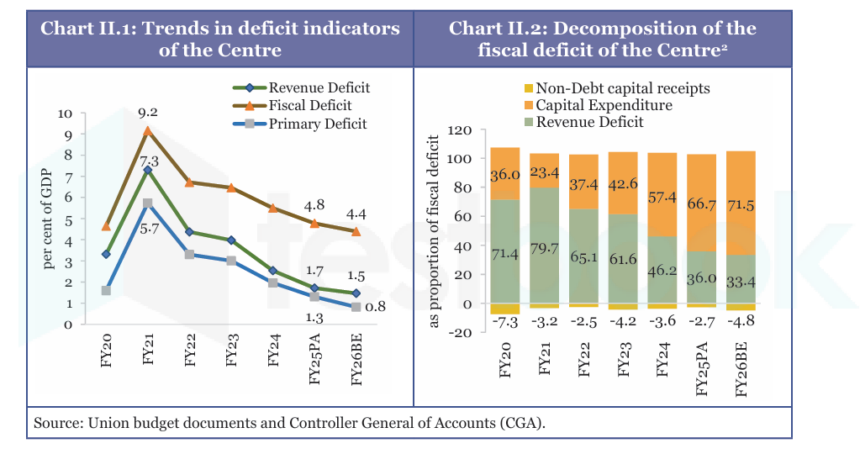
This chapter further provides insights into the structure of government accounts, budgetary processes, and fiscal indicators such as revenue surplus, fiscal deficit, and debt trends. By presenting a snapshot of assets, liabilities, and financial balances, the report establishes a clear understanding of Delhi’s fiscal position.
Chapter 2 focuses on the finances of the National Capital Territory of Delhi, analyzing sources of funds, revenue streams, and expenditure patterns. It highlights how financial resources are mobilized and utilized, offering a detailed picture of the government’s fiscal operations during the year.
Revenue Position and Fiscal Balance
The report indicates that Delhi recorded a revenue surplus of ₹1,450 crore during the financial year 2020-21. This means that the government’s revenue receipts exceeded its revenue expenditure, reflecting a stable position in terms of routine financial obligations. A revenue surplus is generally considered a positive indicator, as it suggests that the government is able to meet its operational expenses without relying heavily on borrowings.
However, the report also highlights a rise in the fiscal deficit, which reached ₹6,708 crore during the same period. The increase in fiscal deficit indicates higher borrowing requirements, mainly due to capital expenditure and other developmental commitments. This growing gap between total expenditure and total receipts raises concerns about long-term fiscal sustainability and the need for prudent financial planning.
Sources of Revenue and Expenditure Trends
The report examines the various sources of revenue for the Delhi government, including tax revenue, non-tax revenue, grants-in-aid from the central government, and capital receipts. It provides a detailed analysis of how these resources contribute to the overall financial structure of the government.
In terms of expenditure, the report analyzes both revenue and capital spending. Revenue expenditure includes routine expenses such as salaries, subsidies, and administrative costs, while capital expenditure is associated with infrastructure development and long-term investments. The report emphasizes the importance of balancing these expenditures to ensure sustainable growth and efficient use of public funds.
Financial Indicators and Asset-Liability Position
A key feature of the report is its analysis of financial indicators and trends over time. It evaluates changes in fiscal aggregates, surplus and deficit patterns, and the overall balance sheet of the government. The assessment of assets and liabilities provides insight into the government’s financial health and its ability to manage obligations effectively.
The report notes that maintaining a healthy balance between assets and liabilities is crucial for ensuring long-term financial stability. Continuous monitoring of these indicators allows policymakers to identify risks and take corrective measures in a timely manner.
Policy Implications and Financial Management
The findings of the audit report have important implications for fiscal policy and governance. The presence of a revenue surplus indicates efficient management of recurring expenditures, while the increase in fiscal deficit highlights the need for careful planning of capital investments and borrowing strategies.
The report suggests that improving resource mobilization, enhancing expenditure efficiency, and maintaining fiscal discipline are essential for sustaining economic growth. It also underscores the importance of transparency and accountability in financial management to strengthen public trust and institutional performance.
Conclusion
The State Finances Audit Report for 2020-21 provides a comprehensive assessment of Delhi’s financial position, offering valuable insights into both strengths and challenges. While the revenue surplus reflects a positive fiscal outcome, the rising fiscal deficit signals the need for balanced and prudent financial strategies.
The report serves as a critical reference for policymakers, administrators, and stakeholders, guiding efforts to improve fiscal governance and ensure sustainable development. By highlighting key trends and areas of concern, it contributes to informed decision-making and better management of public resources.