The Delhi government is preparing to conduct artificial rain trials as part of its broader strategy to combat the city’s severe air pollution crisis. This initiative is contingent upon the results of upcoming water sample tests, which will determine the potential impact of the chemicals used in artificial rain. The move is one of several large-scale pollution control measures that aim to address multiple pollution hotspots across Delhi-NCR, ensuring a long-term and widespread effect.
Delhi’s Environment Minister Manjinder Singh Sirsa, in an interview with PTI, emphasized the government’s commitment to reducing pollution levels. He noted that improvements in air quality have already been observed, and efforts are being accelerated to ensure cleaner air than in previous years. Sirsa stated that a detailed study is underway to assess the feasibility and safety of artificial rain.
“We have requested comprehensive reports to evaluate whether the chemicals used in artificial rain have any harmful effects on human health or skin,” Sirsa said. He explained that based on these reports, the government would first conduct a small-scale trial in an outer Delhi region, followed by a thorough analysis of water samples. If no adverse effects are found, the plan will be expanded to a larger scale.
Acknowledging past shortcomings, Sirsa admitted that the much-publicized smog tower project had failed to yield significant results. He assured that the newly elected BJP government, which took charge in Delhi after 26 years, is working on a fresh approach that will cover multiple areas and have a more tangible impact on pollution levels. The focus will be on directly targeting pollution sources and implementing solutions to eliminate or significantly reduce them.
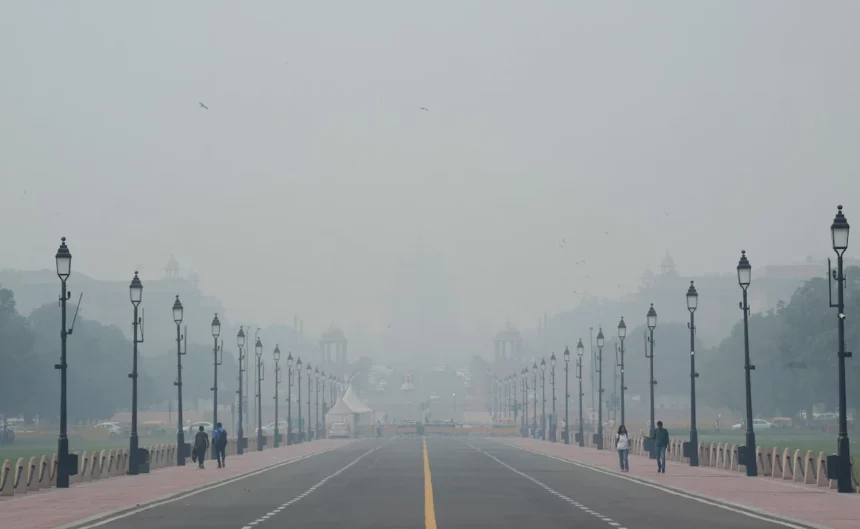
Delhi’s air quality deteriorates drastically during peak winter, with the Air Quality Index (AQI) frequently crossing 450, one of the worst levels in the country. The BJP-led administration has pledged to take decisive steps to tackle pollution, with Sirsa reiterating that the government is dedicated to making Delhi cleaner and more livable in the coming months.
In a separate initiative, Sirsa recently announced that vehicles older than 15 years will be banned from refueling at petrol pumps in the capital starting March 31. To enforce this measure, new technology will be introduced at fuel stations to monitor emissions and ensure compliance with Pollution Under Control (PUC) certification requirements. Vehicles failing to meet the standards will be flagged for further action.
Additionally, all high-rise buildings, commercial complexes, hotels, airports, and major construction sites will be mandated to install anti-smog guns to help curb pollution. The Municipal Corporation of Delhi (MCD) has been directed to compile a detailed report identifying the number of structures that fall under this mandate.
Sirsa emphasized that strict enforcement will be a priority, ensuring that all major contributors to pollution are held accountable and take an active role in improving Delhi’s air quality. With these measures, the government hopes to bring about a significant and lasting reduction in the city’s pollution levels.