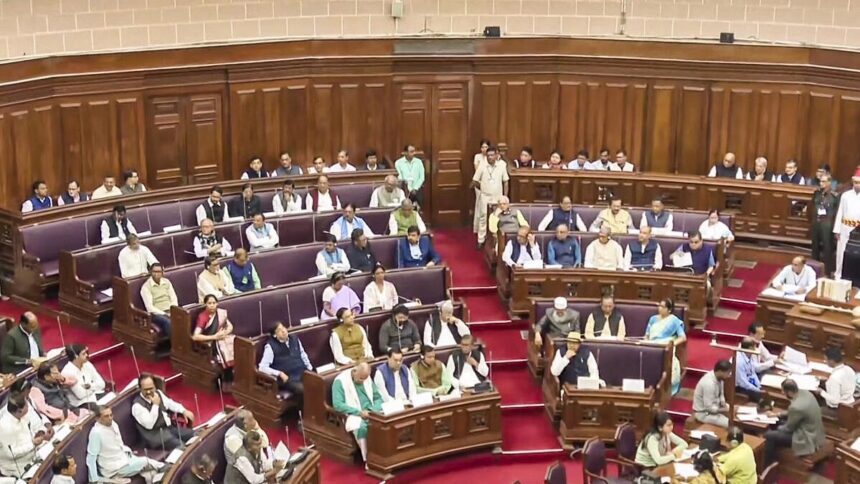
The West Bengal Legislative Assembly on Wednesday passed the West Bengal Finance Bill, 2025, paving the way for women to be employed in bars. The bill, introduced by Minister of State Chandrima Bhattacharya, seeks to amend the Bengal Excise Act, 1909, to eliminate the restriction on women working in ON-category liquor establishments. According to the government, the existing prohibition was discriminatory, and its removal aligns with the principles of gender equality.
ON-category liquor shops, commonly known as bars, allow alcohol consumption on the premises, unlike OFF-category outlets, which are solely for the sale of liquor. The move is expected to create more employment opportunities for women in the hospitality and service industry, ensuring their right to equal participation in the workforce.
During the discussion on the bill, Bhattacharya emphasized that the West Bengal government believes in eliminating gender-based discrimination. She stated that allowing women to work in bars is a step towards gender parity and equal opportunity. She reiterated that the bill does not introduce any financial implications but aims to correct an outdated law that restricted women’s employment opportunities.
Apart from this key amendment, the bill includes provisions to strengthen the state’s monitoring of raw materials used in the production of liquor. The government will now have greater control over the supply of essential ingredients such as jaggery, a key component in the brewing process. This step is aimed at curbing the illegal production and distribution of alcohol, which has been a concern in various parts of the state.
Additionally, the bill proposes amendments to the Bengal Agricultural Income-tax Act, 1944, to provide tax relief to the tea industry. Small and medium-sized tea gardens, which have been struggling since the pandemic, will benefit from the revised tax provisions. The government hopes that these measures will offer much-needed financial respite to the tea sector, which plays a crucial role in West Bengal’s economy.
The decision to allow women to work in bars has sparked discussions in political and social circles. While proponents argue that it is a progressive step towards gender equality, some critics have expressed concerns over the working conditions in bars and the need for stringent safety measures. However, the government maintains that the move is a necessary correction to outdated regulations and is in line with the broader goal of ensuring equal rights for women in all spheres of employment.
With the passing of the bill, West Bengal joins several other states that have already done away with such employment restrictions. The move is expected to positively impact the hospitality industry by widening the pool of eligible employees and fostering a more inclusive work environment.