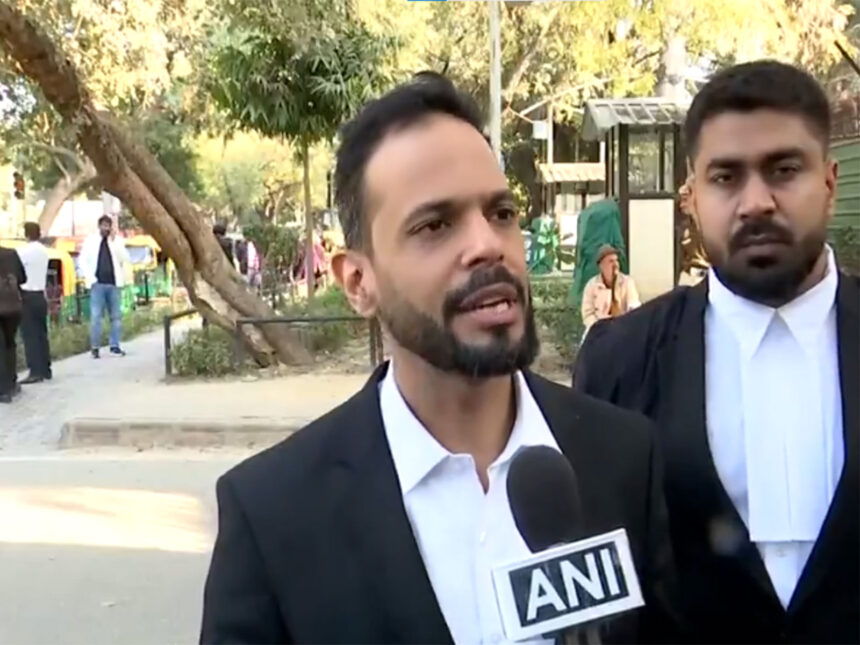
The Delhi High Court is set to hear a petition seeking a reduction in goods and services tax on air purifiers, raising important questions about public health, taxation policy, and environmental realities in India’s capital.
The petition, filed by advocate Kapil Madan, comes at a time when air pollution continues to pose serious health risks in Delhi and surrounding regions. With air quality frequently falling into severe and hazardous categories, the case places focus on whether air purifiers should continue to be treated as consumer appliances or be reclassified as essential health-related devices. The matter is scheduled for hearing on December 26, when the court will consider arguments on affordability, access, and the role of taxation in protecting citizens’ health.
Plea before the Delhi high court highlights health impact of air pollution
The plea has been listed before the Delhi High Court, where petitioner Kapil Madan has urged the court to examine the current 18 percent GST levied on air purifiers. According to the petition, the prevailing tax rate makes air purifiers unaffordable for a large section of the population, especially vulnerable groups such as children, the elderly, and individuals suffering from respiratory ailments.
The petitioner has argued that air purifiers are no longer luxury or comfort items in cities like Delhi, but have become a necessity due to persistently poor air quality. Episodes of extreme pollution, particularly during winter months, have led to school closures, work-from-home advisories, and public health warnings. In this context, the petition claims that high taxation on air purifiers undermines the right to health by limiting access to devices that help reduce indoor air pollution.
The plea further points out that while other health-related equipment and protective devices attract lower GST rates, air purifiers continue to be taxed at a comparatively high slab. This, it is argued, creates an inconsistency in tax policy that does not reflect present-day environmental and health realities. The petitioner has requested that air purifiers be considered for a reduced GST rate, preferably in the five percent category, to improve affordability and encourage wider use.
The court, while listing the matter for hearing, is expected to examine whether it can issue directions or recommendations to the executive authorities on reconsidering the tax classification. The case also raises broader constitutional questions about the role of courts in matters involving taxation and policy decisions, particularly when public health concerns are involved.
Government response and gst council’s role in tax decisions
During earlier proceedings, the Union government indicated that decisions related to GST rates fall within the exclusive domain of the GST Council, a constitutional body comprising representatives from the Centre and states. The government has maintained that courts cannot directly mandate changes in tax rates, as such actions require deliberation and consensus within the council.
The Centre has also expressed concern that granting relief in this case could set a precedent for similar demands across various product categories. According to the government’s submissions, judicial intervention in tax matters could disrupt the structured decision-making process established under the GST framework. It has cautioned that any direction to reduce GST on air purifiers may open the door to multiple petitions seeking tax concessions for other goods on social or economic grounds.
At the same time, the court has shown interest in understanding whether the issue has been placed before the GST Council for consideration, particularly in light of Delhi’s recurring air quality emergencies. The judges have sought clarity on whether the council has discussed the classification of air purifiers in the context of public health and whether any proposal for rationalisation of tax rates is under active consideration.
The case also draws attention to the intersection of environmental governance and fiscal policy. While air pollution is primarily addressed through regulatory and administrative measures, the petition highlights how taxation can play a significant role in shaping consumer behaviour and access to protective technology. Reduced GST, the petitioner argues, could encourage wider adoption of air purifiers, thereby mitigating health risks associated with indoor air pollution.
As the hearing approaches, the matter continues to generate debate on how governments should respond to evolving public health challenges within existing legal and economic frameworks. The outcome of the hearing is likely to influence not only tax policy discussions but also the broader conversation on environmental justice and citizens’ access to health-protective measures in highly polluted urban environments.
Petition argues air purifiers are essential for public health