New Delhi, January 4, 2026:
In a major public health decision aimed at eliminating human deaths caused by rabies, the Delhi Government has decided to declare Human Rabies a notifiable disease under the Epidemic Diseases Act. The proposed notification, expected to be issued shortly, is intended to strengthen disease surveillance, ensure early reporting of cases and enable swift public health action across the National Capital Territory of Delhi.
The decision has been taken under the leadership of Chief Minister Rekha Gupta as part of a broader strategy to achieve zero human deaths from dog-mediated rabies in the capital. Once notified, it will be mandatory for all government and private health facilities, including medical colleges, hospitals and individual medical practitioners, to report suspected, probable and confirmed cases of human rabies to the designated health authorities.
Rabies Notification to Strengthen Surveillance and Early Reporting
Declaring human rabies a notifiable disease will significantly improve the city’s ability to monitor cases in real time. Mandatory reporting will help authorities track disease trends, identify high-risk areas and initiate timely public health interventions. Health officials believe that early detection and reporting are critical to preventing fatalities, as rabies is almost 100 percent fatal once clinical symptoms appear but is completely preventable through timely medical treatment.
The notification will create a structured reporting mechanism, ensuring that no case goes undocumented and that appropriate preventive and treatment measures are taken without delay. The move is also expected to improve coordination between human health services and animal health departments, which is crucial for controlling dog-mediated rabies.
Availability of Anti-Rabies Treatment Across Delhi
To support effective prevention and treatment, the Delhi Government has already established a wide network of anti-rabies treatment facilities across the city. At present, anti-rabies vaccine (ARV) is being provided at 59 health facilities spread across all 11 districts of Delhi. In addition, anti-rabies serum, also known as Rabies Immunoglobulin (RIG), is available at 33 designated health facilities and hospitals.
These facilities form the backbone of Delhi’s rabies prevention and treatment infrastructure and are critical in ensuring that people exposed to animal bites receive timely and complete post-exposure prophylaxis. The government has reiterated its commitment to further strengthening these facilities to ensure universal access to life-saving treatment.
State Action Plan for Rabies Elimination Under Preparation
Alongside the notification, the Delhi Government is in the final stages of preparing the State Action Plan for Rabies Elimination (SAPRE). The plan is being developed in coordination with local bodies, the Animal Husbandry Department and other key stakeholders. SAPRE will focus on an integrated approach involving human health, animal health and municipal authorities to effectively control and eventually eliminate rabies.
The government has emphasized that declaring human rabies a notifiable disease is a crucial pillar of this strategy. The action plan also includes steps to strengthen vaccination coverage for dogs and other animals, improve animal birth control measures and enhance public awareness about rabies prevention and responsible pet ownership.
Focus on Zero Human Deaths from Rabies
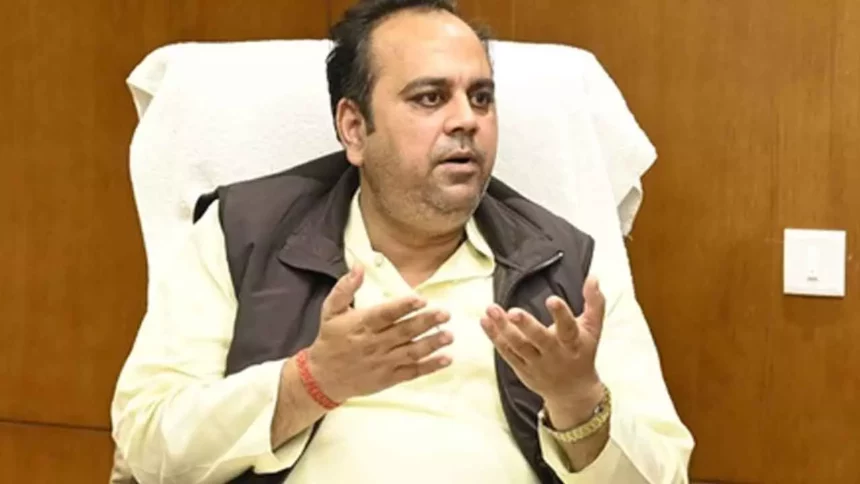
Health Minister Pankaj Kumar Singh stated that no death due to rabies is acceptable, especially when the disease is entirely preventable with timely intervention. He said that mandatory notification will play a vital role in improving early detection, treatment and prevention efforts across the city.
“Rabies is a preventable disease, and no death due to rabies is acceptable. Declaring human rabies as a notifiable disease will strengthen surveillance, improve early detection and ensure timely treatment. This is an important step toward our goal of zero human deaths from rabies in Delhi,” the Health Minister said.
According to health officials, improved data collection and reporting will enable authorities to deploy targeted interventions in areas reporting higher incidences of animal bites or suspected rabies cases. This evidence-based approach is expected to significantly reduce the risk of fatalities.
Immediate Implementation and Reporting Guidelines
The proposed notification will come into force immediately after issuance and will remain applicable until further orders. Detailed guidelines outlining reporting procedures, timelines and coordination mechanisms will be shared with all concerned departments, health institutions and medical practitioners to ensure uniform implementation.
Officials said that strict compliance with the notification will be monitored, and efforts will be made to sensitise healthcare providers about the importance of early reporting and prompt treatment. Public awareness campaigns are also likely to be intensified to encourage people to seek immediate medical attention in case of animal bites.
A Key Public Health Milestone for Delhi
The decision to declare human rabies a notifiable disease is being seen as a major milestone in Delhi’s public health policy. By prioritising surveillance, accountability and coordinated action, the government aims to significantly reduce the burden of rabies and protect vulnerable populations, especially children, who are most at risk of dog bites.
With strengthened reporting mechanisms, expanded treatment facilities and a comprehensive action plan under implementation, the Delhi Government has reaffirmed its commitment to safeguarding public health and achieving the long-term goal of eliminating human deaths due to rabies in the national capital.