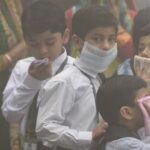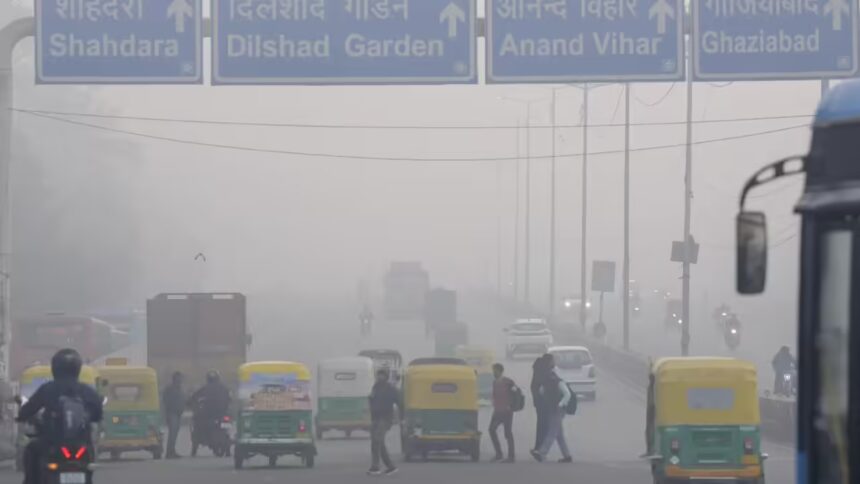
The Delhi government has announced the suspension of physical classes for students from nursery to Class V with immediate effect, citing persistently severe air pollution and dangerously high Air Quality Index levels across the national capital, a move aimed at protecting young children from the adverse health impacts of toxic air while ensuring continuity of education through online learning.
The decision was communicated through an official press release issued by the office of the Education Minister of the National Capital Territory of Delhi on December 15, 2025. The announcement comes amid sustained poor air quality conditions that have raised serious public health concerns, particularly for children, who are among the most vulnerable to the harmful effects of air pollution. The government has clarified that the suspension of in-person classes will remain in force until further orders, depending on the evolving pollution situation.
According to the directions issued by the Directorate of Education, all government, government-aided and recognised private unaided schools in Delhi are required to conduct classes for nursery to Class V exclusively in online mode during this period. The move reflects the administration’s precautionary approach as pollution levels continue to remain in the severe category, posing risks such as respiratory distress, eye irritation and long-term health complications, especially among younger children.
Decision Driven by Public Health Concerns Amid Persistently High AQI
Education Minister Ashish Sood emphasised that the health and well-being of children remain the government’s highest priority. He stated that the decision to suspend physical classes for students up to Class V was taken after careful consideration of the prevailing air quality situation in Delhi, where AQI levels have consistently hovered in ranges considered hazardous to human health. He noted that young children are particularly susceptible to air pollution due to their developing lungs and immune systems, making it imperative to minimise their exposure to polluted outdoor environments.
The minister described the move as a necessary preventive measure aimed at shielding children from the immediate and long-term effects of air pollution. He said that while education is of utmost importance, it cannot come at the cost of children’s health. Shifting younger students to online classes, he explained, allows learning to continue without exposing them to unsafe environmental conditions.
Officials said that the situation is being closely monitored on a daily basis in coordination with environmental and health authorities. Any further decisions regarding the resumption of physical classes will be taken based on improvements in air quality and in the best interests of students. The government has indicated that it remains prepared to extend or modify the current measures should pollution levels continue to pose a serious threat.
The press release also underlined that the decision was taken keeping in mind scientific assessments and health advisories, which consistently warn against prolonged outdoor exposure during periods of severe air pollution. By acting promptly, the Delhi government aims to reduce health risks while maintaining academic continuity for young learners through digital platforms.
Implementation Guidelines for Schools and Continuity of Education
As per the Directorate of Education’s instructions, all schools across Delhi must strictly comply with the directive to suspend in-person classes for nursery to Class V and ensure that teaching for these classes is conducted only through online modes. School heads have been directed to immediately inform parents and guardians about the revised arrangements so that there is no confusion or disruption in the learning process.
The Education Minister stated that school administrations are responsible for ensuring smooth implementation of online classes, including maintaining regular schedules, providing study material digitally and addressing any academic concerns raised by parents or students. He also stressed the importance of sensitivity and flexibility while dealing with young children, many of whom may require additional support to adapt to online learning environments.
To ensure effective enforcement, Deputy Directors of Education at the zonal and district levels have been instructed to monitor compliance closely. They have been tasked with overseeing the transition to online classes and ensuring that all schools adhere to the guidelines without exception. Any lapses in implementation, officials said, would be taken seriously.
The government clarified that the current decision applies only to students from nursery to Class V. Classes above Class V will continue to operate in accordance with the existing instructions issued on December 13, 2025. This distinction has been made on the basis of age-related vulnerability, with younger children considered at higher risk from air pollution exposure compared to older students.
Ashish Sood reiterated that the Delhi government remains committed to balancing the dual objectives of safeguarding students’ health and ensuring uninterrupted education. He said that alternative learning mechanisms are being utilised precisely to prevent academic loss while prioritising safety. The administration, he added, will continue to review the situation and take further steps as required, keeping students’ welfare at the centre of all decisions.
The move marks yet another instance of the Delhi government resorting to emergency educational measures in response to environmental challenges, underscoring how air pollution has become a recurring factor influencing public policy decisions in the national capital.