New Delhi, December 24, 2025:
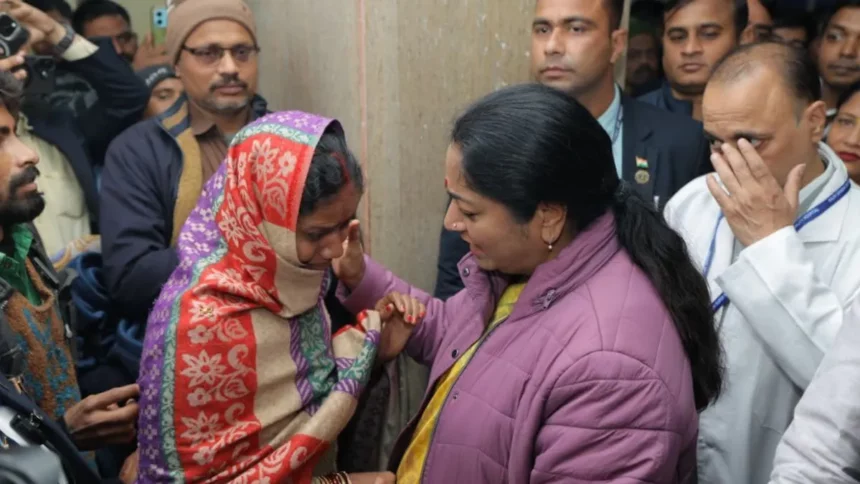
Delhi Chief Minister Rekha Gupta on Tuesday visited Rajiv Gandhi Super Speciality Hospital in Dilshad Garden to review healthcare services and assess the functioning of various departments. During the inspection, the Chief Minister evaluated medical arrangements, patient facilities, and administrative systems, while also interacting with patients, doctors, nursing staff, and other healthcare personnel.
The visit was aimed at ensuring the effective delivery of healthcare services and identifying areas requiring improvement. The Chief Minister reviewed the availability of medicines, cleanliness of hospital premises, functioning of medical equipment, and overall patient convenience. She issued clear directions to hospital authorities and concerned officials to ensure timely treatment, uninterrupted supply of medicines, and smooth coordination across departments.
Emphasising patient dignity and humane treatment, Rekha Gupta directed healthcare personnel to maintain sensitive, courteous, and respectful behaviour at all levels. She stated that the Delhi Government remains firmly committed to providing quality, accessible, and compassionate healthcare services to every resident of the national capital. According to the Chief Minister, healthcare must not be limited to clinical treatment alone, but should also foster a sense of safety, trust, and care among patients.
During the visit, the Chief Minister interacted specifically with women patients to understand their experiences and seek feedback on treatment and services being provided. She instructed doctors and hospital staff to ensure that women patients are treated with sensitivity and dignity at every stage of care. She further emphasised that senior citizens and women must be given special attention, priority, and additional assistance so that they do not face inconvenience during registration, diagnosis, treatment, or recovery.
Reiterating the need for patient-friendly systems, Rekha Gupta directed officials to strengthen facilitative mechanisms from the initial registration process to diagnostics, treatment, and the availability of medicines. She also instructed that wards and intensive care units should have adequate support arrangements for elderly patients and women, ensuring ease of movement, accessibility, and comfort throughout their hospital stay.
The Chief Minister reviewed the overall hospital environment and directed authorities to further improve cleanliness standards and ensure that medical equipment remains fully functional at all times. She stressed that regular monitoring and accountability are essential to maintain service quality and to address patient grievances promptly. She reiterated that strengthening public healthcare infrastructure remains one of the top priorities of the Delhi Government.
Following the hospital inspection, the Chief Minister participated in a special programme organised by Maa Shakti Sanstha for Divyangjan. The event was held to commemorate the 101st birth anniversary of former Prime Minister Atal Bihari Vajpayee. On the occasion, Rekha Gupta presented the Divya Atal Awards to Divyangjan in recognition of their resilience, determination, and achievements in various fields.
As part of the programme, assistive devices were distributed to approximately 133 Divyangjan beneficiaries with the objective of promoting self-reliance and independent living. The distributed aids are expected to help beneficiaries carry out daily activities independently and participate more actively in social and economic life.
Addressing the gathering, the Chief Minister highlighted the importance of empowering Divyangjan and ensuring their inclusion in mainstream society. She appreciated the role of social organisations and volunteers in supporting government initiatives and working towards the welfare of marginalised sections. She stated that building a sensitive, inclusive, and empowered Delhi requires collective efforts from both the government and civil society.
The Chief Minister reaffirmed the Delhi Government’s commitment to strengthening healthcare services and social welfare programmes, stating that continuous engagement, monitoring, and cooperation are key to delivering effective public services. She concluded by emphasising that dignity, compassion, and accessibility must remain central to all government efforts in healthcare and social development.