The British government has announced that creating and sharing sexually explicit “deepfakes” will soon become a criminal offence under new laws aimed at tackling the rising misuse of artificial intelligence for image-based abuse. This legislative move comes in response to a surge in the creation and distribution of deepfake content, which predominantly targets women and girls, violating their privacy and dignity.
Deepfakes are AI-generated videos, images, or audio clips manipulated to appear real, often used to alter pornographic material to feature another person’s likeness without their consent. The misuse of such technology has created significant concerns, with existing laws unable to address the nuances of deepfake-related abuse.
Currently, Britain’s legal framework criminalises publishing intimate photos or videos without consent and with the intent to cause distress under the 2015 law addressing “revenge porn.” However, this legislation does not cover fake or manipulated images, creating a loophole for perpetrators to exploit. Recent data from the UK-based Revenge Porn Helpline highlights the severity of the issue, showing a staggering 400% rise in image-based abuse involving deepfakes since 2017.
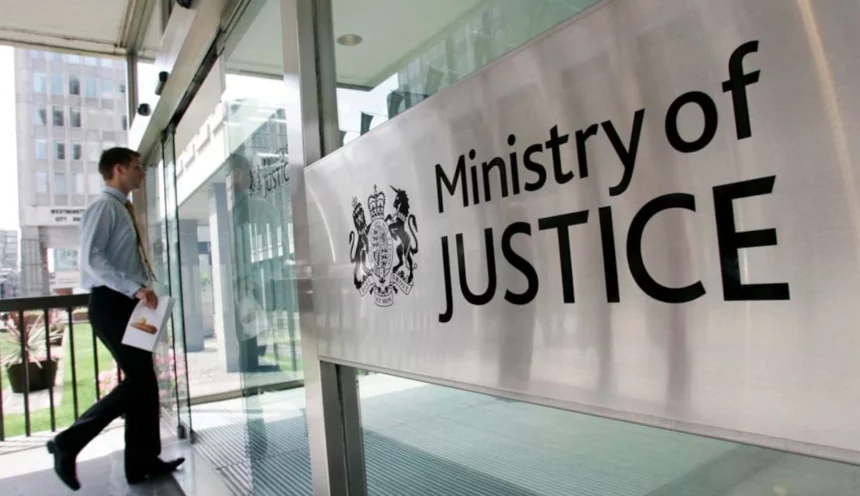
The justice ministry, in its statement, emphasized that the new offence will hold individuals accountable for both creating and sharing such content. Once enacted, offenders could face prosecution and severe penalties, reflecting the government’s commitment to combating this growing menace.
The government has also announced its intention to introduce additional offences targeting the taking of intimate images without consent and installing equipment for such purposes. Perpetrators convicted under these laws could face up to two years of imprisonment. These measures aim to address the broader spectrum of intimate-image abuse and ensure stricter accountability.
The previous Conservative government had outlined similar plans to criminalise sexually explicit deepfakes, proposing penalties that included fines and imprisonment. The current Labour government has reaffirmed its commitment to these reforms, with further details of the new offences set to be revealed in due course.
Campaigners and government officials alike have underscored the urgency of these measures. Justice Minister Alex Davies-Jones condemned the practice as a “demeaning and disgusting form of chauvinism” and pledged to prevent its normalisation. Technology Minister Margaret Jones stressed the importance of holding tech platforms accountable, announcing plans for stricter scrutiny and significant penalties for those hosting abusive content.
Prominent campaigners have also raised alarms over the long-term psychological and social impact of intimate-image abuse. Jess Davies, a leading advocate, described the issue as a “national emergency,” emphasizing the devastating consequences for victims who lose control over their digital identities due to online misogyny.
In addition to criminalising deepfake-related offences, the government is working to introduce broader reforms under its Crime and Policing Bill. The bill, which is expected to be introduced in parliament soon, aims to address intimate-image abuse comprehensively, ensuring that victims are protected and offenders face justice.
The use of artificial intelligence in creating deepfakes has posed unique challenges for lawmakers globally. The British government’s latest initiative reflects an evolving understanding of the dangers posed by these technologies and a determination to tackle them head-on.
As the country prepares to implement these new laws, attention will be on how effectively the justice system can address the proliferation of deepfakes and provide relief to victims. The move signals a significant step forward in protecting individuals from the harmful misuse of technology, ensuring that those who exploit it face the full force of the law.